Glove Affair
1941
No user ratings available yet
Diversity score: 2.6 out of 10
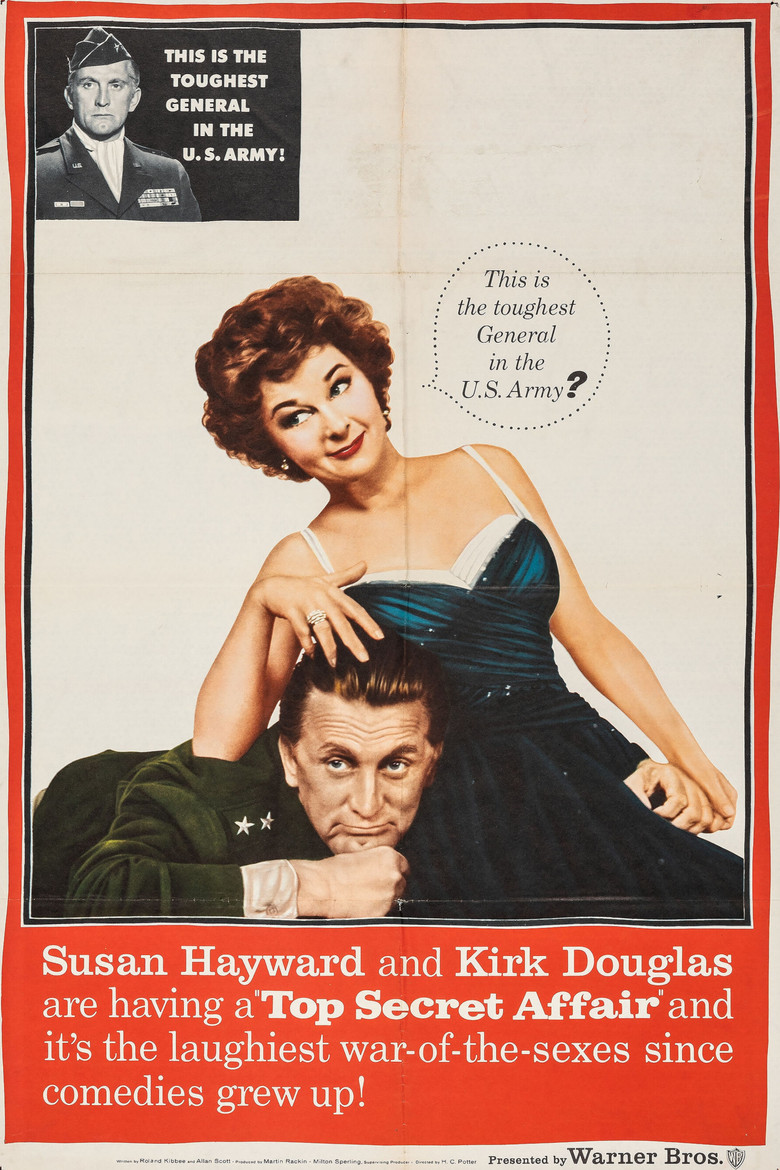
1957
NRDirector
H. C. Potter
Runtime
100 minutes
Average Rating
No ratings yetSynopsis
A publisher uses her magazine and charm to derail a general on the Washington fast track.
Overall Score
Minimal
Category Breakdown
LGBTQ+ Representation
The film lacks any evidence of non-heteronormative identities. The premise focuses on a traditional social tension between a female publisher and a military general.
Gender Representation
The female lead acts as a primary agent of change rather than a passive subject. She uses her professional platform and intellect to disrupt male authority.
Racial & Ethnic Diversity
There is no indication of a diverse cast within the narrative. The film appears to follow the homogeneous casting patterns typical of 1957 studio productions.
Religious & Cultural Diversity
The story operates within traditional Western institutional frameworks like the military and publishing. It focuses on navigating existing social and professional hierarchies.
Disability Representation
No characters with visible or invisible disabilities are identified in the narrative context.
Strengths
Areas for Improvement
AI Analysis
Top Secret Affair is a mid-century comedy that centers on social maneuvering and professional influence. While it lacks intersectional depth, it offers a slight subversion of gender roles by placing a woman in a position of power over a high-ranking male official. The film remains firmly rooted in the traditional structures of its era. It focuses on mastery of established institutions rather than challenging them, resulting in a narrative that feels culturally homogeneous. Ultimately, the film's progressive edge is limited to the agency of its female protagonist, while other forms of representation are entirely absent.
1941

1938

1953

1943
1944

1951
1951
1951

1950
1942
1942
1951
No reviews yet. Be the first to share your thoughts on this movie!
Use the rating form above to leave a star rating and optional review.