
Parsifal
1982
No user ratings available yet
Representation score: 3.5 out of 10
Representation Score
Excellent
1997
AODirector
Matthew Barney
Runtime
55 minutes
Average Rating
No ratings yetNew Showbiz Analysis
Matthew Barney’s work functions as a sculptural opera that prioritizes biological metaphor over traditional narrative. It excels at challenging rigid social and biological binaries through intellectual exploration. However, the film remains deeply rooted in a Eurocentric, art-house tradition. Its focus on nineteenth-century Budapest and sculptural forms limits its engagement with racial and ethnic diversity. Ultimately, the film is a postmodern exploration of metamorphosis. It succeeds in disrupting systemic norms through abstraction, even while lacking traditional demographic representation.
Category Breakdown
The film explores LGBTQ themes by questioning biological determinism. It portrays sexual differentiation as a loss rather than a natural progression, challenging traditional views on gender and sexuality.
Gender is examined through biological and sculptural metaphors, avoiding traditional social roles. The Queen of Chain character avoids typical feminine stereotypes, subverting conventional gender binaries.
The film's aesthetic is highly Eurocentric, set in nineteenth-century Budapest. It emphasizes sculptural forms over diverse ethnic identities or non-white perspectives.
The film centers around a Hungarian opera and abstract symbolism, avoiding singular Western or Christian moralities. It prioritizes subjective morality and critiques the natural order through abstraction.
The film treats the body as a site of transformation rather than lived experience. It lacks characters with visible or invisible disabilities who have significant control over their lives.
Present on Screen
Limited or Absent
Official Synopsis
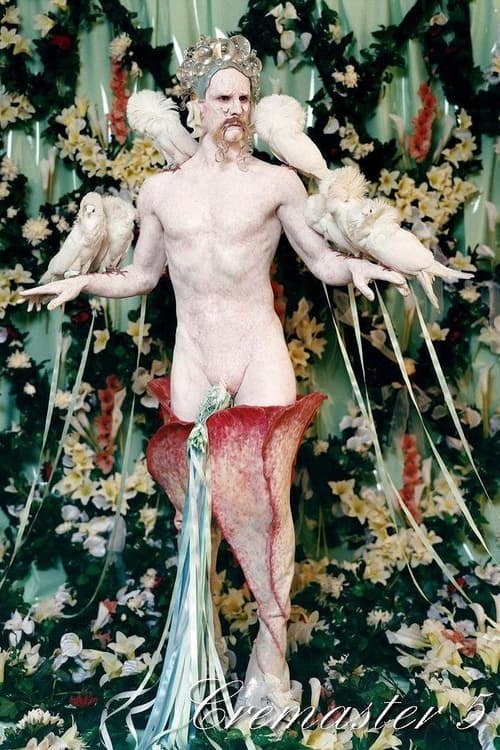
CREMASTER 5 is a five-act opera (sung in Hungarian) set in late-ninteenth century Budapest. The last film in the series, it represents the moment when the testicles are finally released and sexual differentiation is fully attained. The lamenting tone of the opera suggests that Barney invisions this as a moment of tragedy and loss. The primary character is the Queen of Chain (played by Ursula Andress). Barney, himself, plays three characters who appear in the mind of the Queen: her Diva, Magician, and Giant. The Magician is a stand-in for Harry Houdini, who was born in Budapest in 1874 and appears as a recurring character in the Cremaster cycle.
1982
1973
2014
1994
1985

1969
2002
2024
No reviews yet. Be the first to share your thoughts on this movie!
Use the rating form above to leave a star rating and optional review.