Blood Wedding
1981
No user ratings available yet
Representation score: 3.7 out of 10
Representation Score
Fair
2002
PG-13Director
Carlos Saura
Runtime
85 minutes
Average Rating
No ratings yetNew Showbiz Analysis
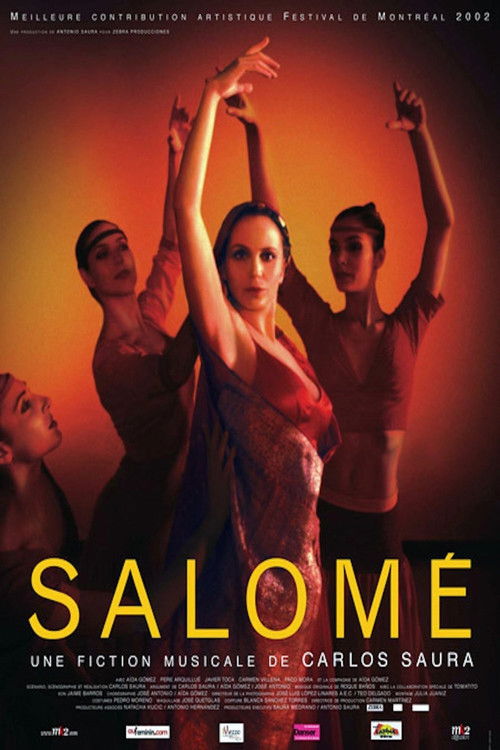
Salomé is a sophisticated film that replaces a linear plot with rhythmic, psychological exploration. Its strongest point is the way it reinterprets classical myths through a female-centric lens, challenging traditional gender roles. By using flamenco as a medium for cultural depth, the film elevates regional traditions into high art. However, it remains somewhat limited in addressing modern identity politics, such as LGBTQ+ representation or multi-layered racial dynamics.
Category Breakdown
The film focuses on aesthetic expression rather than explicit LGBTQ+ identities. While there are no overtly non-straight relationships, the ritualistic desire and fluid movements allow for interpretations that go beyond traditional structures.
Saura challenges conventional gender roles by emphasizing the female gaze and empowering female performers. The dancers reclaim control through their physical abilities, shifting the narrative away from passive or seductive stereotypes.
The production highlights Spanish cultural identity through the lens of Flamenco. It elevates regional artistry to a high-art status, offering a nuanced portrayal of heritage without relying on stereotypical caricatures.
The film uses biblical imagery as a secular backdrop, focusing on the ritual of dance rather than religious instruction. It does not directly critique Western institutions.
There are no prominent depictions of visible or invisible disabilities. The narrative focus remains solely on the physical peak of professional dancers.
Present on Screen
Limited or Absent
Official Synopsis
Salomé's story interpreted by a director and a troupe of flamenco dancers.
1981

1998
2011

1992
1985
2005
1962

2016
No reviews yet. Be the first to share your thoughts on this movie!
Use the rating form above to leave a star rating and optional review.