
Kamen Rider Amazons The Movie: The Final Judgment
2018
No user ratings available yet
Representation score: 7.2 out of 10
Representation Score
Limited
2007
Director
Ryuta Tasaki
Runtime
103 minutes
Average Rating
No ratings yetNew Showbiz Analysis
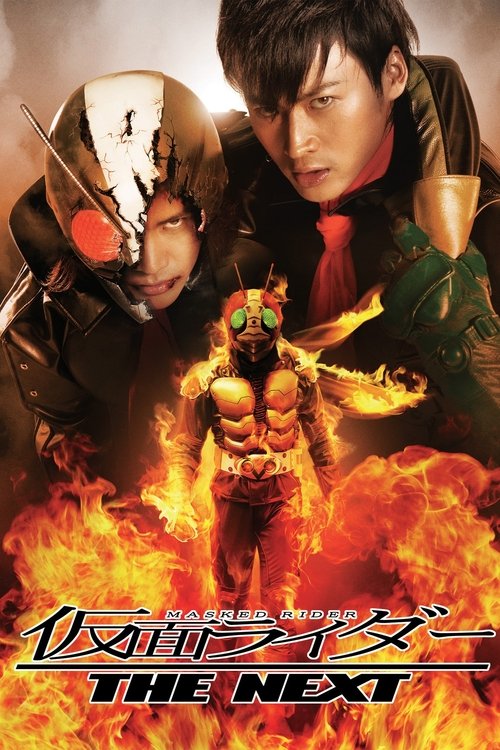
Kamen Rider: THE NEXT is a stylistic reimagining that prioritizes historical legacy and genre conventions over progressive narrative innovation. It leans heavily into traditional Tokusatsu clichés, focusing on the existential struggle of a cybernetically enhanced hero against a monolithic evil. The film reinforces established heroic archetypes and conventional social structures. While it uses the cyborg metaphor to explore individual ability to act, it lacks the complexity of diverse identities or social deconstruction found in more contemporary works. Ultimately, the production remains a traditionalist piece. It emphasizes high-stakes physical conflict and the 'hero vs. systemic evil' archetype rather than exploring diverse identities or social deconstruction.
Category Breakdown
The film does not include any visible LGBTQ+ characters or non-straight storylines. The plot centers solely on the male protagonist’s journey, without any queer undertones.
The story primarily focuses on the male protagonist, Takeshi Hongo, and lacks significant female characters or roles. The narrative centers around his actions and struggles.
The film features a predominantly Japanese cast. While it avoids whitewashing, it does not actively promote a multicultural cast to diversify the ethnic representation.
The story follows a typical moral framework where good fights against evil. It reinforces the cliché of an individual protector maintaining social order against external threats.
The protagonist's cyborg status is used as a sci-fi cliché of technological enhancement. It serves as a tool for combat rather than a deeper look into disability.
Present on Screen
Limited or Absent
Official Synopsis
Bent on the destruction of the human race, the secret underground organization Shocker secretly planned to plunge the world into chaos. But they didn’t count on the revolt of both of their experimentally “reconstructed” human beings, the Kamen Riders. Two years after their first battle with Shocker, a 3rd Rider arises to confront them, known only as “Version 3.” The arrival of the third Kamen Rider will hurl the heroes into their most terrible battle yet and the fate of the world hangs in the balance.
2018
1996
2003
1995
2010

2018
2009
2013
No reviews yet. Be the first to share your thoughts on this movie!
Use the rating form above to leave a star rating and optional review.