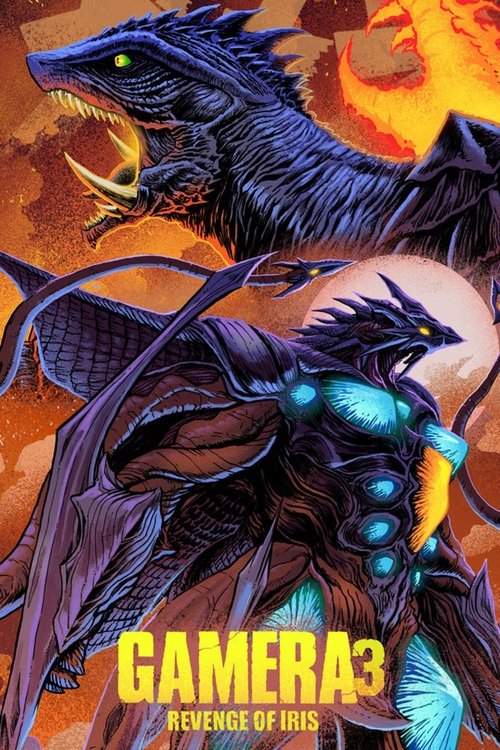
Gamera 3: Revenge of Iris
1999
No user ratings available yet
Representation score: 5.0 out of 10
Representation Score
Limited
1996
Not RatedDirector
Shusuke Kaneko
Runtime
99 minutes
Average Rating
No ratings yetNew Showbiz Analysis
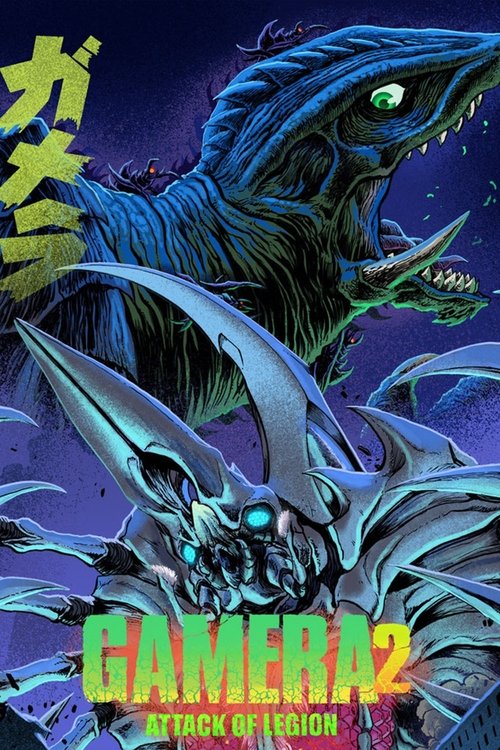
Gamera 2: Attack of Legion distinguishes itself through a sophisticated, biological approach to science fiction. By focusing on scientific inquiry and evolutionary struggles, the film moves beyond simple monster movie clichés to offer a more intellectually engaging narrative. The film's main strength lies in its subversion of gendered disaster clichés. Through Asagi, the narrative grants a female character significant intellectual ability to act and a central role in managing the global crisis. However, the film remains socially traditional. It lacks demographic diversity, focusing on a homogeneous cast and relying on established state hierarchies to resolve the conflict without exploring broader social or identity-based complexities.
Category Breakdown
The film does not include any LGBTQ+ characters or explore non-straight relationships. The interpersonal dynamics revolve around biological survival and traditional connections.
Asagi stands out as a strong female lead with significant influence. She drives the intellectual response to the invasion, challenging passive female stereotypes in disaster movies.
The film features a mostly homogenous Japanese cast reflecting its local setting. The story centers on the extraterrestrial threat rather than ethnic diversity or overlapping identities.
The story emphasizes scientific rationalism and the competence of state institutions like the military and government. It avoids religious or cultural interventions.
The film does not depict any visible or invisible disabilities. Characters are defined by their professional roles during the crisis.
Present on Screen
Limited or Absent
Official Synopsis
A strange meteor lands in Japan and unleashes hundreds of insect-like "Legion" creatures bent on colonizing the Earth. When the military fails to control the situation, Gamera shows up to deal with the ever-evolving space adversary. However the battle may result in Gamera losing his bond with both Asagi and humanity.
1999
1995
1989
1997
2001
1996
1967
1991
No reviews yet. Be the first to share your thoughts on this movie!
Use the rating form above to leave a star rating and optional review.