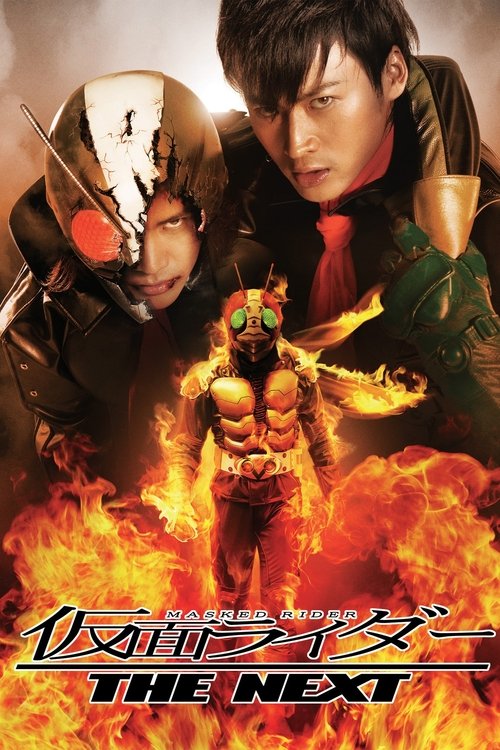
Kamen Rider: THE NEXT
2007
No user ratings available yet
Representation score: 3.4 out of 10
Representation Score
Fair
2003
Director
Ryuta Tasaki
Runtime
81 minutes
Average Rating
No ratings yetNew Showbiz Analysis
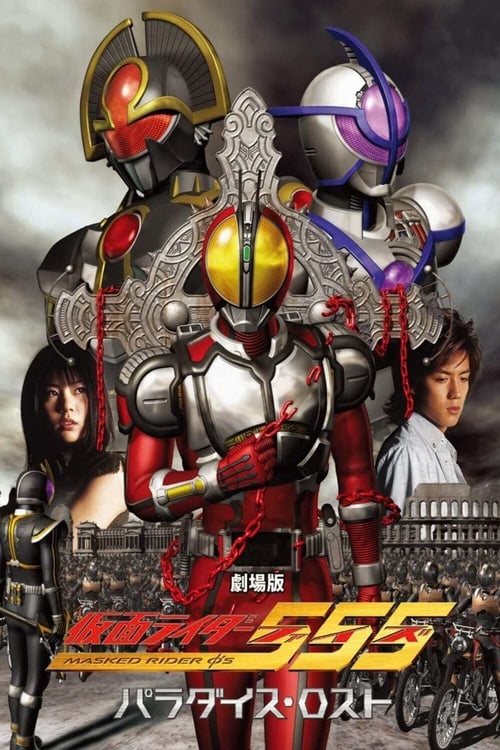
Kamen Rider 555: Paradise Lost is a typical action film that centers on existential themes rather than social identity. It follows the traditional Tokusatsu format, focusing on the conflict between humans and the Orphnoch species. While the film lacks demographic diversity, it provides a nuanced critique of societal structures. By setting the story in a post-collapse world where corporations have taken over from governments, the film examines the fragility of established hierarchies and the nature of humanity. Overall, the narrative structure prioritizes biological and philosophical questions over the representation of specific social identities.
Category Breakdown
The film does not explicitly depict LGBTQ+ identities or non-traditional gender expressions. The focus on survival and species conflict leaves little room for queer themes.
Male characters primarily take on leadership and combat roles. Female characters play supporting or reactive parts rather than driving the plot.
The cast is predominantly Japanese. The narrative emphasizes the biological difference between Humans and Orphnochs without exploring racial diversity.
The film critiques traditional social institutions by showing a world where corporations have replaced governments. It explores themes of systemic corruption and moral relativism.
There is no significant focus on neurodivergence or physical disabilities. Orphnoch transformations are shown as a species-wide change rather than a representation of individual disability.
Present on Screen
Limited or Absent
Official Synopsis
In the near future, the world is ruled by the Smart Brain Corporation, with 90% of the population being Orphnoch, and the once prominent human race is nearing extinction. Takumi Inui, Kamen Rider Faiz, was once regarded as mankind’s savior until, in an attack by Smart Brain troops, he was presumed dead. Since then, human rebel groups have staged attacks on Smart Brain’s complex in an attempt to steal the top-secret Emperor Belts, with no success. Kiba Yuji, Naoya Kaidō and Yuka Osada attempt to ease tensions between both races but their peace meeting is interrupted by Smart Brain troops and their newest warrior, Kamen Rider Psyga. Takumi, believing himself a young cobbler named Takeshi, regains his memory and becomes Kamen Rider Faiz again to settle things with Smart Brain once and for all.
2007
2024
2006
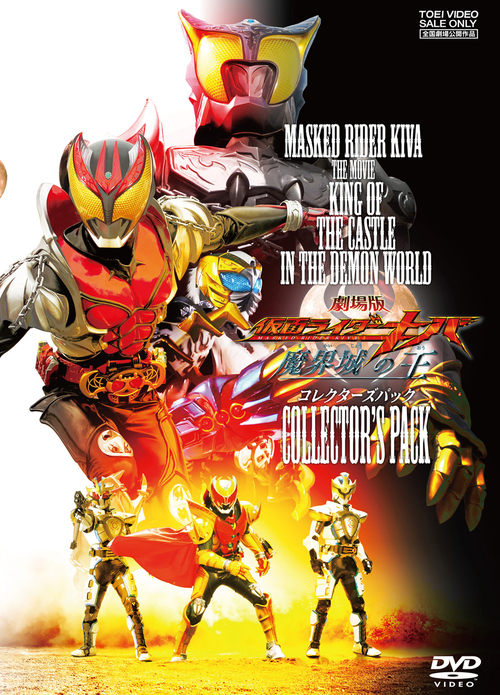
2008
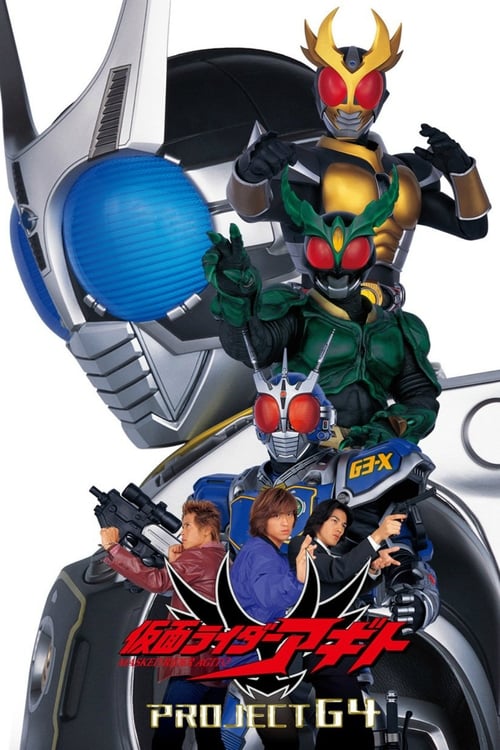
2001
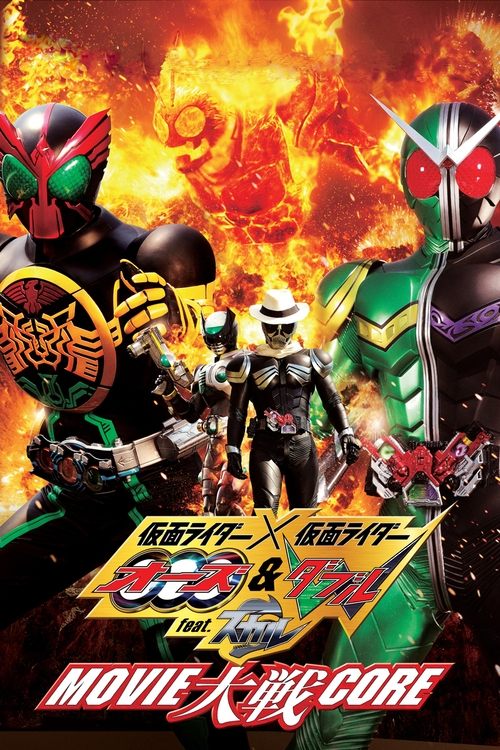
2010
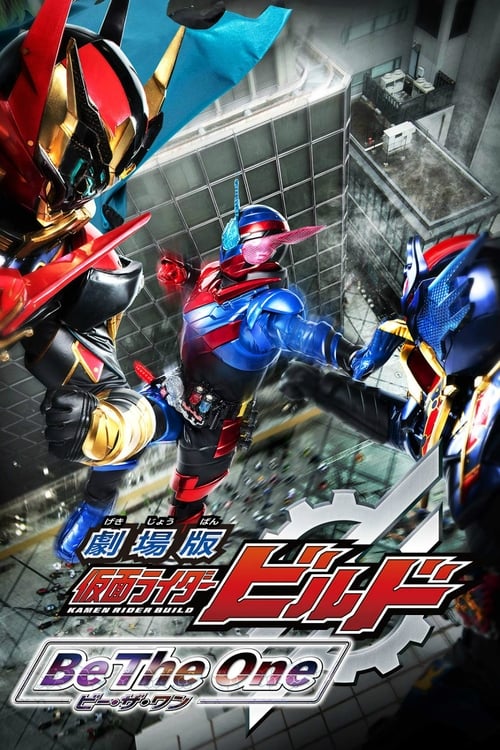
2018
2022
No reviews yet. Be the first to share your thoughts on this movie!
Use the rating form above to leave a star rating and optional review.