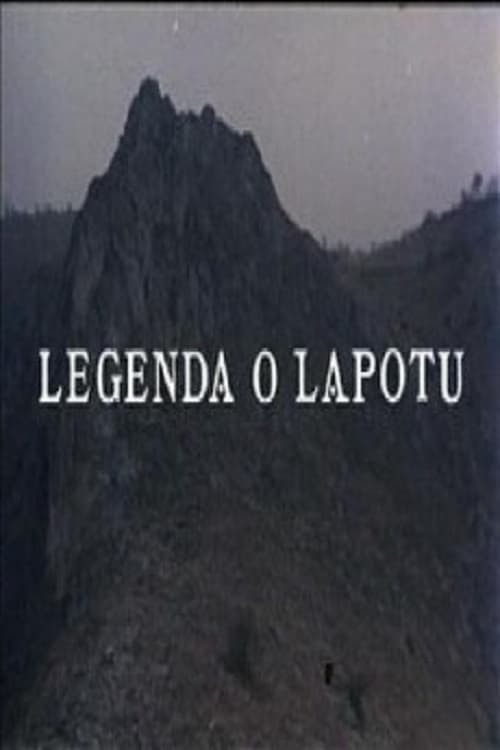
The Legend of Lapot
1972
No user ratings available yet
Representation score: 7.8 out of 10

Representation Score
Minimal
1961
Director
Luc Moullet
Runtime
19 minutes
Average Rating
No ratings yetNew Showbiz Analysis
Black Earth is a formalist, experimental documentary that prioritizes the relationship between labor and the soil over character-driven narratives. Its focus is on the socioeconomic stagnation of isolated French villages. While the film lacks demographic diversity, it provides a cultural critique of modernization. By documenting communities left behind by progress, it challenges the myth of industrial advancement. Ultimately, the work is a study of landscape and manual labor rather than a vehicle for identity-based representation.
Category Breakdown
The film focuses on agricultural landscapes and rural labor without featuring any LGBTQ+ characters or stories about non-cisgender identities.
The narrative emphasizes the mechanics of agriculture and the environment. It does not highlight women's ability to drive the story or challenge traditional gender roles in rural life.
The film portrays a homogeneous population typical of its 1961 French rural setting. There is no indication of racial or ethnic diversity among the villagers.
Moullet critiques industrialization by highlighting villages without modern infrastructure, showing how traditional ways of life are erased by capitalist progress.
The observational nature of the film does not focus on disability or neurodivergence as central narrative elements.
Present on Screen
Limited or Absent
Official Synopsis
Pseudo-ethnological documents about two villages which, without roads and electricity, "stopped existing".
1972

1929

2010
1964
1966
1983
1940
1961
No reviews yet. Be the first to share your thoughts on this movie!
Use the rating form above to leave a star rating and optional review.