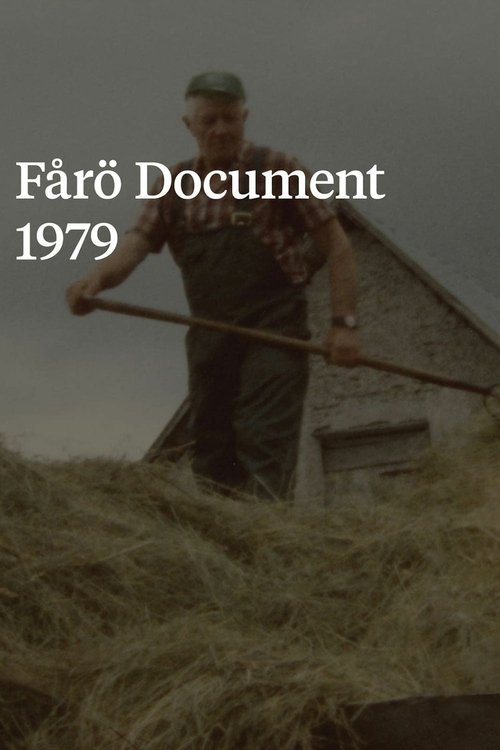
Fårö Document 1979
1979
No user ratings available yet
Representation score: 1.6 out of 10

Representation Score
Minimal
1970
Not RatedDirector
Ingmar Bergman
Runtime
57 minutes
Average Rating
No ratings yetNew Showbiz Analysis
Fårö Document (1970) serves primarily as an ethnographic study of a rural community undergoing change. It prioritizes the observation of local inhabitants, farming, and fishing over the exploration of identity politics or diverse representation. The film captures a specific moment in Swedish history, showing how social and economic changes impact a sparsely populated island. While it does not intentionally include diverse social identities, it provides a nuanced look at how traditional structures face modernization. Ultimately, the work is a meditation on place and time, succeeding as a sociological record but not aiming to challenge or represent diverse social identities.
Category Breakdown
The documentary focuses on the sociological landscape of the Fårö community and does not include any LGBTQ+ characters or narratives about sexual orientation.
The film examines generational shifts and the practical realities of family life. It observes traditional gender roles without challenging gendered power dynamics.
This is a localized study of a historically homogeneous Swedish island. The cast reflects the specific demographic reality of the era and location.
The film explores the tension between tradition and modernity. It offers a contemplative, secularist perspective on human existence and the natural world.
There are no depictions of neurodivergence, physical disabilities, or mental health conditions as central themes or character arcs.
Present on Screen
Limited or Absent
Official Synopsis
Shot on the island of Fårö, this documentary presents interviews with local inhabitants as they discuss work, family life, and the conditions of living in a sparsely populated rural community. Bergman documents generational differences and practical concerns surrounding farming, fishing, education, and migration as the island confronts social and economic change.
1979

1968

1985
1988
1972
No reviews yet. Be the first to share your thoughts on this movie!
Use the rating form above to leave a star rating and optional review.