Don't Look Now... We're Being Shot At!
1966
No user ratings available yet
Diversity score: 1.4 out of 10
1964
ApprovedDirector
Joshua Logan
Runtime
104 minutes
Average Rating
No ratings yetSynopsis
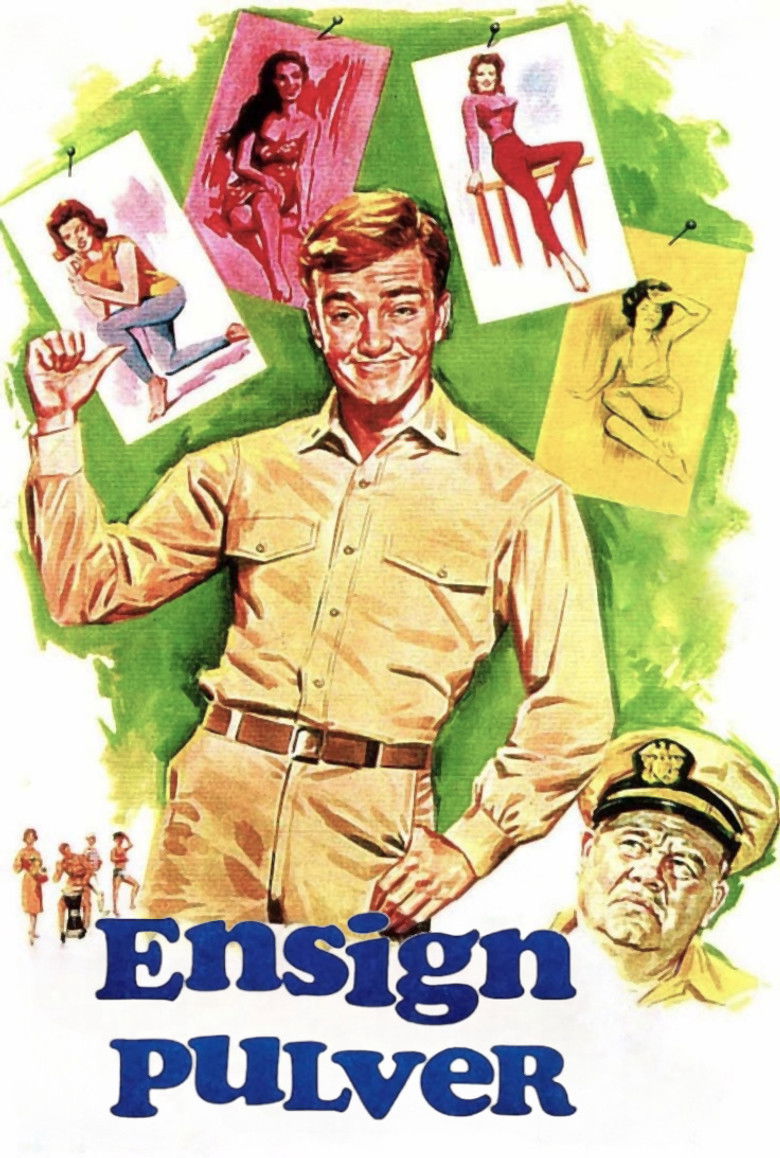
1945, on an old cargo ship somewhere deep in the Pacific ocean: Captain Morton strives to become commander, so he demands the maximum quality of work from his crew, without granting them any freedom or favors - ignoring that they're thousand of miles away from the front. In one word: he drives his crew crazy. They are near mutiny, but no-one dares to do the first step. Until Ensign Pulver plays a prank on the captain that triggers fatal consequences...
Overall Score
Minimal
Category Breakdown
LGBTQ+ Representation
The film operates within a strictly heteronormative framework. It focuses on the camaraderie of a male-only military environment with no depictions of queer identities.
Gender Representation
The narrative is almost entirely devoid of female agency. It focuses on masculine archetypes and the friction between military authority and subordinates within a male-centric hierarchy.
Racial & Ethnic Diversity
The cast is predominantly homogeneous, reflecting the historical context of 1964. There is no significant racial or ethnic blending within the depicted naval crew.
Religious & Cultural Diversity
The story explores the tension between individual survival and institutional duty. It frames the protagonist's behavior through personal cowardice rather than a systemic critique of Western institutions.
Disability Representation
There is no meaningful representation of physical or neurodivergent disabilities. Psychological traits like cowardice are treated as moral failings rather than explorations of mental health.
Strengths
Areas for Improvement
AI Analysis
Ensign Pulver is a traditional mid-century character study that reinforces established social hierarchies. The film's setting on a naval vessel creates a closed, male-dominated environment that excludes diverse perspectives. The narrative prioritizes military discipline and individual morality over any systemic critique. While the protagonist offers a slight departure from purely heroic archetypes, the film remains rooted in conventional Western structures. Ultimately, the production lacks the intentionality to provide intersectional representation, functioning instead as a product of its era's standard Hollywood narrative structures.
1966

1950
1950
1956

1961
1943
1958

1960
1945
1968

1951

1971
No reviews yet. Be the first to share your thoughts on this movie!
Use the rating form above to leave a star rating and optional review.