Desert Mice
1959
No user ratings available yet
Representation score: 2.9 out of 10
Representation Score
Minimal
1958
ApprovedDirector
Gerald Thomas
Runtime
84 minutes
Average Rating
No ratings yetNew Showbiz Analysis
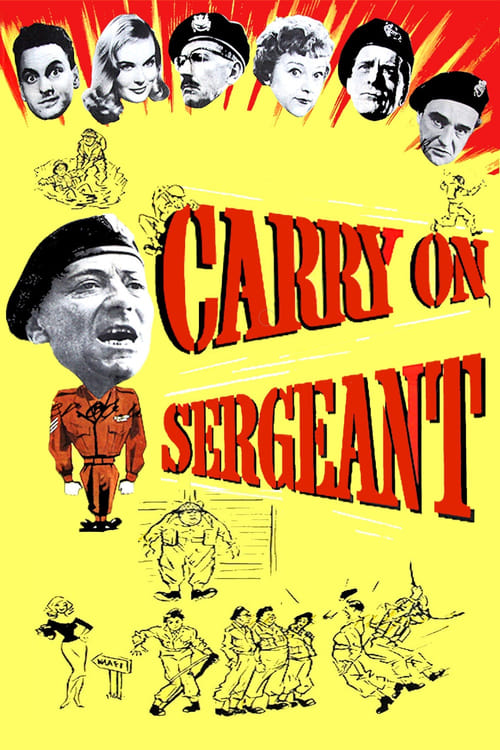
Carry On Sergeant is a product of its time, functioning as a traditional ensemble comedy. The narrative prioritizes slapstick humor and the reinforcement of mid-century social hierarchies over diverse representation. The film adheres to the demographic norms of 1950s British cinema, lacking the intention to challenge conventional clichés. Instead, it offers a homogeneous portrayal of wartime life. Ultimately, the work upholds the stability of military institutions and traditional social structures rather than presenting a diverse or subversive perspective.
Category Breakdown
The film focuses solely on an all-male military unit, with no representation of LGBTQ+ identities or same-sex relationships.
The narrative centers on a male-dominated military structure where women play minor roles and do not challenge traditional gender roles.
The cast is primarily made up of white actors, reflecting the demographics of the British National Service in the 1950s. There is no visible racial or ethnic diversity among the characters.
The story emphasizes the British military tradition, with humor derived from disobedience rather than a critical look at authority or social structures.
There is no depiction of physical, sensory, or neurodivergent disabilities. Characters are portrayed through typical comedic stereotypes without addressing the experiences of disabled individuals.
Present on Screen
Limited or Absent
Official Synopsis
Sergeant Grimshawe wants to retire in the flush of success by winning the Star Squad prize with his very last platoon of newly called-up National Servicemen. But a motley bunch they turn out to be, and it's up to Grimshawe to put the no-hopers through their paces.
1959

1973
1956

1964

1967
1959

1957
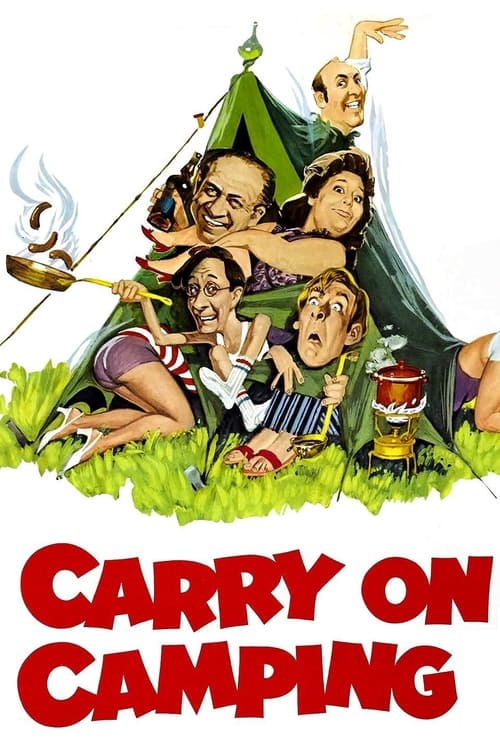
1969
No reviews yet. Be the first to share your thoughts on this movie!
Use the rating form above to leave a star rating and optional review.