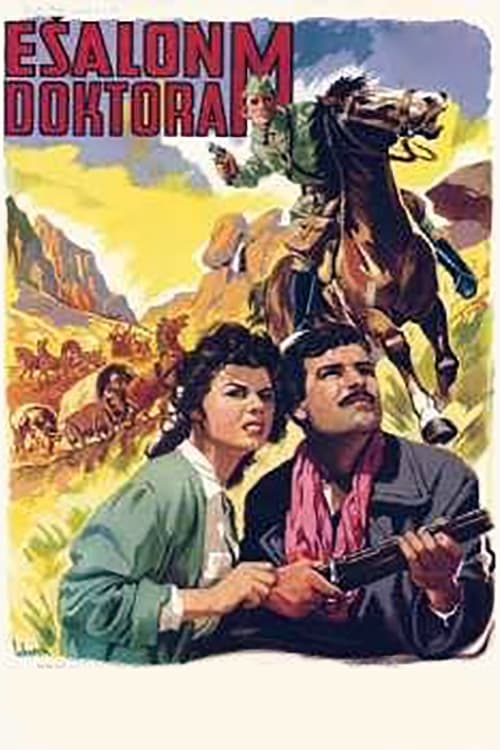
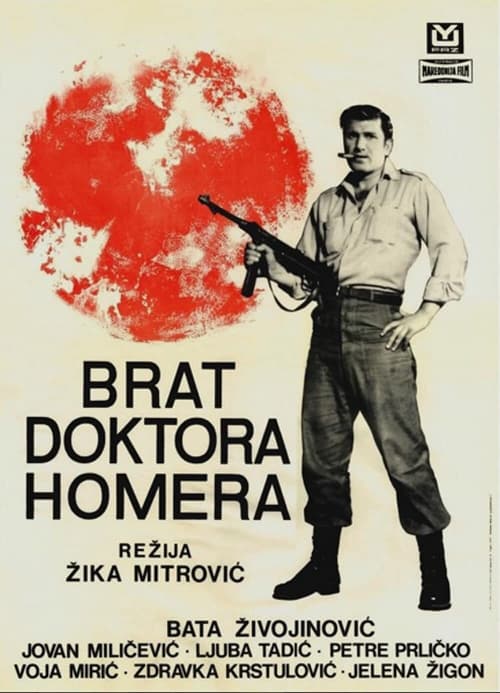
Echelon of Doctor M
1955
No user ratings available yet
Representation score: 6.3 out of 10
Representation Score
Good
1968
Director
Žika Mitrović
Runtime
84 minutes
Average Rating
No ratings yetNew Showbiz Analysis
Žika Mitrović’s work explores the interplay between personal psychology and historical change. By focusing on a man's delusions during the postwar period in 1945 Kosovo, the film steers clear of traditional heroic narratives, instead highlighting the tragic human experience. The film stands out for its dedication to a non-Western, historically specific context. It leverages the complexities of Kosovo to create a grounded story reflecting ethnic tensions and systemic collapse. However, the film's focus on the male experience limits its scope. The absence of visible female roles or explicit LGBTQ+ representation restricts a more inclusive social portrait.
Category Breakdown
The film does not explicitly include LGBTQ+ characters or explore non-straight relationships. The story focuses on the protagonist's psychological struggles in a postwar environment.
The narrative centers on a male protagonist's journey and realization. However, there is little indication of women playing significant roles or having control over their situations.
Set in 1945 Kosovo, the film highlights a diverse population facing ethnic tensions and social unrest. It explores identity through the lens of shared suffering and multi-ethnic community wounds.
The film emphasizes a harsh, material reality over idealized patriotism. It critiques social conformity and traditional morality by focusing on the breakdown of societal order and systemic suffering.
The protagonist's delusions play a central role in the plot. This suggests a nuanced portrayal of mental health as a key element in the character's journey towards understanding.
Present on Screen
Limited or Absent
Official Synopsis
This film predominantly deals with the problems of a young man whom his delusions led into conflict with society. These issues will throw him into an adventure that would be tragic for him, but still helpful for him to see the truth. The story takes place in Kosovo in 1945, in an atmosphere of uncured wounds, wandering, betrayal, burned homes, typhoid and other postwar misery. An authentic story from those days was taken as the film's basis.
1955
1996
1959
1987
1967
1986
2012
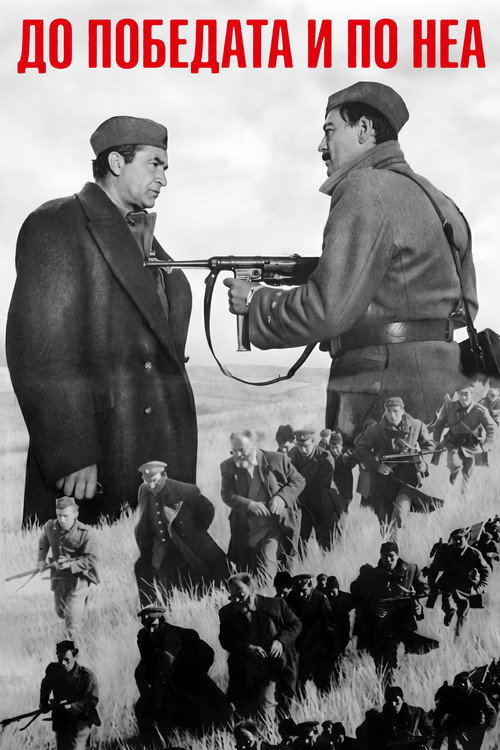
1967
No reviews yet. Be the first to share your thoughts on this movie!
Use the rating form above to leave a star rating and optional review.