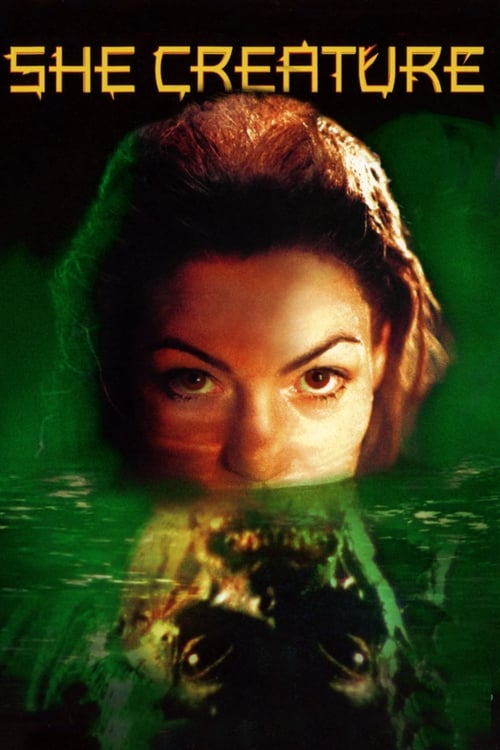
Mermaid Chronicles Part 1: She Creature
2001
No user ratings available yet
Representation score: 5.0 out of 10
Representation Score
Fair
2011
Director
Nicholas Humphries
Runtime
7 minutes
Average Rating
No ratings yetNew Showbiz Analysis
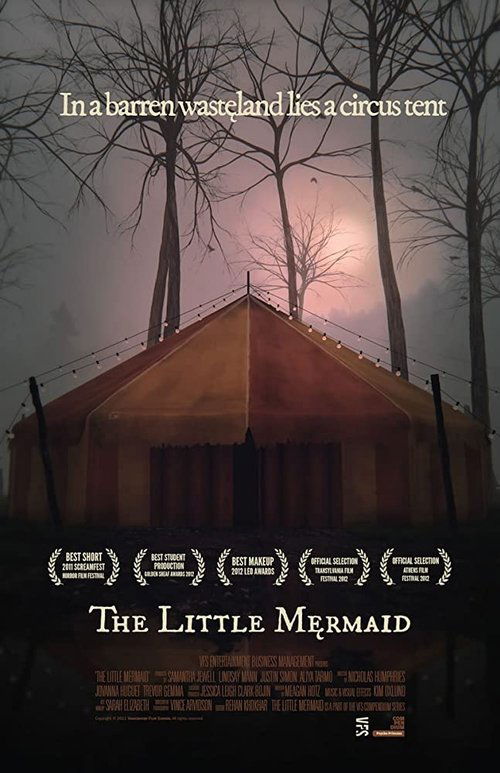
Nicholas Humphries' reimagining of the classic tale shifts from romanticism to a grim critique of systemic oppression. By focusing on bodily autonomy instead of longing, the film deconstructs the traditional fairy-tale framework through a lens of horror and exploitation. Though the film lacks diversity in terms of traditional demographic markers like race or LGBTQ+ identity, it excels in cultural subversion. It uses the mermaid's captivity to challenge the morality of predatory, capitalistic forces. Ultimately, the work is a study of power dynamics. It replaces sanitized versions of folklore with a survivalist morality that highlights the suffering of underrepresented entities under oppressive authority.
Category Breakdown
The story focuses on a single, unfulfilled romantic interest and follows traditional heterosexual structures without any queer undertones or non-binary gender identities.
The central character is a mermaid whose control over her fate is taken away by a male ringmaster. The film avoids simplistic damsel-in-distress clichés by highlighting her struggle through existential horror.
Set in a fantastical wasteland, the film lacks a diverse human cast. While spectators show a range of socioeconomic statuses, specific ethnic representation is not a main focus.
The film stands out by criticizing institutional greed and the commodification of life. It replaces fairy-tale idealism with a bleak, anti-capitalist critique of systemic exploitation.
The mermaid's confinement serves as a metaphor for losing control over one’s body. However, this functions more as a horror plot device rather than a nuanced look at disability.
Present on Screen
Limited or Absent
Official Synopsis
Deep in a barren, fantastical wasteland lays a dilapidated circus tent. Inside, an ominous ringmaster forces his prized act, a real live mermaid to perform for a group of grimy, working class spectators. The mermaid, though frightening, is but a lovesick, caged animal praying for release from her endless torture. Unwilling to surrender his meal ticket, the ringmaster rejects her pleas for compassion and continues to confine the mermaid to her stagnant holding tank. With nowhere to escape to, the mermaid must make the choice between holding on to the hope of freedom and putting an end to her abuse. Produced by Samantha Jewell, Lindsey Mann, Justin Simon and Aliya Tarmo through the VFS Compendium series and Directed by Nicholas Humphries (Riese: Kingdom Falling), The Little Mermaid is a twisted re-imagining of the classic Hans Christian Anderson tale.
2001

1992
2026
2007
2015

1961
2018
2010
No reviews yet. Be the first to share your thoughts on this movie!
Use the rating form above to leave a star rating and optional review.