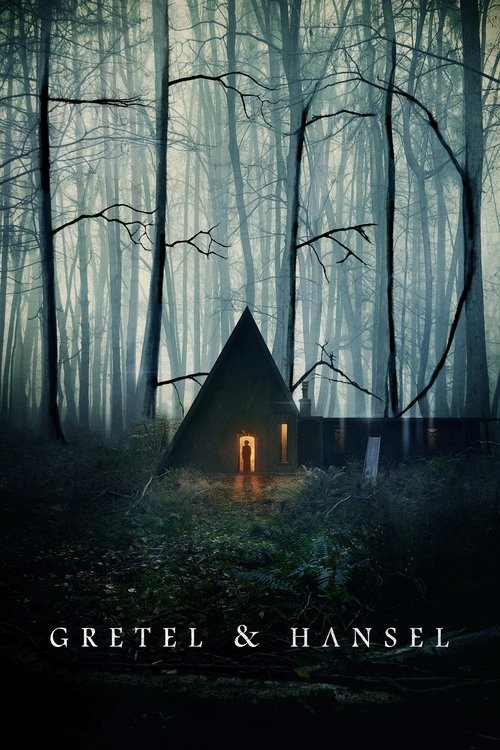
Gretel & Hansel
2020
No user ratings available yet
Representation score: 5.2 out of 10
Representation Score
Fair
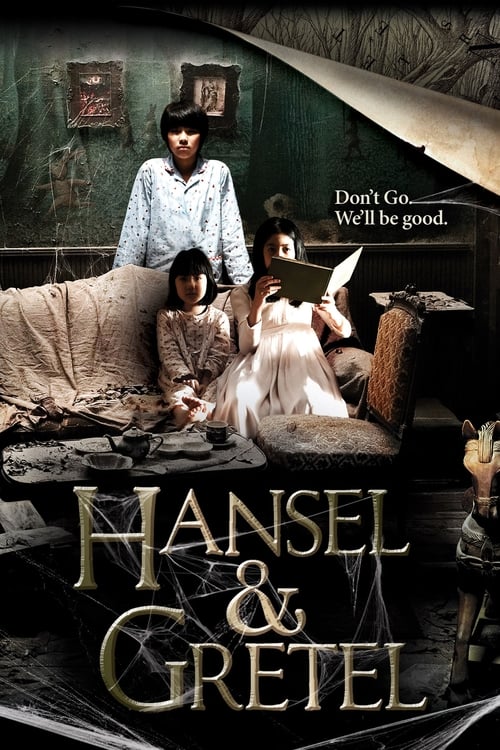
2007
TV-14Director
Yim Pil-sung
Runtime
117 minutes
Average Rating
No ratings yetNew Showbiz Analysis
Hansel & Gretel is a sophisticated psychological fantasy that prioritizes the deconstruction of authority and the exploration of subjective reality. Its strength lies in a narrative architecture that challenges conventional social cohesion and promotes a morally relativistic worldview. However, the film lacks overt demographic diversity. The absence of LGBTQ+ representation and the homogeneous ethnic landscape typical of its localized South Korean setting prevent a higher overall score. Ultimately, the work succeeds in its thematic depth, using folklore to process trauma and questioning the stability of truth rather than relying on standard genre clichés.
Category Breakdown
The film does not include any LGBTQ+ characters or explore non-straight identities. The story focuses on the psychological and folkloric connections between the protagonist and the forest inhabitants.
The narrative challenges traditional hierarchies by centering a young female perspective that shapes the film's reality. However, the lack of diverse gender expressions limits the score.
As a South Korean production, the film features a relatively homogeneous ethnic landscape. It offers a departure from Anglo-centric fantasy traditions but lacks multi-layered racial diversity within the cast.
The film uses folklore to critique traditional social structures and adult authority. It portrays the adult world as a source of alienation, favoring a nuanced, postmodern approach to morality.
The film explores psychological isolation and neuro-atypical perception through the protagonist's porous reality. It avoids common clichés by focusing on the character's ability to drive the story within her own perceived truth.
Present on Screen
Limited or Absent
Official Synopsis
When Eun-soo gets lost in a country road, he meets a mysterious girl and is led to her fairytale ike house in the middle of the forest. There, Eun-soo is trapped with the girl and her siblings who never age. Eun-soo finally discovers a way out which is written on a fairy tale book. But the book tells a story of none other than himself!
2020
2012
2015
1973
2001
1984
1988

2020
No reviews yet. Be the first to share your thoughts on this movie!
Use the rating form above to leave a star rating and optional review.