
Merlusse
1935
No user ratings available yet
Representation score: 2.3 out of 10
Representation Score
Limited
1940
ApprovedDirector
Norman Z. McLeod
Runtime
84 minutes
Average Rating
No ratings yetNew Showbiz Analysis
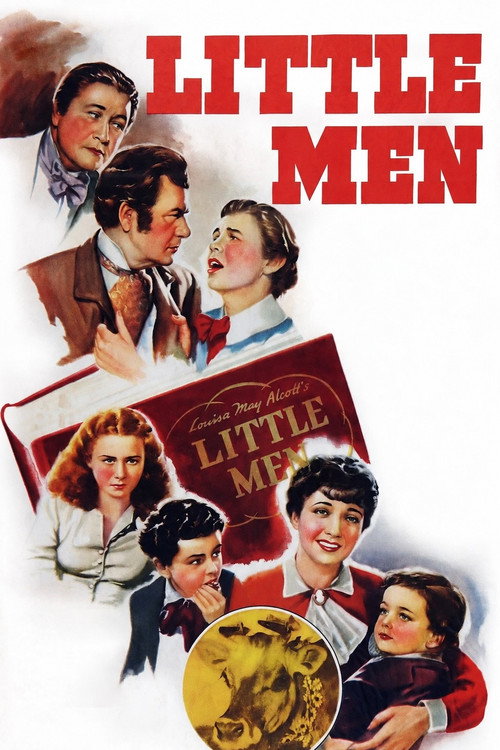
Little Men successfully breaks away from mid-20th-century gender norms by placing a female protagonist in a position of intellectual and moral leadership. Jo March's role as a school administrator represents a progressive shift from traditional female roles. However, the film remains firmly rooted in the social norms of its time. Its lack of racial, cultural, or LGBTQ+ diversity results in a narrative that feels narrow and homogeneous. Overall, while the film excels in showcasing women's ability to drive the story, it falls short in providing diverse representation.
Category Breakdown
The film does not include any LGBTQ+ characters or themes. Relationships are limited to traditional 19th-century family structures.
Jo March challenges traditional gender roles by taking a leading role in running a school and handling legal matters. She actively navigates educational and legal challenges.
The cast and setting are predominantly white, reflecting the production standards of the 1940s. There are no non-Anglo-Saxon characters or instances of color-blind casting.
The story upholds traditional Western values, emphasizing moral righteousness and the sanctity of home life. Conflicts are resolved by maintaining social order and protecting established institutions.
The film does not prominently feature characters with physical or neurodivergent disabilities. Character struggles focus on socioeconomic and moral issues rather than disability-related challenges.
Present on Screen
Limited or Absent
Official Synopsis
Jo March and her husband Professor Bhaer operate the Plumfield School for poor boys. When Dan, a tough street kid, comes to the school, he wins Jo's heart despite his hard edge, and she defends him when he is falsely accused. Dan's foster father, Major Burdle, is a swindler in cahoots with another crook called Willie the Fox. When the Plumfield School becomes in danger of foreclosure, the two con men cook up a scheme to save the home.
1935

1938

1948

1945

1935
1948
1939

1940
No reviews yet. Be the first to share your thoughts on this movie!
Use the rating form above to leave a star rating and optional review.