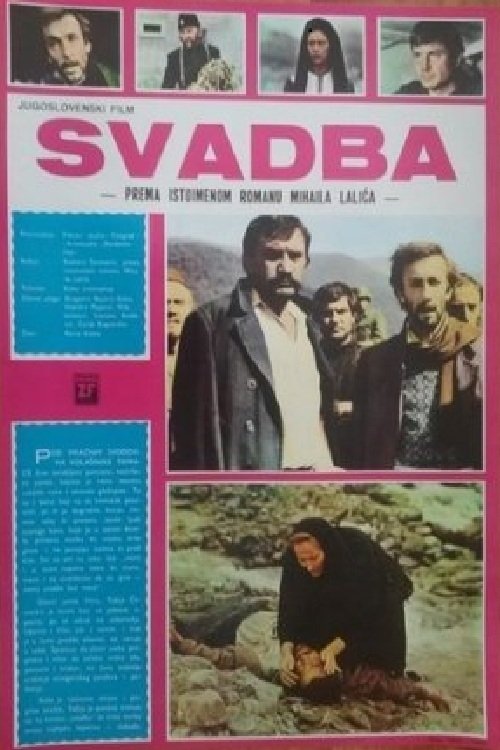
Wedding
1973
No user ratings available yet
Representation score: 7.9 out of 10
Representation Score
Limited
1982
Director
Radomir Šaranović
Runtime
110 minutes
Average Rating
No ratings yetNew Showbiz Analysis
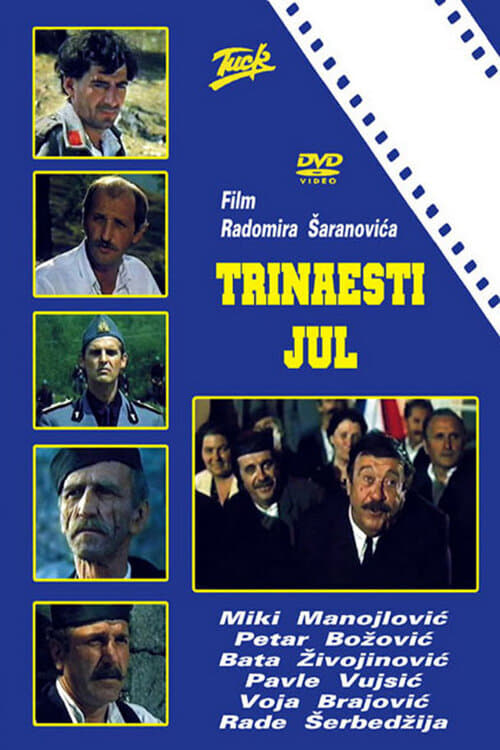
July 13th is a historical reconstruction of the Montenegrin uprising against Italian occupation. It prioritizes collective ability to act and systemic upheaval over individualist heroics, framing the struggle through a socialist lens of resistance. The film excels in cultural representation by challenging imperialist hierarchies and focusing on anti-fascist liberation. However, it lacks modern multi-layered markers, such as representation for LGBTQ+ identities or neurodivergent individuals, remaining rooted in the specific ideological and social frameworks of its era.
Category Breakdown
The film does not include any representation of LGBTQ+ identities or queer narratives. It adheres strictly to the traditional social structures of the early 1940s.
The narrative focuses on male-dominated military and political spheres. While women historically played important roles in resistance logistics, the film portrays them in traditional wartime roles.
The story depicts a localized ethnic conflict between Montenegrins and Italian occupiers. It highlights the ability to act of the local population in resisting an imperialist presence.
The film prioritizes secular, revolutionary values and collective struggle. It frames the socialist-led uprising as a necessary liberation against oppressive, Western-aligned structures.
There is no evidence of the portrayal of physical or neurodivergent characters. The narrative does not address disability representation.
Present on Screen
Limited or Absent
Official Synopsis
This is a movie about the start of people's uprising in Montenegro in World War II. After the capitulation of the Yugoslav Royal Army in April 1941, the Italians managed to infiltrate their puppet regime in Montenegro. However, people dissatisfied with the new authorities, on July 13, 1941 decided that the Communists led start to fight for freedom.
1973
1982
1979
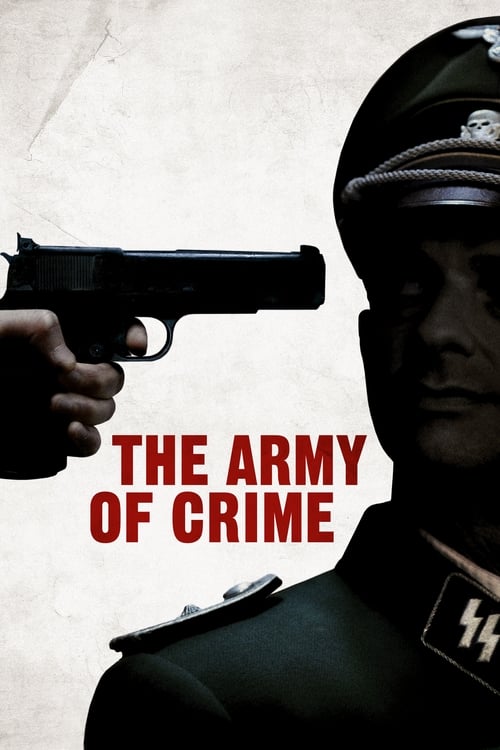
2009
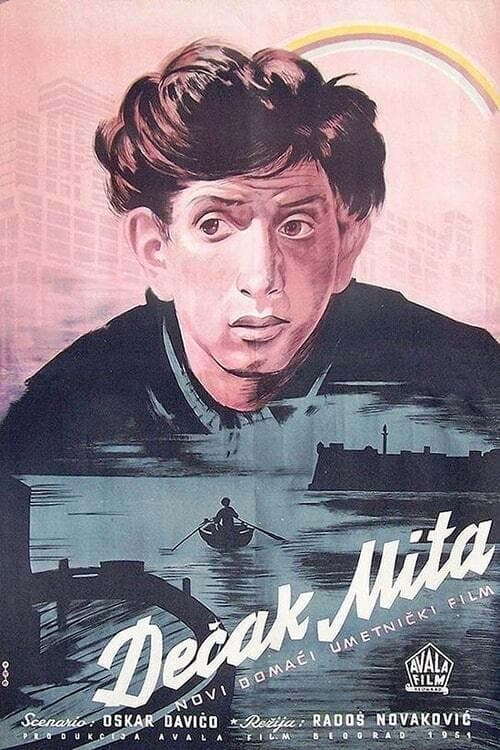
1951
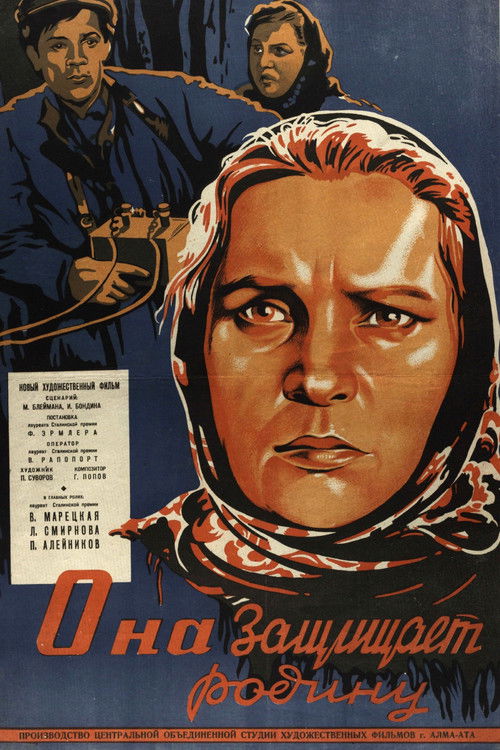
1943
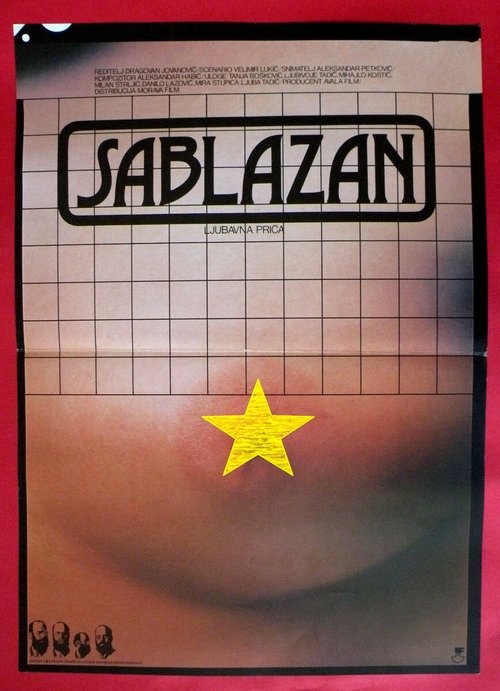
1982
1958
No reviews yet. Be the first to share your thoughts on this movie!
Use the rating form above to leave a star rating and optional review.