
French Twist
1995
No user ratings available yet
Diversity score: 4.9 out of 10
1991
Director
Josiane Balasko
Runtime
90 minutes
Average Rating
No ratings yetSynopsis
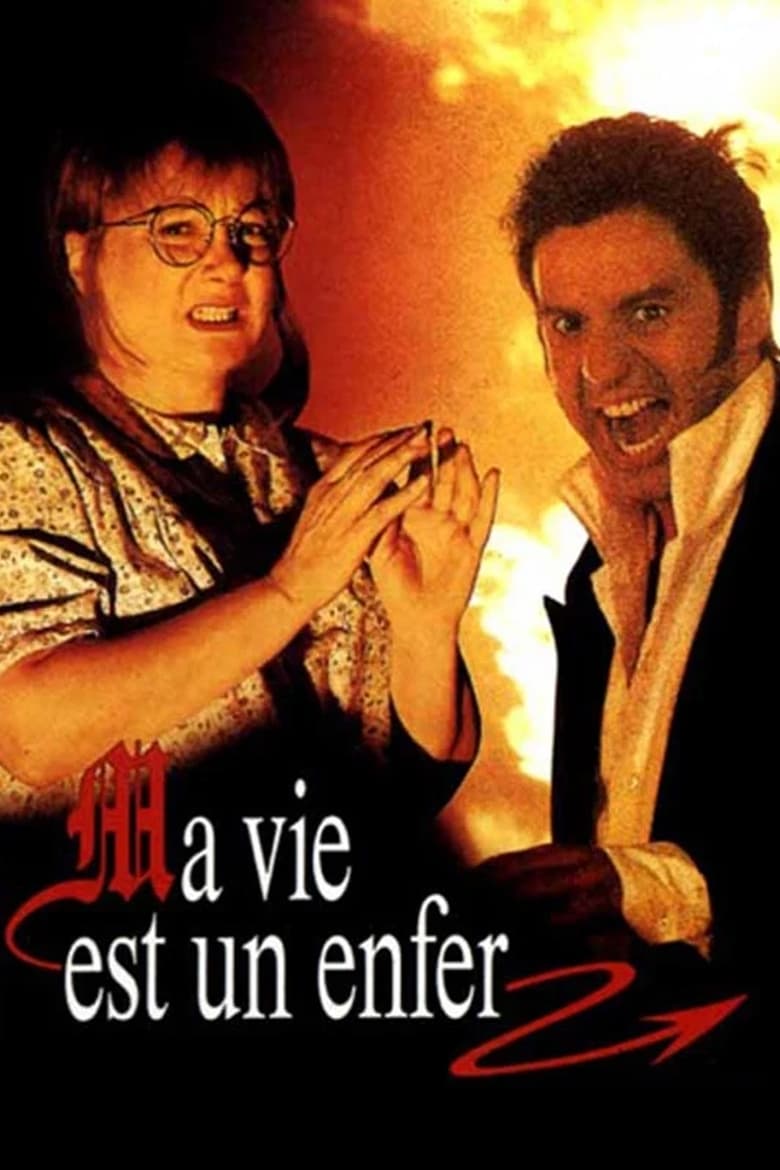
The naive and self-conscious Leah mistakenly signs a pact with the devil Abargadon. But she's on Heaven's hit list, so the Archangel Gabriel intervenes to bring about the demon's demise. But Leah begins to find Abargadon attractive and not so bad. She decides to save his soul.
Overall Score
Fair
Category Breakdown
LGBTQ+ Representation
The film explores unconventional romantic attractions that disrupt traditional moral pairings. While it lacks explicit non-cisnormative identities, it moves away from heteronormative expectations of sanctity.
Gender Representation
Leah serves as a highly agentic protagonist who actively negotiates her supernatural predicament. The film subverts traditional feminine tropes by focusing on her complex, chaotic desires.
Racial & Ethnic Diversity
The narrative appears largely homogeneous, operating within a standard urban French social framework. There is no evidence of significant racial blending or diverse casting.
Religious & Cultural Diversity
The story challenges singular religious morality by framing the devil as a redeemable figure. It positions systemic religious structures as forces in conflict with individual subjective truth.
Disability Representation
The film explores themes of social awkwardness and self-consciousness. However, there is no evidence of characters with disabilities portrayed with specific agency.
Strengths
Areas for Improvement
AI Analysis
Josiane Balasko’s comedy succeeds in subverting traditional hierarchies, particularly through its strong female lead. Leah is a character defined by her own agency rather than submissive tropes, navigating a supernatural world on her own terms. The film's strength lies in its moral relativism. By humanizing the demonic, it challenges rigid religious dichotomies and prioritizes personal connection over institutional dogma. However, the film lacks breadth in racial and LGBTQ+ representation. It remains largely confined to a homogeneous social framework and lacks explicit depictions of non-cisnormative identities.
1995
1977
2008
1992
1994
1969
1966

2018
1980
1971
1979
1999
No reviews yet. Be the first to share your thoughts on this movie!
Use the rating form above to leave a star rating and optional review.