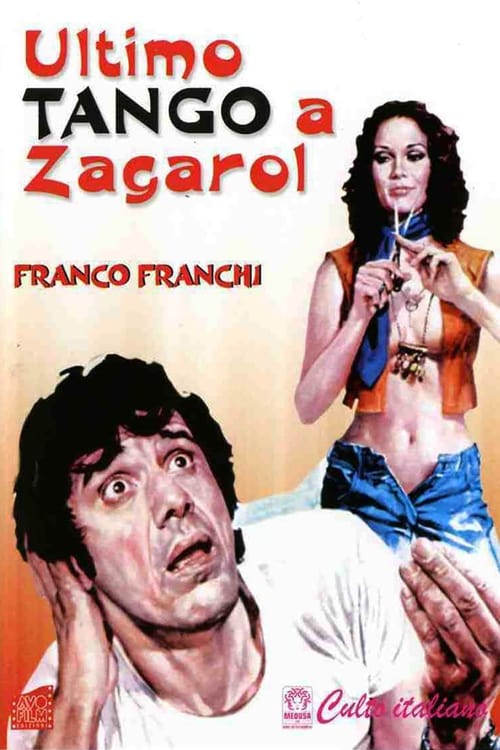
The Last Italian Tango
1973
No user ratings available yet
Diversity score: 3.9 out of 10
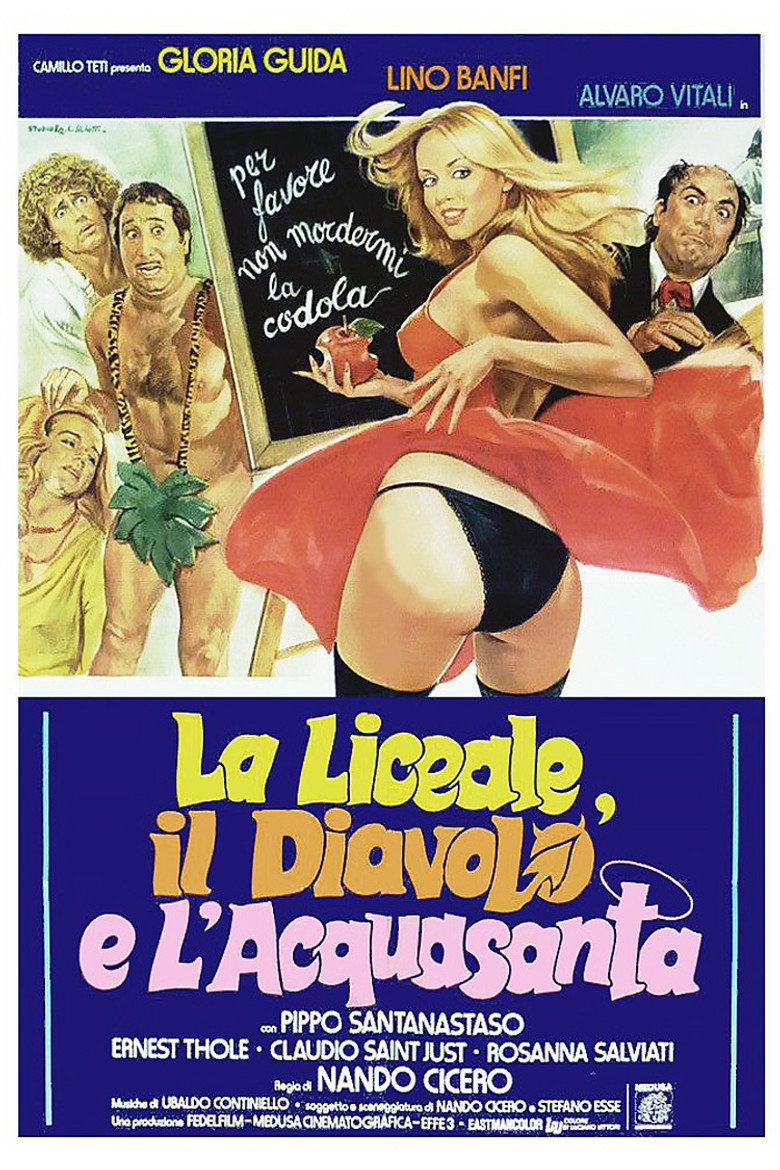
1979
Director
Nando Cicero
Runtime
95 minutes
Average Rating
No ratings yetSynopsis
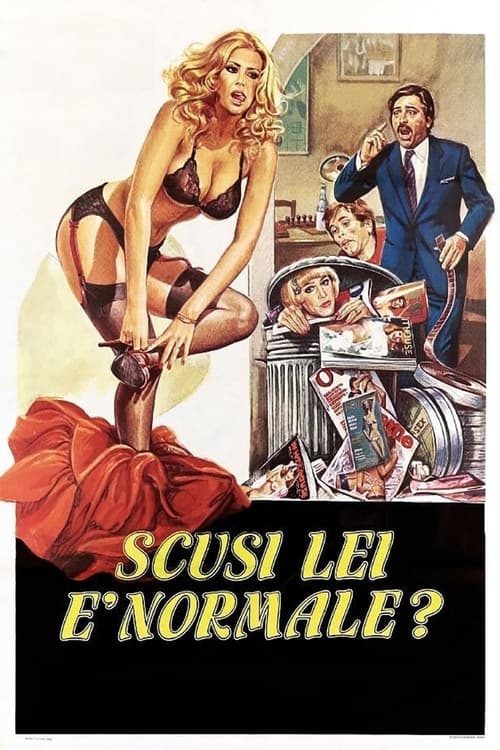
An anthology film in which a guardian angel falls in love with a beautiful dancer a policeman must keep an eye on an arrested transvestite, and a dental technician sells his soul to the devil but is not satisfied with the results.
Overall Score
Fair
Category Breakdown
LGBTQ+ Representation
The film includes a segment centered on a policeman monitoring an arrested transvestite. This inclusion of a gender-nonconforming individual provides visibility that exceeds typical 1970s mainstream cinema.
Gender Representation
Female characters appear as a beautiful dancer and a highschool girl. While these archetypes suggest a reliance on the male gaze, they offer varied female presence across the anthology.
Racial & Ethnic Diversity
The cast appears to reflect a largely homogeneous Mediterranean demographic. There is no evidence of significant racial blending or non-white majority casting within the film.
Religious & Cultural Diversity
The narrative explores themes of moral relativism through supernatural elements like angels and devils. It treats traditional spiritual hierarchies with skepticism and subjective agency.
Disability Representation
The film provides no evidence regarding the depiction of physical or neurodivergent disabilities.
Strengths
Areas for Improvement
AI Analysis
Nando Cicero’s anthology film operates within the stylistic conventions of late 70s Italian comedy. It achieves a notable level of visibility for gender-nonconforming identities through its depiction of a transvestite character, which disrupts the era's standard heteronormative expectations. However, the film remains tethered to traditional social hierarchies. The female characters often function through the lens of the male gaze, and the demographic makeup appears largely homogeneous, reflecting the regional cinematic traditions of the time. Ultimately, the work balances transgressive character archetypes with conventional demographic norms, resulting in a mixed profile of representation.
1973
1981

1982
1973
1991

2015

1994
1979

1975
1962
1979
1982
No reviews yet. Be the first to share your thoughts on this movie!
Use the rating form above to leave a star rating and optional review.