
Tandem
2000
No user ratings available yet
Diversity score: 2.1 out of 10
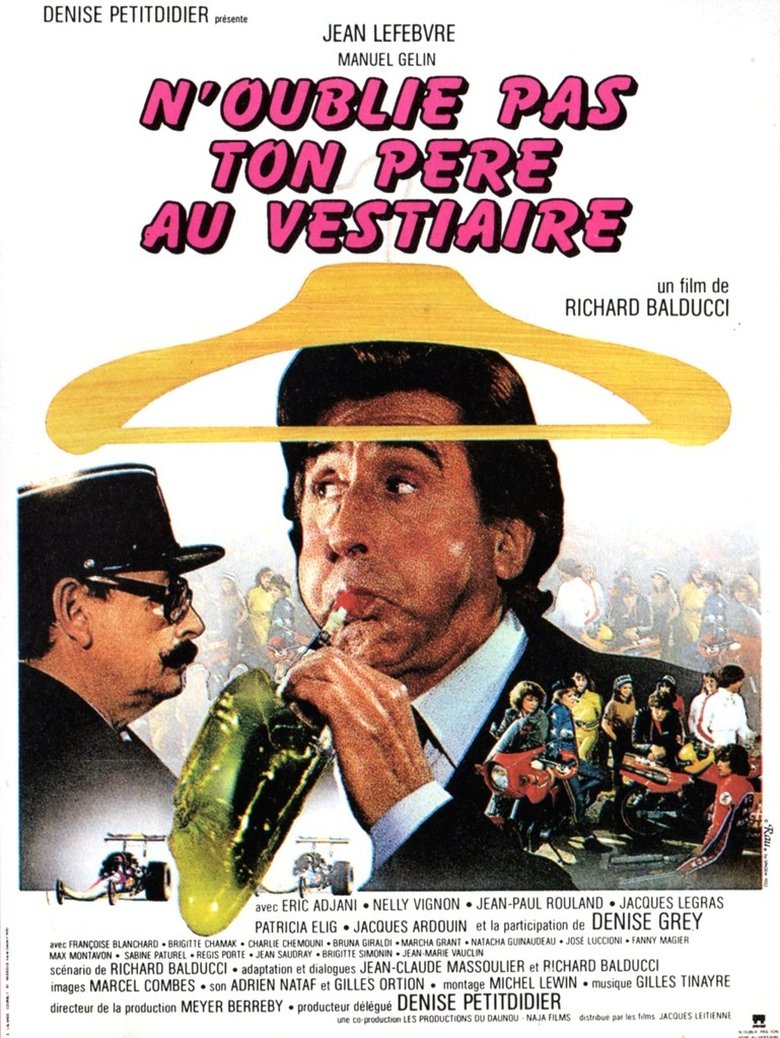
1982
Director
Richard Balducci
Runtime
95 minutes
Average Rating
No ratings yetOverall Score
Minimal
Category Breakdown
LGBTQ+ Representation
The film lacks any evidence of non-cisnormative gender identities. It appears to adhere to the standard heteronormative structures common in 1982 French comedy.
Gender Representation
The narrative seems centered on traditional patriarchal roles, specifically focusing on the figure of the father. There is no indication of women demonstrating significant agency or deconstructing masculine leadership.
Racial & Ethnic Diversity
The production reflects the demographic homogeneity typical of regional European comedies from this era. There is no evidence of a diverse cast or race-bent casting used to challenge norms.
Religious & Cultural Diversity
The story focuses on conventional social settings and traditional family dynamics. It lacks themes that challenge institutional structures or Western social units.
Disability Representation
There is no documented evidence of characters with physical or invisible disabilities. The film does not engage with neurodivergence or disability as a central narrative component.
Strengths
Areas for Improvement
AI Analysis
This 1982 comedy functions as a period-specific work that operates within the traditional social and cultural frameworks of its time. It reflects the standard demographic and institutional norms of the early 1980s rather than attempting to disrupt them. The film lacks intentionality regarding the subversion of identity, gender, or power dynamics. Instead, it reinforces conventional social units through its focus on patriarchal roles and localized cultural settings. Overall, the work presents a narrow view of representation, offering little to no engagement with intersectional storytelling or progressive narrative architecture.
2000

1959

1982

1988
2019

2001

1982
1996
1973

1982
1974
1985
No reviews yet. Be the first to share your thoughts on this movie!
Use the rating form above to leave a star rating and optional review.