Spreadin' the Jam
1945
No user ratings available yet
Representation score: 3.7 out of 10
Representation Score
Minimal
1945
PassedDirector
Arthur Dreifuss
Runtime
67 minutes
Average Rating
No ratings yetNew Showbiz Analysis
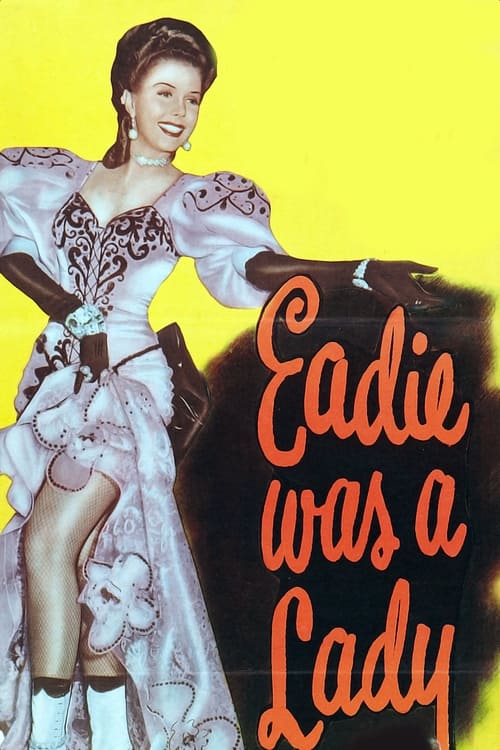
Eadie Was a Lady is a classic 1940s musical that adheres to traditional Hollywood storytelling. While it offers a female protagonist the opportunity to pursue professional goals, the narrative remains anchored in the social and gender norms of the time. The film serves as a vehicle for showcasing stardom rather than critiquing systemic power structures. It follows the studio system's standard practices, emphasizing individual success and social mobility within a homogeneous society. Overall, the production lacks significant diversity and does not challenge established norms, serving instead as a period-specific example of mid-century entertainment that reinforces existing social frameworks.
Category Breakdown
The film does not include any LGBTQ+ characters or narratives. Romantic and social interactions follow traditional 1940s conventions centered around heterosexual relationships.
The story focuses on a female protagonist who navigates professional success. However, her achievements are tied to a male authority figure, reinforcing traditional gender roles.
The cast is predominantly white, reflecting the era's emphasis on Eurocentric social norms. There is no diverse representation of different backgrounds.
The narrative highlights social mobility within a Western capitalist context. It upholds mid-century values related to social status and the pursuit of fame.
There are no characters with visible or invisible disabilities in the film. Disability is not used as a narrative device.
Present on Screen
Limited or Absent
Official Synopsis
In this amiable Columbia B musical, society girl Ann Miller escapes her Back Bay family by performing in the chorus line in a burlesque house. But trouble starts when her boss (William Wright) decides to build her up as a star. One of the many bread-and-butter Columbia productions graced by the contributions of Cole’s in-house dance studio. Cole dances behind Miller in “I’m Gonna See My Baby.” --Museum of Modern Art
1945
1954
1942
1933
1944

1945

1937
1947
No reviews yet. Be the first to share your thoughts on this movie!
Use the rating form above to leave a star rating and optional review.