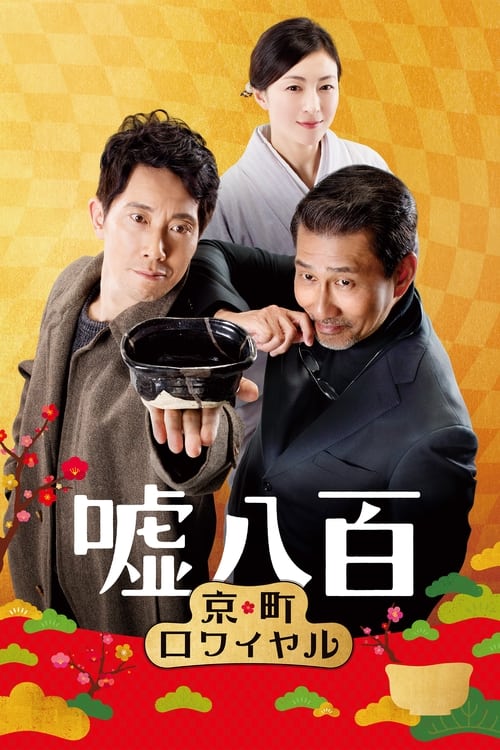
We Make Antiques! Kyoto Rendezvous
2020
No user ratings available yet
Representation score: 4.5 out of 10
Representation Score
Limited
2018
Director
Masaharu Take
Runtime
105 minutes
Average Rating
No ratings yetNew Showbiz Analysis
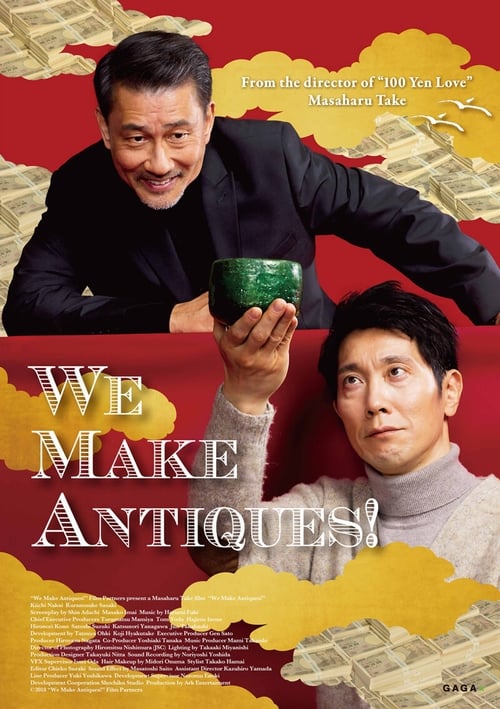
We Make Antiques! is a localized character study that emphasizes traditional Japanese social and professional structures. The comedy arises from the clash between historical legacy and modern commerce rather than social critique. The film adheres to a conventional framework, featuring a homogeneous cast of male professionals. While it lightly deconstructs traditional authority through supernatural means, it lacks complexity in addressing diverse identities. Overall, the narrative serves as a culturally specific comedy that does not incorporate diverse casting or identity-driven storytelling.
Category Breakdown
The film does not include any explicitly identified LGBTQ+ characters or non-straight relationships. The story revolves around three male protagonists and a historical figure.
The story centers on traditionally masculine roles, such as an antique dealer and a potter. It lacks female characters who play significant roles in the professional spaces.
Set in Sakai, the film reflects a homogeneous Japanese social environment. It does not feature actors from different ethnic backgrounds or explore ethnic diversity.
The film challenges tradition by introducing a 17th-century tea master into a modern setting. This disrupts the sanctity of historical reverence and professional expertise.
There is no documented evidence of characters with physical or neurodivergent disabilities within the narrative.
Present on Screen
Limited or Absent
Official Synopsis
Sakai is a city near Osaka by the bay famous for its swords in the old days and kitchen knives today. Norio is an antique dealer in the city. Sasuke is a potter in the city. Seventeenth century tea master Sen No Rikyu appears before them one day.
2020

2007
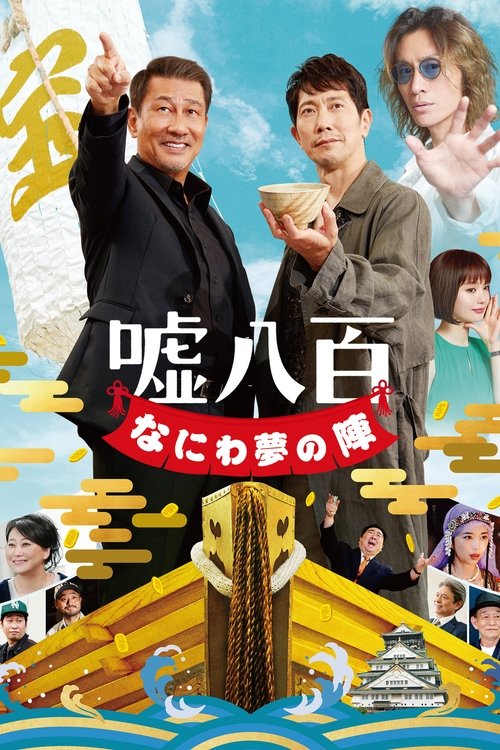
2023
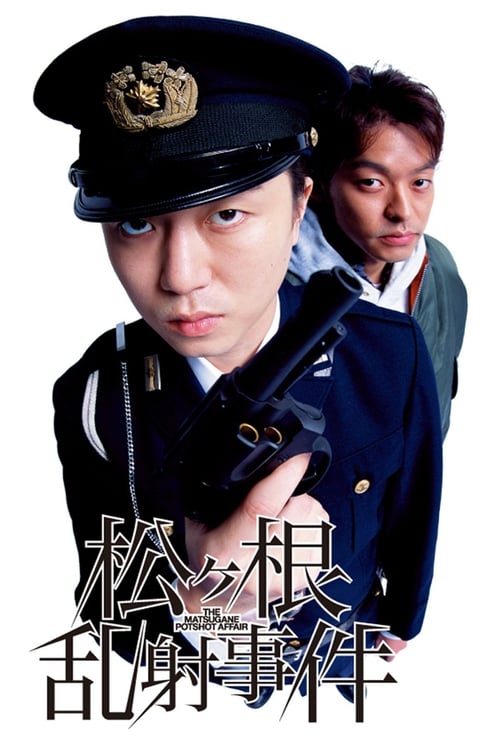
2007
1992
1967

2018
1998
No reviews yet. Be the first to share your thoughts on this movie!
Use the rating form above to leave a star rating and optional review.