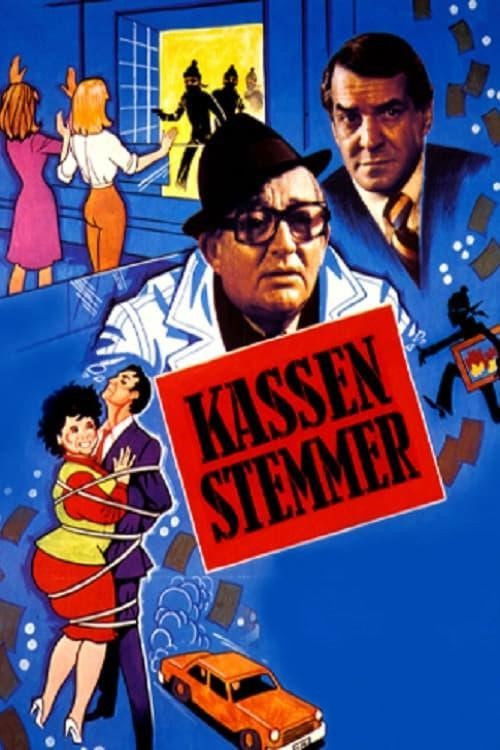
Kassen stemmer
1976
No user ratings available yet
Representation score: 2.7 out of 10
Representation Score
Limited
1967
Director
Sven Methling
Runtime
89 minutes
Average Rating
No ratings yetNew Showbiz Analysis
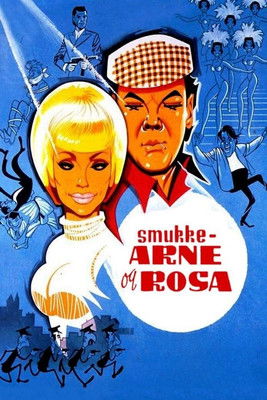
Smukke-Arne og Rosa is a classic heist-comedy that prioritizes entertainment over social commentary. The plot revolves around the tension between respectable banking institutions and the opportunistic protagonists, Arne and Rosa. The film adheres closely to the demographic and social norms of 1960s Denmark, avoiding any multi-layered frameworks. While it explores class conflict through its heist structure, it does not challenge established social hierarchies or offer a progressive critique of Western institutions.
Category Breakdown
The film does not include any characters with non-straight sexual orientations or same-sex relationships. The romantic and platonic relationships follow traditional 1960s archetypes.
Rosa plays a central role, but her influence is tied to domestic duties such as gardening. The story does not challenge traditional gender roles.
The film is set in 1967 Denmark, where the social environment reflects the homogeneous demographics typical of Scandinavian cinema from that time.
Crime and banking subversion are used to explore moral relativism. However, the film primarily serves as a traditional escapist comedy rather than a critical examination of societal structures.
There are no characters with visible or invisible disabilities mentioned in the film.
Present on Screen
Limited or Absent
Official Synopsis
Denmark, 1967. In the midst of a cultural renaissance, all cultured people want to support Danish cinema, especially when it receives funding from the film fund to shoot scenes on location in a bank. The respectable bankers naturally agree to play extras in their own bank and be a little cultured for just one evening. No one suspects that the film's script is the work of "Grosserer Nielsen" from Vesterport, alias "Smukke Arne." No one suspects why "Karate Smutti" is having a field day teaching physical exercises. No one suspects why little Mrs. Jensen in the attic across from Aktiebanken has two nice lodgers. No one knows why Rosa—Dad's own pet—is fussing over her window boxes in the porch. WHO relieved Aktiebanken of 2 million stray dollars is a mystery—except to Judge Vinter. But Handsome Arne and Rose are enjoying an expensive and wonderful vacation—far, far, far away from Denmark.
1976

1976
1984
1976
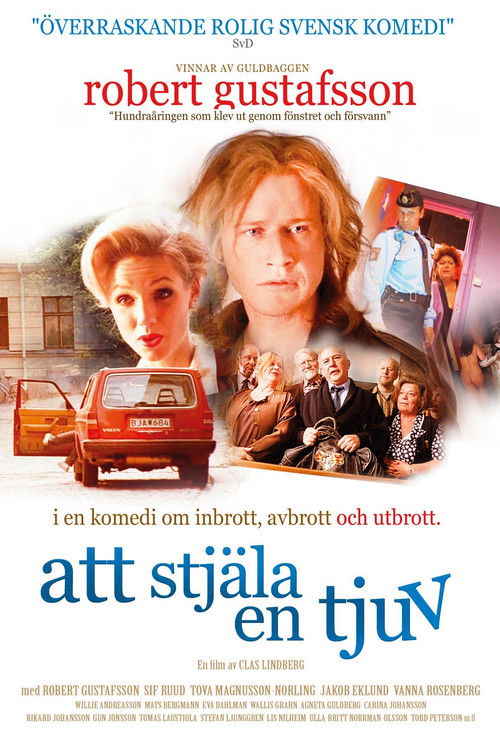
1996
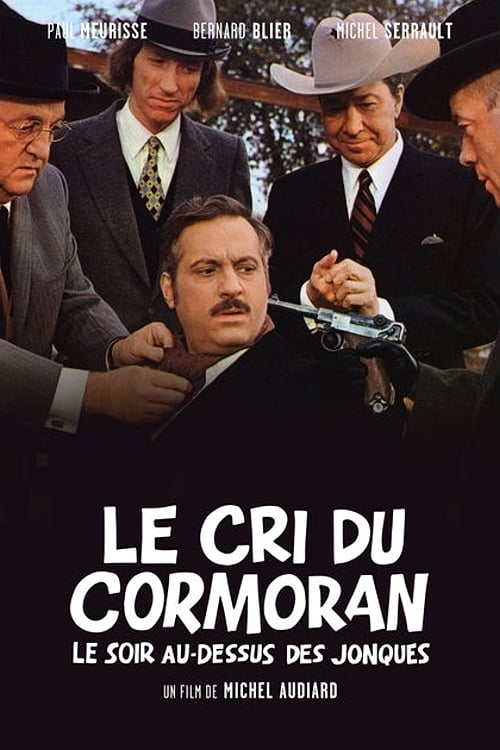
1971
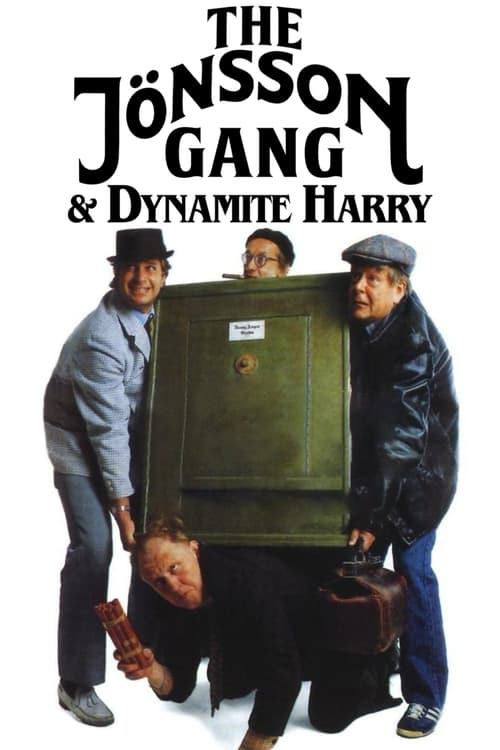
1982
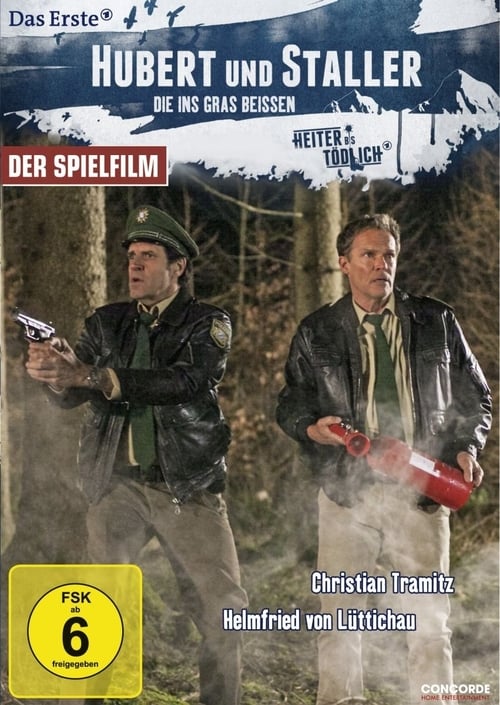
2013
No reviews yet. Be the first to share your thoughts on this movie!
Use the rating form above to leave a star rating and optional review.