
Play Misty for Me
1971
No user ratings available yet
Representation score: 1.6 out of 10
Representation Score
Limited
1990
RDirector
Rob Reiner
Runtime
107 minutes
Average Rating
No ratings yetNew Showbiz Analysis
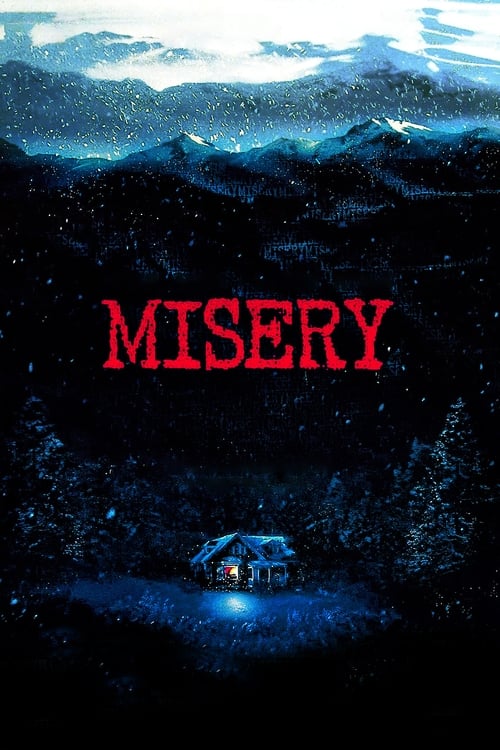
Misery is a character-driven thriller that excels in subverting traditional gender power dynamics. By stripping the male protagonist of his ability to act and granting absolute authority to the female antagonist, the film disrupts conventional clichés of the capable male lead. However, the film remains demographically homogeneous. The lack of racial and ethnic diversity, alongside a complete absence of LGBTQ+ representation, keeps the overall score low. The narrative is contained within a narrow, predominantly white socioeconomic framework. While the depiction of physical disability is grounded in the reality of the character's struggle, the film's primary impact comes from its psychological intensity rather than its social breadth.
Category Breakdown
The film does not include any LGBTQ+ characters and does not explore themes related to non-straight or non-cisgender identities. The story focuses entirely on the psychological conflict between the two main characters.
The narrative challenges traditional power dynamics by placing the male lead in a vulnerable position. Annie Wilkes dominates the power dynamics, challenging conventional depictions of femininity through her capacity for violence.
The cast is predominantly white, reflecting the period's casting norms and the story's setting. There is no significant presence of non-white or diverse ethnic characters.
The story centers on individual pathology rather than broader social or religious institutions. It functions as a psychological thriller driven by obsession rather than exploring broader cultural or religious contexts.
Paul Sheldon's physical impairment is a central plot driver following a car accident. The film avoids sentimental clichés, focusing instead on the grim reality of his lost autonomy.
Present on Screen
Limited or Absent
Official Synopsis
After an accident, acclaimed novelist Paul Sheldon is rescued by a nurse who claims to be his biggest fan. Her obsession takes a dark turn when she holds him captive in her remote Colorado home and forces him to write back to life the popular literary character he killed off.
1971

1962

2019
1965

1994

1993
1987

1972
No reviews yet. Be the first to share your thoughts on this movie!
Use the rating form above to leave a star rating and optional review.