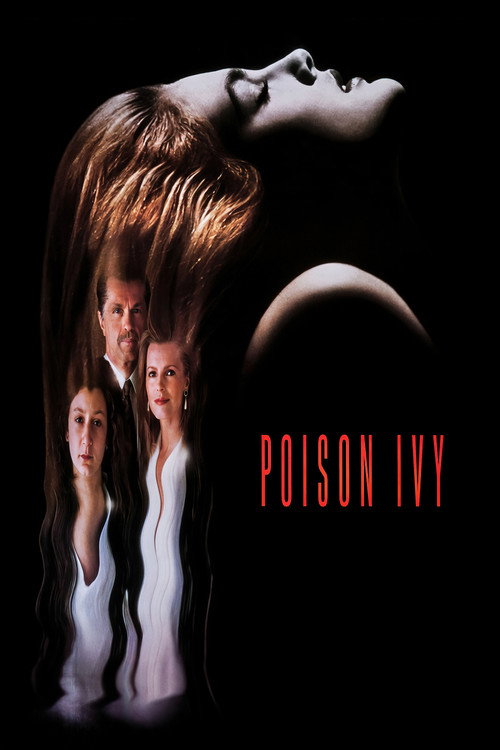
Poison Ivy
1992
No user ratings available yet
Representation score: 2.9 out of 10

Representation Score
Limited
1993
RDirector
Alan Shapiro
Runtime
89 minutes
Average Rating
No ratings yetNew Showbiz Analysis
The Crush is a conventional psychological thriller that prioritizes genre clichés over social or cultural representation. The narrative is built around a homogeneous demographic, which limits its multi-layered depth. While the film offers a minor subversion of gendered power dynamics through the female protagonist's manipulation of the male lead, it remains tethered to a standard thriller framework. It lacks any meaningful engagement with LGBTQ+ identities, racial diversity, or disability. Ultimately, the film functions as a study of individual pathology within a narrow, middle-class suburban lens, offering little in the way of broader cultural or systemic critiques.
Category Breakdown
The film does not include any visible LGBTQ+ characters or narratives. The central conflict revolves around a traditional, pathological heterosexual fixation.
The story challenges typical gender power dynamics by focusing on the significant role of a young female protagonist. She exerts psychological dominance over the adult male lead instead of being submissive.
The setting is a homogeneous, white, middle-class suburb. The film lacks racial or ethnic complexity and does not feature significant non-Anglo-Saxon identities.
The narrative adheres to traditional Western suburban social structures. It focuses on individual psychological dysfunction rather than engaging with broader cultural or systemic critiques.
There are no prominent depictions of physical or neurodivergent disabilities. The protagonist's obsessive behavior is framed as a character trait rather than a nuanced exploration of mental health.
Present on Screen
Limited or Absent
Official Synopsis
A precocious and obsessive teenager develops a crush on a naive writer with harrowing consequences.
1992
1971

2006
2002
1995
1976

2013
2009
No reviews yet. Be the first to share your thoughts on this movie!
Use the rating form above to leave a star rating and optional review.