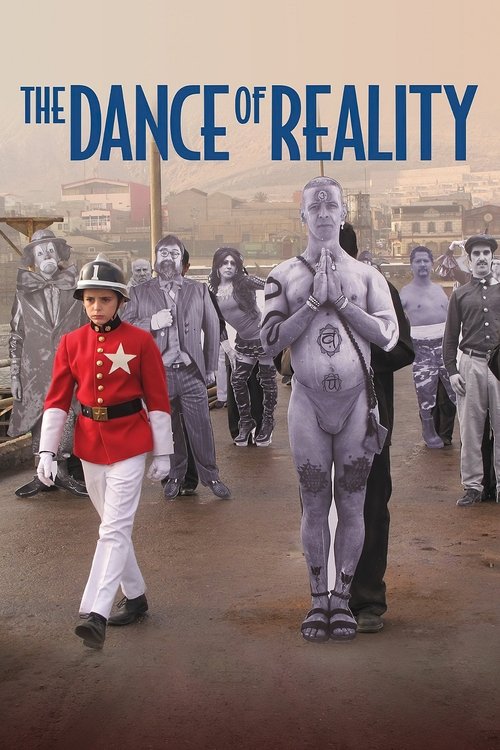
The Dance of Reality
2013
No user ratings available yet
Diversity score: 5.6 out of 10
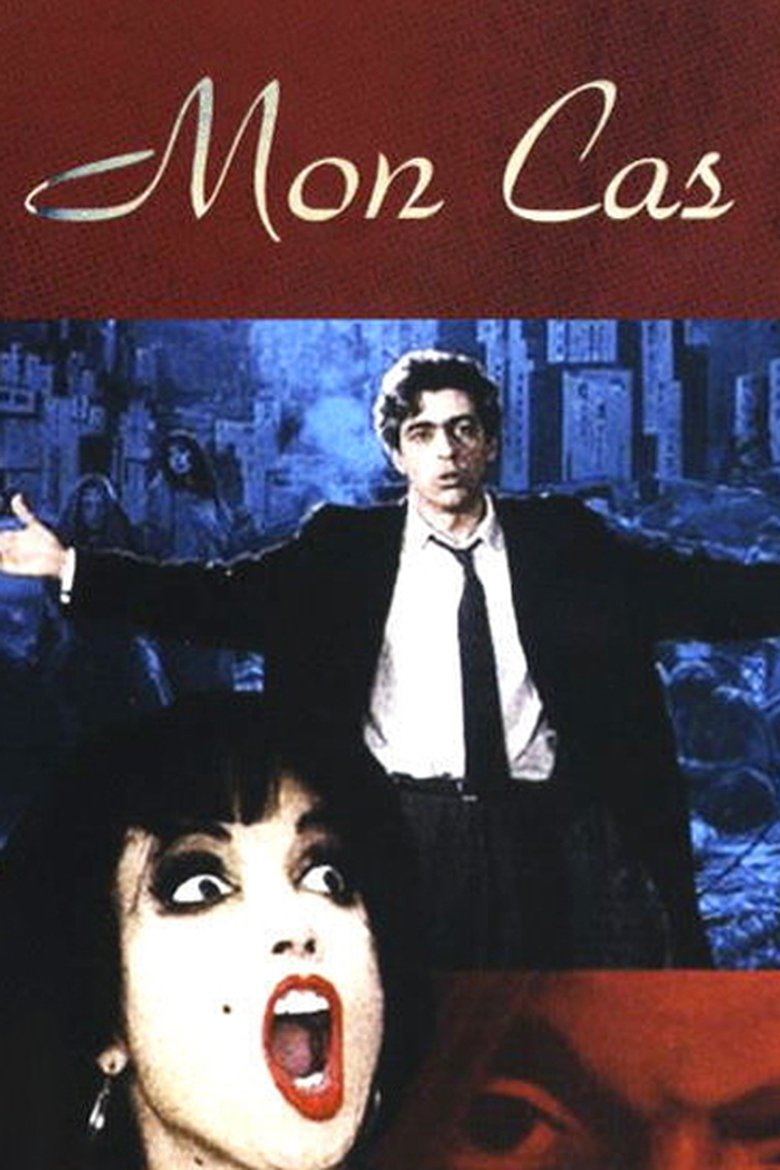
1986
Director
Manoel de Oliveira
Runtime
91 minutes
Average Rating
No ratings yetSynopsis
Manoel de Oliveira plays his film in three stages: the first part - a play, the second can be roughly defined as a silent film (with the behind the scenes read excerpts from Beckett works), but in the end the director brilliantly performs the same material of the avant-garde exercise. Surprisingly, a joke, repeated three times, each time everything sounds fresh and develops into an almost verbatim adaptation of the biblical "Book of Job" - a spectacular point in a parable about how hard to empathize with other people's misery, when you have your own.
Overall Score
Fair
Category Breakdown
LGBTQ+ Representation
The film functions as an avant-garde parable rather than a character-driven study of identity. There is no explicit evidence of queer themes or specific LGBTQ+ character arcs.
Gender Representation
The tripartite structure subverts traditional dramatic hierarchies and protagonist agency. However, the film lacks specific character details to address gendered tropes directly.
Racial & Ethnic Diversity
As a European production by a Portuguese director, the film lacks indicators of a diverse or non-Anglo-Saxon majority cast. It reflects a standard baseline for period art-house cinema.
Religious & Cultural Diversity
The film offers a sophisticated critique of religious archetypes through its adaptation of the Book of Job. It prioritizes existentialism and situational ethics over singular Christian morality.
Disability Representation
The narrative engages with human misery and psychological struggle. However, there is no specific evidence regarding the portrayal of physical or neurodivergent disabilities.
Strengths
Areas for Improvement
AI Analysis
Manoel de Oliveira’s *My Case* is an intellectual exercise that prioritizes philosophical inquiry over demographic representation. It uses a repetitive, Beckettian structure to deconstruct traditional storytelling, which provides a form of structural subversion rather than overt social commentary. The film excels in cultural representation by challenging religious certainty and exploring the complexities of empathy. By reframing biblical themes through an avant-garde lens, it engages with secular and existentialist values. While the work lacks explicit character-driven diversity in terms of race, gender, or LGBTQ+ identity, its strength lies in its ability to disrupt conventional narrative frameworks and moral certainties.
2013
1988

2010
2015

1992

2000
1991

1982
2001

2014
1970
1981
No reviews yet. Be the first to share your thoughts on this movie!
Use the rating form above to leave a star rating and optional review.