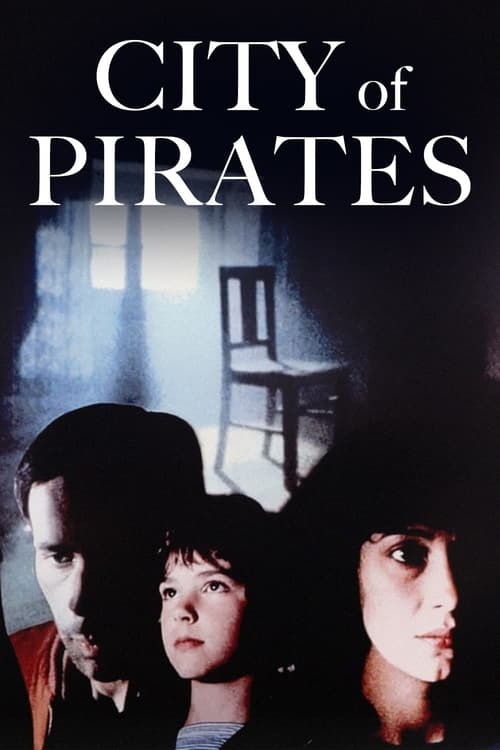
City of Pirates
1984
No user ratings available yet
Representation score: 7.5 out of 10
Representation Score
Good
2000
Director
Raúl Ruiz
Runtime
123 minutes
Average Rating
No ratings yetNew Showbiz Analysis
Raúl Ruiz uses a surreal, non-linear style to challenge institutional authority and traditional storytelling. The film operates as a philosophical fable that emphasizes moral ambiguity over strict social structures. It excels at overturning gendered expectations and religious dogma. By putting nuns in unconventional economic roles, the film upends typical feminine archetypes and critiques Western institutional norms. However, the film’s emphasis on philosophical paradoxes leaves some areas underdeveloped. The absence of explicit LGBTQ+ details prevents a thorough assessment of its inclusivity.
Category Breakdown
The film examines unusual social setups and ironic contradictions. It challenges traditional religious and sexual norms but doesn't show explicit depictions of LGBTQ identities or intimate relationships.
Women hold positions of economic power and leadership through retired nuns running a brothel. This breaks traditional stereotypes of submissive or purely ascetic female figures.
The narrative centers on philosophical and situational paradoxes. There is no specific information about the racial makeup of the cast or character backgrounds.
The film dismantles singular Christian morality by contrasting faith with the practicalities of a brothel. It employs a postmodern perspective to question institutional doctrine.
A group of blind children serves as a key narrative element. They have ability to act by trying to guide unbelievers, avoiding a portrayal based solely on pity.
Present on Screen
Limited or Absent
Official Synopsis
A serious young man of free spirit is forced by his surroundings to become rich at all costs. A group of blind children tries to open the eyes of the unbelievers to the Christian faith. Retired nuns who open a brothel, to pay the running costs of the convent. These rather ironic paradoxes turn this fairytale into a philosophical fable.
1984
1960
1987
1974

1987

2018
1974

1974
No reviews yet. Be the first to share your thoughts on this movie!
Use the rating form above to leave a star rating and optional review.