
Railway Bar
1992
No user ratings available yet
Representation score: 7.1 out of 10
Representation Score
Fair
2006
Not RatedDirector
Daniel Duval
Runtime
94 minutes
Average Rating
No ratings yetNew Showbiz Analysis
Le Temps des porte-plumes serves as a character-driven exploration that questions mid-century domestic norms. By highlighting the tension between state institutions and personal lives, the film emphasizes the lived experiences of individuals on the social margins. While the film lacks broad demographic diversity, it excels in its thematic examination of subjective morality and unconventional companionship. However, the historical setting restricts the scope of racial and ethnic diversity, limiting the film’s multi-layered reach.
Category Breakdown
The film examines a child being raised by a couple outside the typical mid-century nuclear family structure. While specific identities are not explicitly stated, the narrative deviates from conventional family arrangements.
Set in the 1950s, the story provides insight into the complexities of gender roles through a child's viewpoint. It portrays domestic power relations as multifaceted and situation-dependent rather than strictly hierarchical.
The film seems to mirror the homogeneous demographics of 1950s France, focusing on a localized, Eurocentric social experience with limited diversity.
The narrative critiques Western institutions by centering on a child's interaction with state social services. It challenges the idealized family unit in favor of more intricate domestic realities.
The film does not include characters facing physical, neurodivergent, or mental health challenges.
Present on Screen
Limited or Absent
Official Synopsis
In 1950s France, a young boy is taken in by a couple after spending a few months in the care of social service.
1992

2015

2005
1967
1999
1994
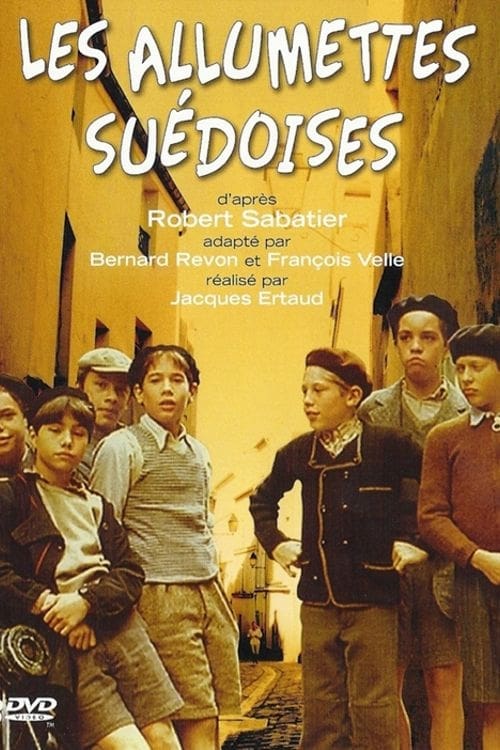
1996

2012
No reviews yet. Be the first to share your thoughts on this movie!
Use the rating form above to leave a star rating and optional review.