ReMoved
2013
No user ratings available yet
Representation score: 2.1 out of 10
Representation Score
Fair
1999
Director
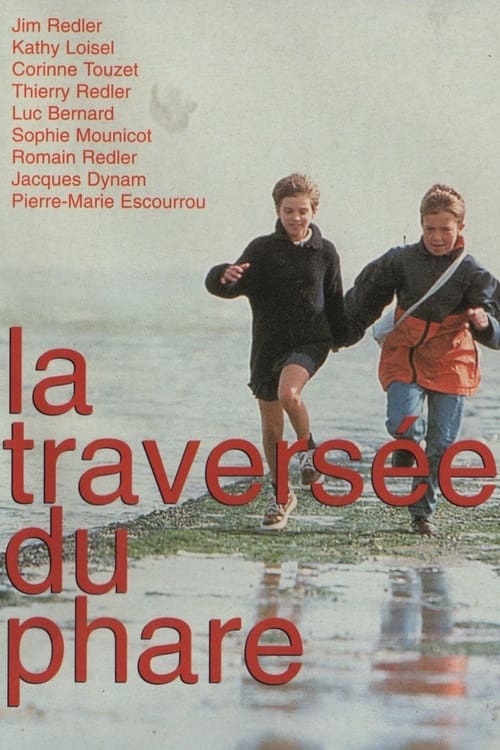
Thierry Redler
Runtime
96 minutes
Average Rating
No ratings yetNew Showbiz Analysis
Crossing the Lighthouse serves as a character study that prioritizes systemic vulnerability over traditional domestic stability. By focusing on two ten-year-old protagonists from broken families, the film shifts the narrative lens away from the nuclear family toward the margins of institutionalized care. While the work offers a meaningful departure from hierarchy-driven storytelling, it lacks explicit markers of diversity. There is no clear evidence of racial diversity or specific LGBTQ+ representation within the provided context. Ultimately, the film's strength lies in its structural critique of social institutions. It explores the complexities of childhood within the foster care system, providing a lens into lives shaped by displacement.
Category Breakdown
The film does not explicitly depict non-straight identities or provide specific character arcs related to LGBTQ+ themes. It maintains a neutral stance regarding sexual orientation.
By focusing on children in foster care, the film disrupts traditional gender roles and family structures. It avoids the cliché of the stable, competent parental household found in conventional dramas.
The narrative provides no specific information about the racial or ethnic backgrounds of the characters. Therefore, the racial diversity of the production cannot be determined.
The story challenges the sanctity of the traditional Western family unit. It focuses on systemic instability and the lived experiences of those navigating institutionalized care.
There is no explicit mention of physical or neurodivergent disabilities. However, the focus on foster care suggests a potential exploration of emotional instability and trauma.
Present on Screen
Limited or Absent
Official Synopsis
Two kids about ten years old meet within a very peculiar framework: both come from broken families and are in care of foster homes...
2013

2015
2001
2016
2012

1999

2011

2023
No reviews yet. Be the first to share your thoughts on this movie!
Use the rating form above to leave a star rating and optional review.