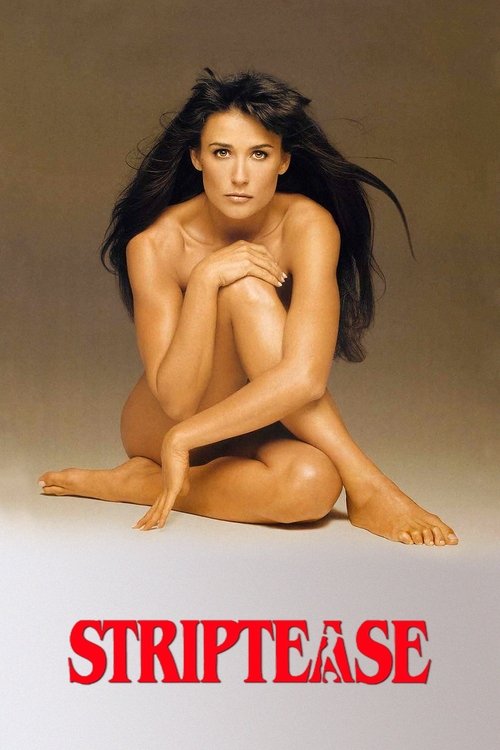
Striptease
1996
No user ratings available yet
Representation score: 3.4 out of 10
Representation Score
Good
1995
RDirector
Gus Van Sant
Runtime
106 minutes
Average Rating
No ratings yetNew Showbiz Analysis
Gus Van Sant’s film is a sharp critique of media artifice that succeeds through its sophisticated subversion of gendered power dynamics. Suzanne Stone’s ruthless actions challenge traditional archetypes by making masculinity appear vulnerable and easily manipulated. However, the film is limited by a narrow social lens. The lack of racial and LGBTQ+ diversity creates a homogeneous environment that misses opportunities for deeper exploration. The narrative remains confined to a specific, white, media-centric socioeconomic bubble. Ultimately, the work is a postmodern study of celebrity culture. It trades traditional moral growth for a cynical deconstruction of how status is pursued within corrupt institutional structures.
Category Breakdown
The film focuses almost exclusively on heterosexual relationships and traditional gender roles. It lacks explicit LGBTQ+ identities or diverse gender expressions, concentrating instead on 1990s media obsession.
Suzanne Stone challenges traditional gender roles by acting as the primary architect of the plot. She is depicted as intellectually superior and strategically ahead of the men in her life.
The cast is predominantly white, reflecting a homogeneous social environment. This focus on the Los Angeles media elite results in a narrative lacking depth in terms of race and ethnicity.
The film excels in critiquing Western institutional structures and the media-capitalist complex. It embraces moral relativism and depicts the traditional family unit as a site of dysfunction.
There is no significant focus on visible or invisible disabilities. Characters are defined by their social utility and media personas rather than physical or neurodivergent conditions.
Present on Screen
Limited or Absent
Official Synopsis
Suzanne Stone wants to be a world-famous news anchor and she is willing to do anything to get what she wants. What she lacks in intelligence, she makes up for in cold determination and diabolical wiles. As she pursues her goal with relentless focus, she is forced to destroy anything and anyone that may stand in her way, regardless of the ultimate cost or means necessary.
1996
1993
1982
1994
2014
1957

2017
1950
No reviews yet. Be the first to share your thoughts on this movie!
Use the rating form above to leave a star rating and optional review.