Barton Fink
1991
No user ratings available yet
Representation score: 4.4 out of 10
Representation Score
Limited
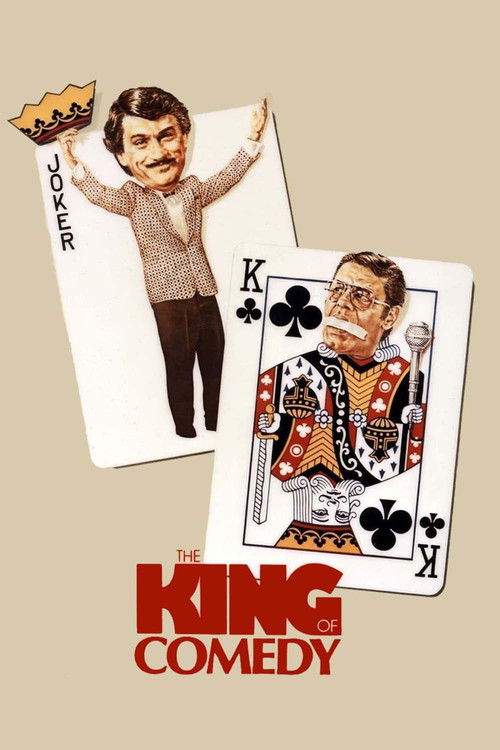
1982
PGDirector
Martin Scorsese
Runtime
109 minutes
Average Rating
No ratings yetNew Showbiz Analysis
Martin Scorsese’s character study is a profound deconstruction of identity and media consumption. It challenges standard moral frameworks and explores the darker side of fame. However, the film remains traditional and homogeneous, focusing on a narrow, male-centric, and racially singular perspective. Ultimately, the work’s strength lies in its structural subversion of social norms rather than its inclusive representation of diverse identities.
Category Breakdown
The film does not include any LGBTQ+ characters or explore non-cisgender identities. The story focuses on a male-dominated professional world and traditional social structures.
Female characters play minor roles and do not significantly influence the plot. The film follows a male-centric structure that does not challenge traditional gender roles.
The cast is predominantly white and reflects the homogeneity of the 1980s New York entertainment scene. The narrative lacks depth in representing diverse racial backgrounds.
The film critiques the capitalist pursuit of fame and explores moral relativism through a protagonist who sees criminal activity as a career choice.
The story examines psychological instability and obsessive behaviors but does not feature characters with recognized physical or sensory disabilities.
Present on Screen
Limited or Absent
Official Synopsis
Aspiring comic Rupert Pupkin attempts to achieve success in show business by stalking his idol, a late night talk-show host who craves his own privacy.
1991
1978

2017
1975
1999

1983

1995

1976
No reviews yet. Be the first to share your thoughts on this movie!
Use the rating form above to leave a star rating and optional review.