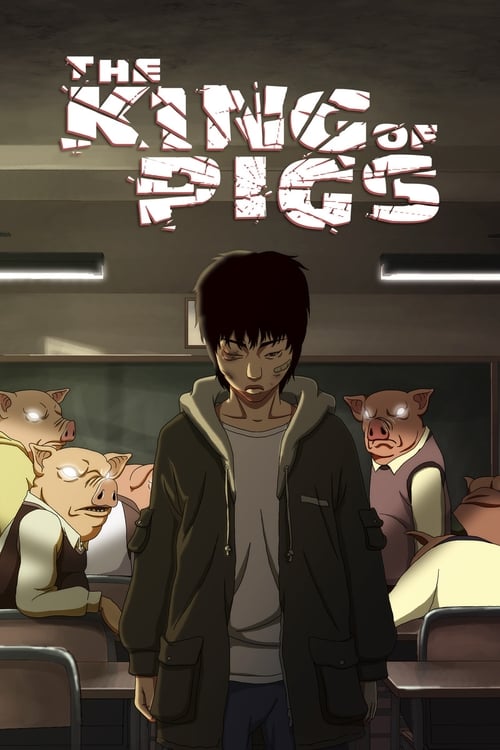
The King of Pigs
2011
No user ratings available yet
Representation score: 5.3 out of 10

Representation Score
Fair
2013
Director
Yeon Sang-ho
Runtime
101 minutes
Average Rating
No ratings yetNew Showbiz Analysis
The film is a powerful critique of institutionalized faith and communal corruption. Its primary strength lies in its deconstruction of organized religion, portraying it as a tool for exploitation rather than a moral guide. The film effectively examines how power and capitalism intersect within a local village setting. However, the film lacks overt focus on identity-based representation. There is little to no engagement with LGBTQ+ themes or disability representation. The narrative remains tightly focused on the conflict between systemic corruption and individual morality, which limits its breadth regarding diverse social identities.
Category Breakdown
The film focuses on religious fanaticism and family issues but lacks explicit LGBTQ+ storylines or critiques of the assumption that everyone is straight or cisgender.
The story centers on a protagonist navigating communal power structures. While gendered dynamics are not explicitly detailed, the protagonist's return suggests a potential challenge to established social roles.
As a South Korean production, the film offers a culturally specific perspective. It provides a non-Western viewpoint on institutional corruption, challenging Anglo-centric cinematic norms.
The film offers a sophisticated critique of religious institutions. It portrays organized dogma as a predatory mechanism used for capital accumulation and systemic exploitation.
The film does not provide specific information regarding the depiction of physical or neurodivergent disabilities.
Present on Screen
Limited or Absent
Official Synopsis
A convict returns to his home town to again torture his family, face his neighbors and try to destroy the local religious fanatics and their plans to keep money from the village people.
2011

2013

2012
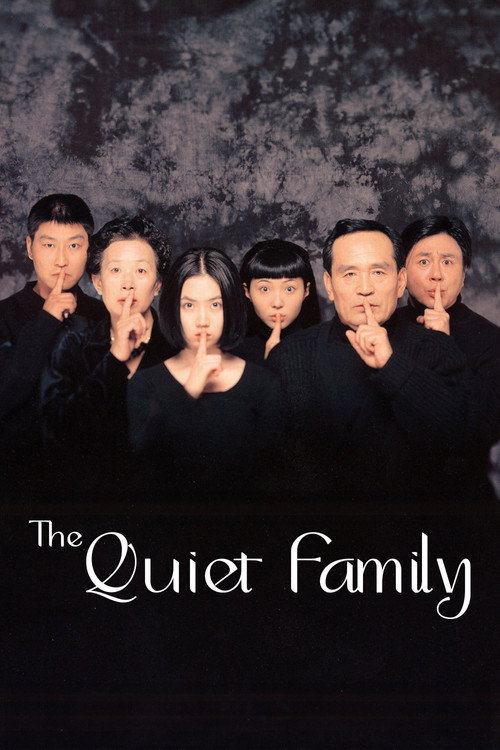
1998

2022

2000

2015
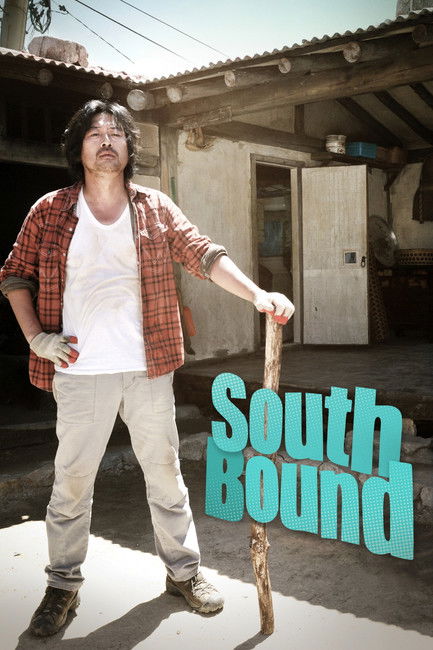
2013
No reviews yet. Be the first to share your thoughts on this movie!
Use the rating form above to leave a star rating and optional review.