
The Fake
2013
No user ratings available yet
Representation score: 5.6 out of 10
Representation Score
Fair
2011
Director
Yeon Sang-ho
Runtime
97 minutes
Average Rating
No ratings yetNew Showbiz Analysis
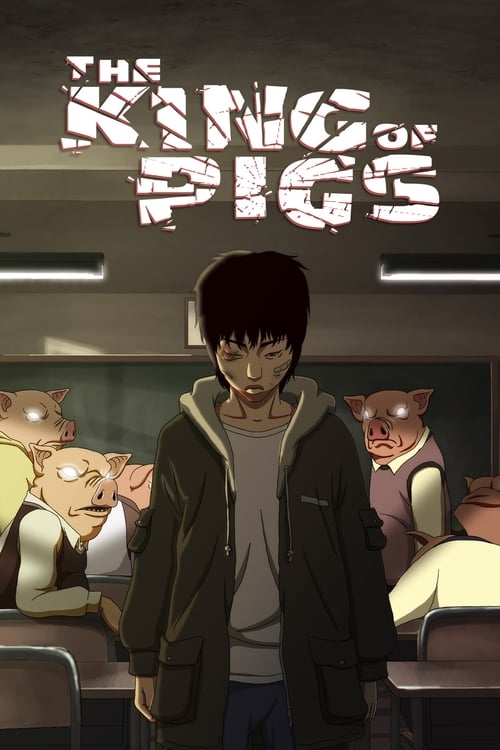
The King of Pigs is a harsh critique of social hierarchies that emphasizes systemic issues over demographic diversity. It effectively uses class and institutional failure as central themes, providing a deep look at how social structures breed corruption. However, the film’s focus on male-centric violence leaves little room for diverse identities or ability to act outside the central male struggle. Women and LGBTQ+ individuals are underrepresented. Ultimately, the film prioritizes a thorough examination of socioeconomic status and moral relativism over inclusive character casting.
Category Breakdown
The film focuses almost exclusively on hyper-masculine dynamics and violent social hierarchies. There are no LGBTQ+ characters or non-straight identities in the main story.
Masculinity is shown through extreme violence and dominance. Female characters are on the sidelines and serve as supporting figures rather than driving the plot.
As a South Korean production, the cast is fairly uniform. The film uses class differences to explore socioeconomic divides rather than ethnic diversity.
The narrative rigorously critiques oppressive social institutions and school systems. It frames social decay as a systemic issue, challenging traditional views.
The story touches on psychological trauma and mental health struggles, which primarily drive the thriller plot rather than exploring disability with nuance.
Present on Screen
Limited or Absent
Official Synopsis
Two friends, Jung Jong-suk and Hwang Kyung-min, meet after several years and talk about their time in school, which left them scarred.
2013

2009

2012

2013
2011

2012
2013
2016
No reviews yet. Be the first to share your thoughts on this movie!
Use the rating form above to leave a star rating and optional review.