The Way I Spent the End of the World
2006
No user ratings available yet
Diversity score: 5.1 out of 10
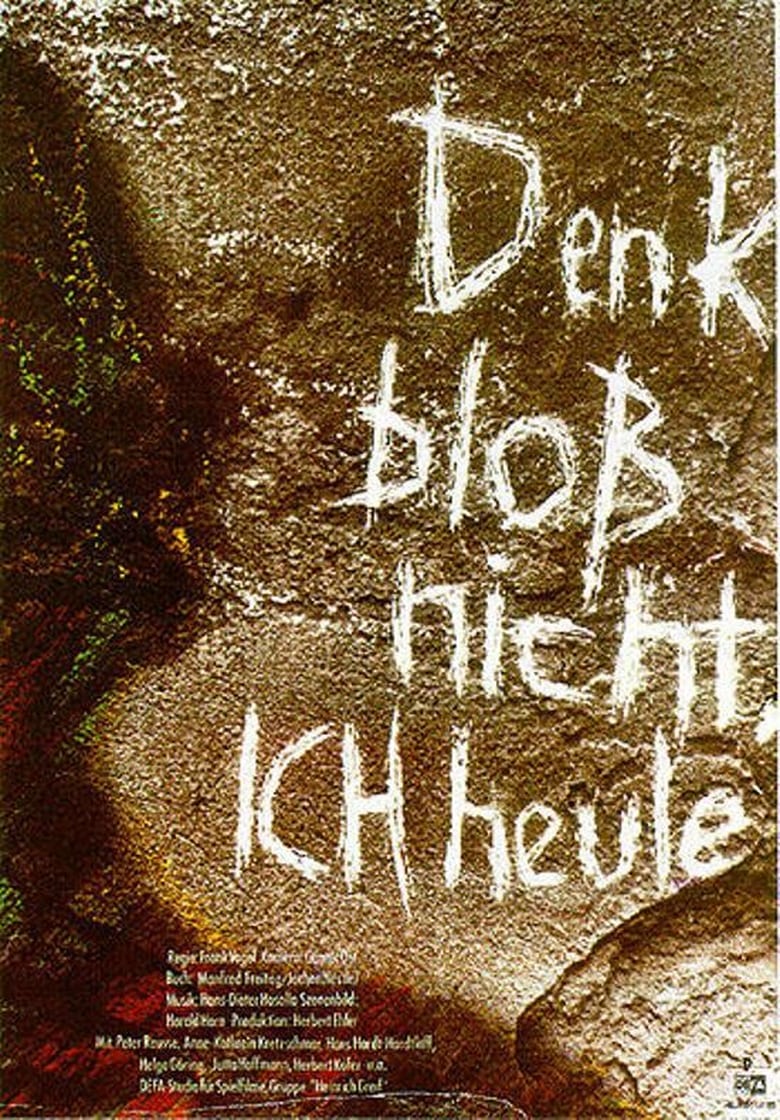
1965
Director
Frank Vogel
Runtime
91 minutes
Average Rating
No ratings yetSynopsis
High-school senior Peter considers the adults around him to be hypocritical, self-congratulatory, and immersed in the past. He gets suspended for writing an essay that his teachers consider to be a challenge to the state. Just Don't Think I'll Cry became one of twelve films and film projects-almost an entire year's production-that were banned in 1965-1966 due to their alleged anti-socialist aspects. Although scenes and dialogs were altered and the end was reshot twice, officials condemned this title as "particularly harmful." In 1989, cinematographer Ost restored the original version, and this and most of the other banned films were finally screened in January 1990. Belatedly, they were acclaimed as masterpieces of critical realism.
Overall Score
Fair
Category Breakdown
LGBTQ+ Representation
The narrative focuses on political and generational friction. There is no explicit evidence of non-heteronormative identities or same-sex intimacy.
Gender Representation
The film centers on a youth protagonist challenging hypocritical adult authority. This structure suggests a subversion of traditional patriarchal roles.
Racial & Ethnic Diversity
Produced in 1965 East Germany, the film likely reflects the demographic homogeneity of that era. No significant ethnic blending is evident.
Religious & Cultural Diversity
The film offers a profound critique of state-mandated morality and institutional stability. It uses critical realism to explore the friction between individual truth and dogma.
Disability Representation
There is no information available regarding the portrayal of physical or neurodivergent disabilities.
Strengths
Areas for Improvement
AI Analysis
Just Don't Think I'll Cry is a work of critical realism that prioritizes social observation over state-sanctioned idealism. Its strength lies in its cultural subversion, using a student's rebellion to deconstruct institutional power and hypocrisy. However, the film lacks demographic breadth. The focus on political and generational conflict leaves little room for visible LGBTQ+ or racial diversity, reflecting the historical context of 1965 East Germany. Ultimately, the film is a masterpiece of systemic critique rather than a showcase for diverse identity representation.
2006
1973
1965
1970
1989
1971
1966
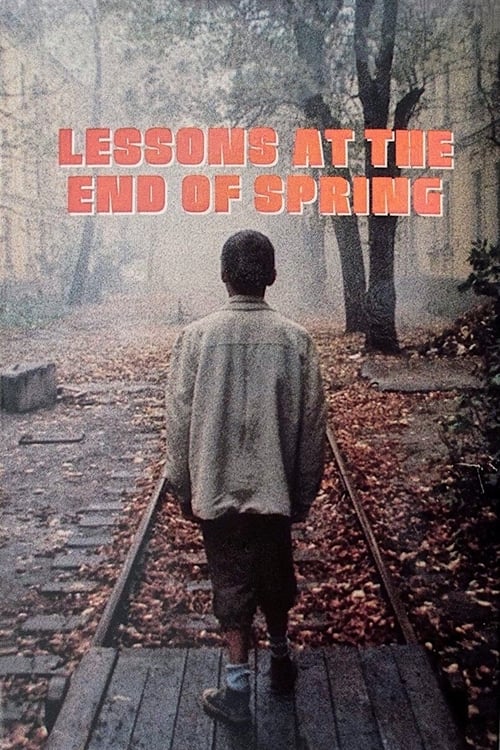
1990
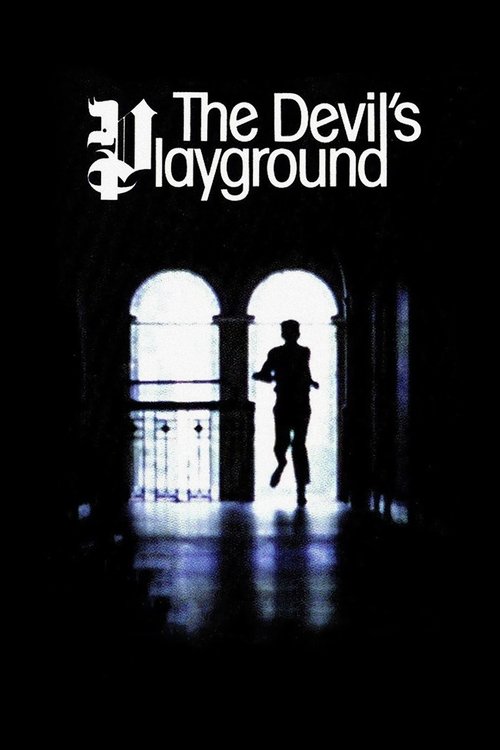
1977
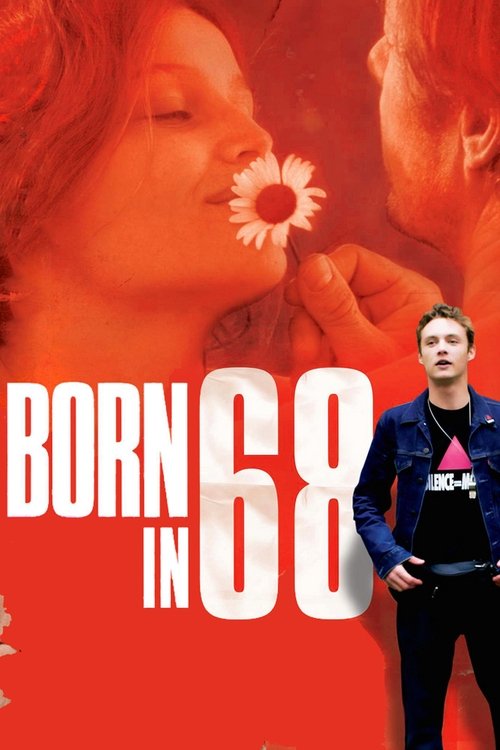
2008
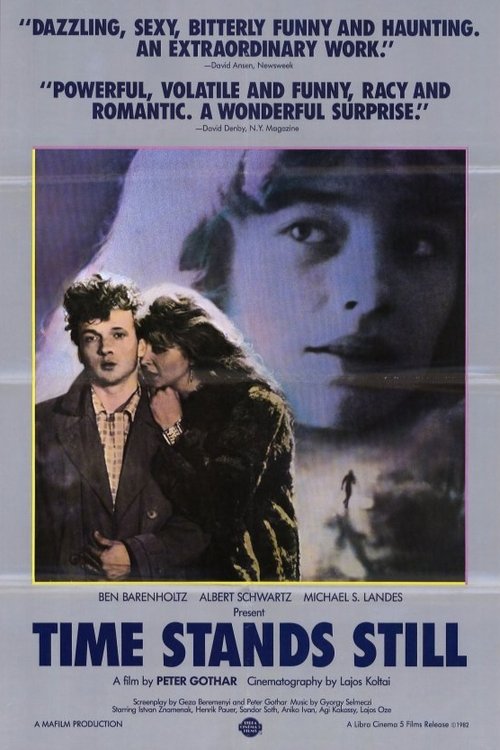
1982
1975
No reviews yet. Be the first to share your thoughts on this movie!
Use the rating form above to leave a star rating and optional review.