
One Hour with You
1932
No user ratings available yet
Representation score: 3.3 out of 10

Representation Score
Minimal
1934
Director
J. Walter Ruben
Runtime
72 minutes
Average Rating
No ratings yetNew Showbiz Analysis
Where Sinners Meet is a classic product of 1930s Hollywood, focusing on individual romantic conflicts without exploring broader social issues. The film adheres closely to the demographic and social norms of its time. While Fay Wray’s character is given emotional complexity and ability to act, the film does not aim to challenge the conventional social expectations of the era. It remains a mainstream romantic comedy-drama that upholds the societal norms of the 1930s. Overall, the film offers minimal representation for diverse identities, presenting a standardized and homogeneous view of society.
Category Breakdown
The film follows a traditional romantic storyline without any characters who identify outside of the cisgender norm. It does not challenge the idea that everyone is straight or cisgender.
Fay Wray’s character plays a significant role in driving the story through her emotional journey. However, the film sticks to the conventional gender roles and romantic expectations of the 1930s.
The cast and setting appear mostly uniform, with no characters of color having a substantial impact on the story within this Anglo-centric environment.
The narrative functions as a typical romantic comedy-drama without critiquing religious morality. It upholds the social norms of its era without emphasizing secular values.
There are no characters with physical or neurodivergent disabilities in the film. Disability is not used as a central theme or plot device.
Present on Screen
Limited or Absent
Official Synopsis
A pair of lovers are secreting away to Paris for a quick divorce and marriage when they find themselves trapped in a "hotel" where they are forced to get to know each other better and reconsider their plans. They learn a lot about each other, and themselves.
1932

1952
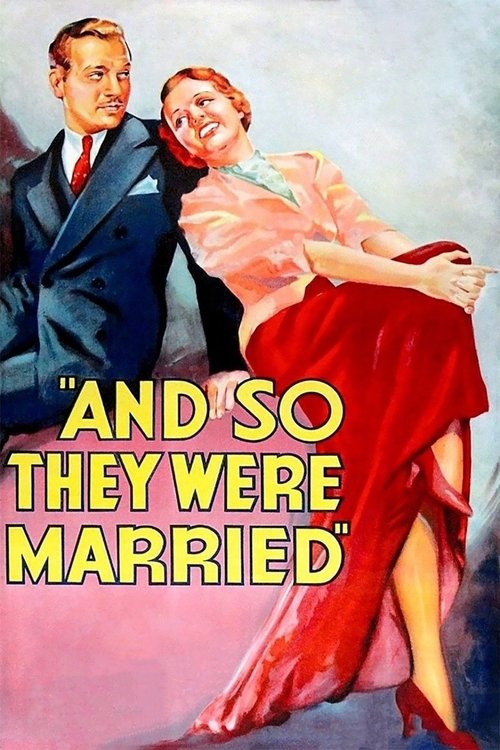
1936

1937
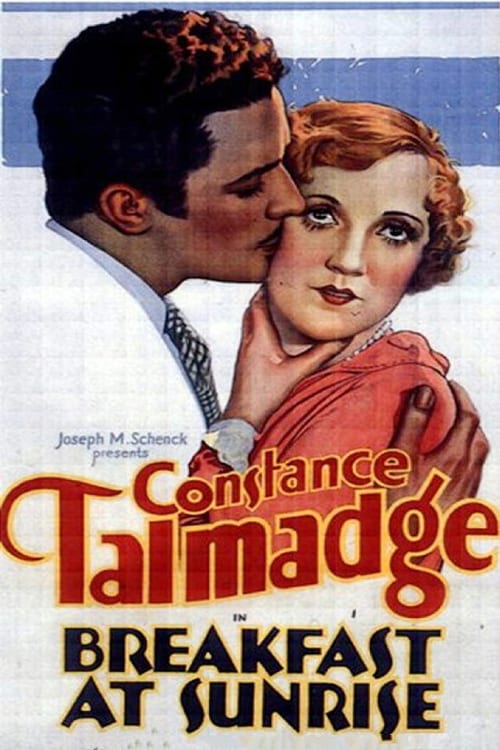
1927
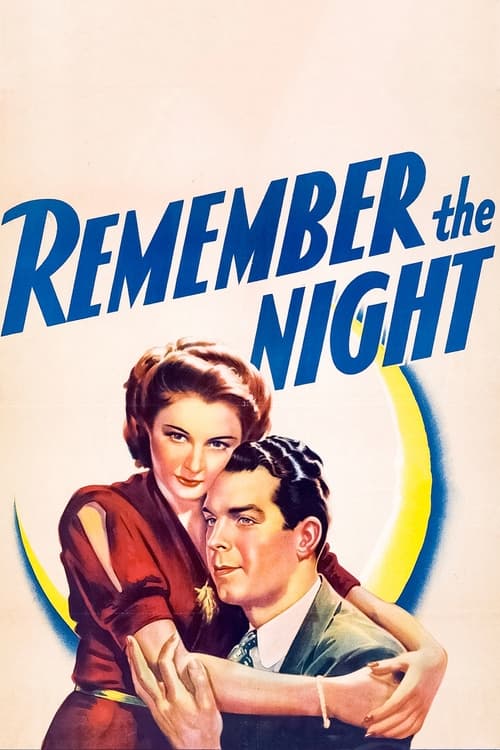
1940
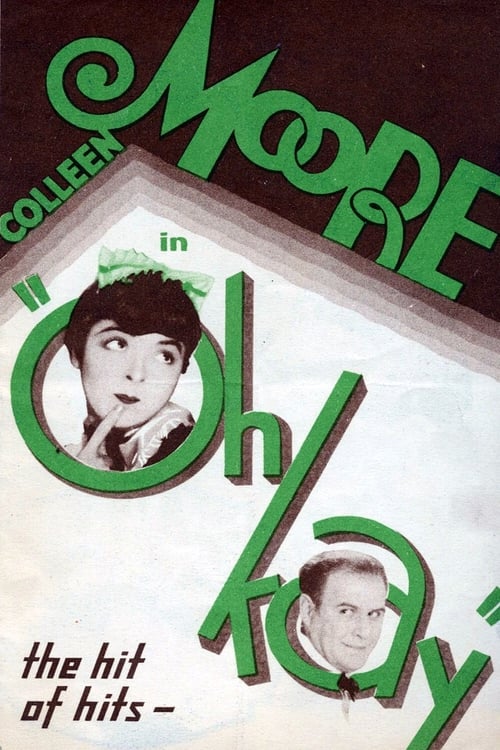
1928

1934
No reviews yet. Be the first to share your thoughts on this movie!
Use the rating form above to leave a star rating and optional review.