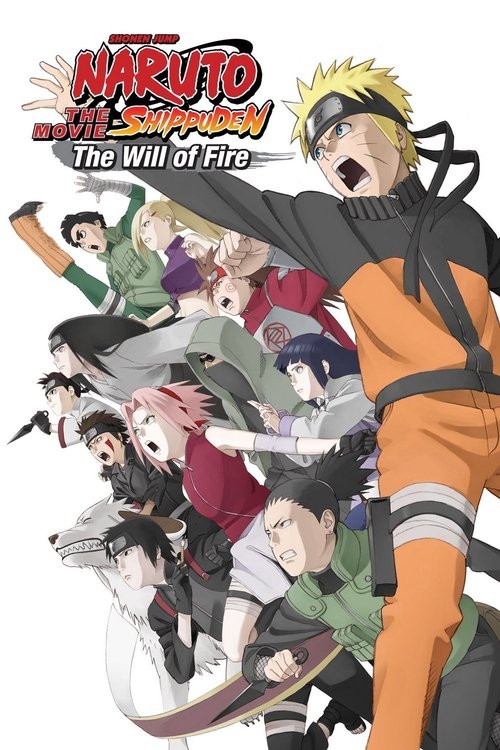
Naruto Shippuden the Movie: The Will of Fire
2009
No user ratings available yet
Representation score: 3.8 out of 10
Representation Score
Limited
2008
PG-13Director
Hajime Kamegaki
Runtime
90 minutes
Average Rating
No ratings yetNew Showbiz Analysis
The film exemplifies traditional shonen genre storytelling. It prioritizes fast-paced action and reinforcing core franchise themes over exploring diverse identities or disrupting social hierarchies. While the world-building includes internal diversity through varied clan histories and visual aesthetics, the narrative structure is designed to maintain existing structures. The focus remains on communal loyalty and the strength of established social orders. Ultimately, the work adheres to a conservative narrative path. It celebrates traditional bonds and institutional duty rather than challenging systemic norms or gendered hierarchies.
Category Breakdown
The film does not include any LGBTQ+ characters or representations of non-straight identities. Relationships and conflicts are based on heterosexual norms and friendly competition.
Female characters such as Sakura Haruno are shown as strong fighters, but the story focuses primarily on male protagonists. Power dynamics revolve around traditional masculine ideals of strength and courage.
A fantasy-based clan system stands in for lineage and identity. However, the cast remains predominantly uniform within the typical ninja identity.
The narrative emphasizes loyalty to the village and the authority of its leaders. It upholds traditional values of protecting the community and maintaining institutional stability.
There is no significant focus on visible or invisible disabilities. Physical injuries are treated as standard combat elements rather than a deeper look into disability.
Present on Screen
Limited or Absent
Official Synopsis
A mysterious group of ninjas makes a surprise attack on the Konohagakure, which takes great damage. The nightmare of another Shinobi World War could become a reality. Sasuke, who was still a missing nin from Konoha trying to kill his brother, Itachi, appears for the second time in front of Naruto at an unknown location to prevent it from happening.
2009
2007

2012
2007
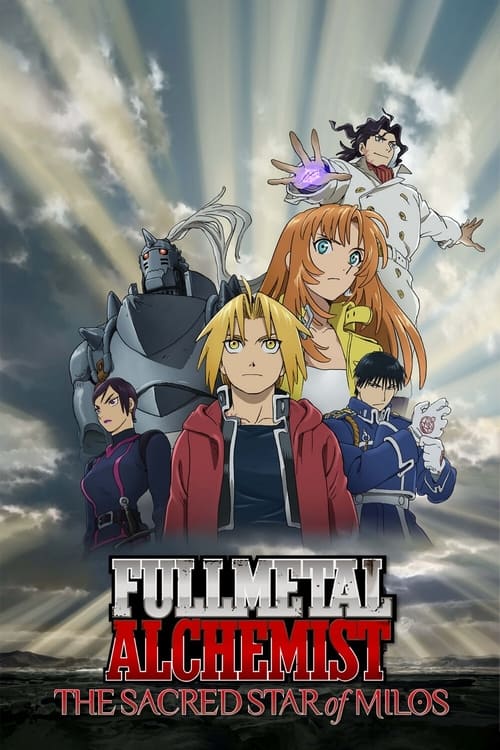
2011
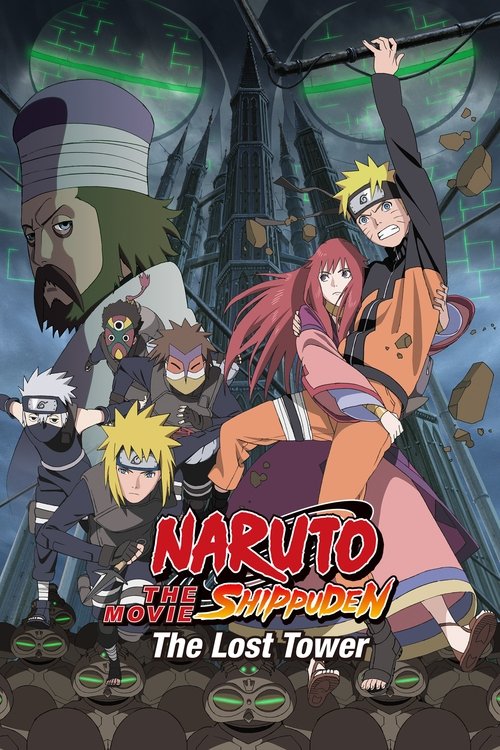
2010
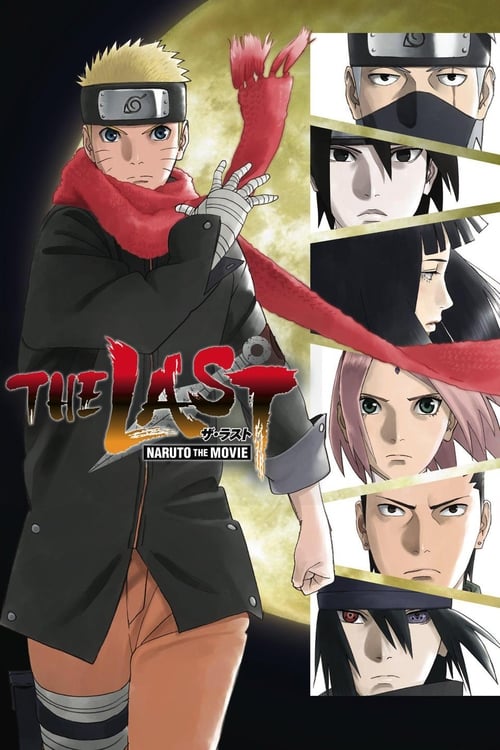
2014
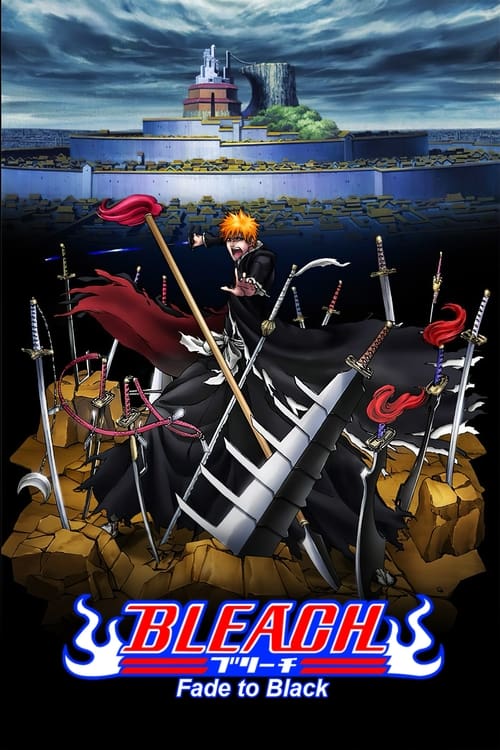
2008
No reviews yet. Be the first to share your thoughts on this movie!
Use the rating form above to leave a star rating and optional review.