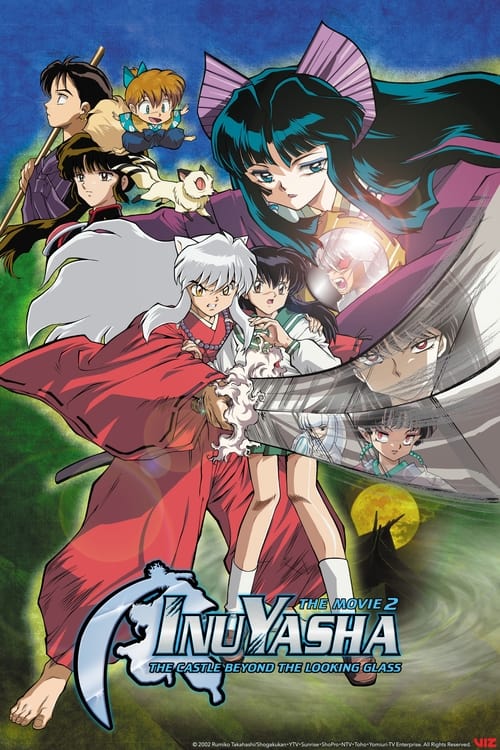
Inuyasha the Movie 2: The Castle Beyond the Looking Glass
2002
No user ratings available yet
Representation score: 3.1 out of 10

Representation Score
Fair
2004
PG-13Director
Toshiya Shinohara
Runtime
88 minutes
Average Rating
No ratings yetNew Showbiz Analysis
The film operates as a traditional high-fantasy adventure that prioritizes mythic conflict over social deconstruction. It explores the 'in-between' identities through hanyō characters, offering a subtle commentary on social belonging and lineage. However, the narrative remains anchored in conventional clichés, adhering to established romantic structures and traditional moral frameworks. Ultimately, while the fantasy setting allows for complex social stratification based on species, the film does not actively seek to disrupt or deconstruct existing social norms.
Category Breakdown
The story focuses on the romantic relationship between Inuyasha and Kagome, following traditional structures without any visible queer subtext or non-cisgender identities.
Kagome provides a strong female presence who play a significant role in driving the story and moral guidance. While the film follows typical shōnen genre expectations, female warriors help disrupt a purely patriarchal combat structure.
The film uses a hierarchy of humans, half-demons, and full demons to mirror social stratification. Inuyasha’s hanyō status serves as a metaphor for the struggle of existing between two worlds.
Set in mythological Sengoku-period Japan, the film prioritizes traditional folklore. It frames conflict through a moral lens of individual greed rather than a critique of modern political or systemic structures.
Characters are defined by combat prowess and supernatural lineage rather than physical or neurodivergent traits. Physical trauma serves as a plot catalyst rather than a nuanced exploration of disability.
Present on Screen
Limited or Absent
Official Synopsis
The mysterious island of Houraijima has reappeared after 50 years, and with its reappearance has brought the attack of four gods, the Shitoushin, who have their eyes set on the powers that protect and sustain the island. Now it's up to Inuyasha and his friends, along with Sesshoumaru, to find a way to defeat the powerful Shitoushin.
2002
2001
1999
2005
2003
2003
1994

2012
No reviews yet. Be the first to share your thoughts on this movie!
Use the rating form above to leave a star rating and optional review.