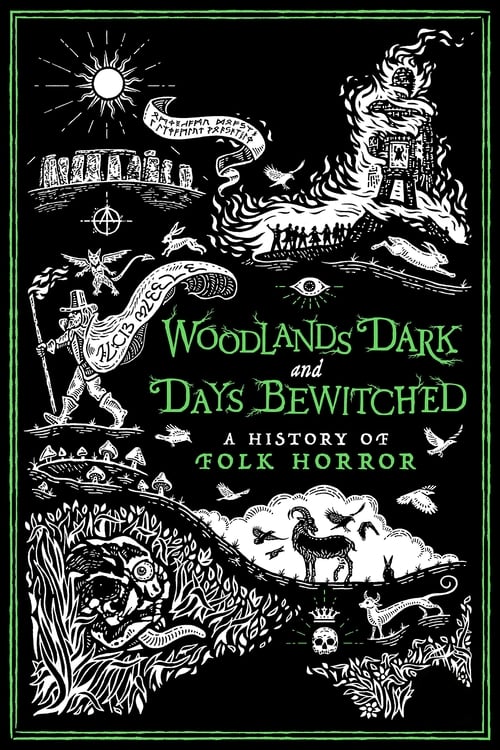
Woodlands Dark and Days Bewitched: A History of Folk Horror
2021
No user ratings available yet
Representation score: 9.3 out of 10
Representation Score
Fair
2025
Director
Rupert Russell
Runtime
94 minutes
Average Rating
No ratings yetNew Showbiz Analysis
The film opens on the Cotswolds, a landscape of thatched roofs and "hearts of gold," before pivoting to the brutal 1945 murder of Charles Walton. This juxtaposition sells a vision of England as a place where pastoral beauty masks ancient, violent rituals. The documentary’s argument is that this specific killing birthed the folk horror genre, framing rural tradition as a source of modern anxiety. The camera loves the mystery, using reenactments to show Walton’s mundane life—his arthritis, his breakfast—before the pitchfork impales his face. The sold meaning is that "Englishness" is a puzzle of superstition and violence, with the outsider (police, academics) as the only rational voice. However, the film’s internal logic is thin: it treats the murder as a cultural artifact rather than a crime, leaving the "who" and "why" unresolved to fuel genre fascination. The last image is not a verdict but a question, reinforcing the idea that rural England is a space of hidden, irrational power. The film is a competent true-crime piece that validates the folk horror genre’s premise: the village is a mad society, and the outsider is the only sane observer.
Category Breakdown
Heteronormative family units like niece and uncle define the social fabric. No queer intimacy or identity appears in the 1945 murder context. The film lacks any discussion of LGBTQ+ perspectives on folk horror.
Women serve as domestic anchors or academic experts, while men hold narrative authority. Police and directors dominate the investigative voice. No female-led subversion of patriarchal village power occurs.
The cast is overwhelmingly white, mirroring the rural English setting. No non-white characters drive the 1945 case or genre analysis. Colonial or immigrant influences on British folk traditions remain unexamined.
Traditional English rural life is scrutinized for hidden pagan rituals. The film frames Englishness as a puzzle of superstition versus modernity. It lacks critique of the documentary form or true crime gaze.
Charles Walton’s arthritis is noted as a physical limitation affecting his routine. Disability remains incidental to the murder plot rather than a thematic focus. Broader disabled perspectives are absent from the narrative.
Present on Screen
Limited or Absent
Official Synopsis
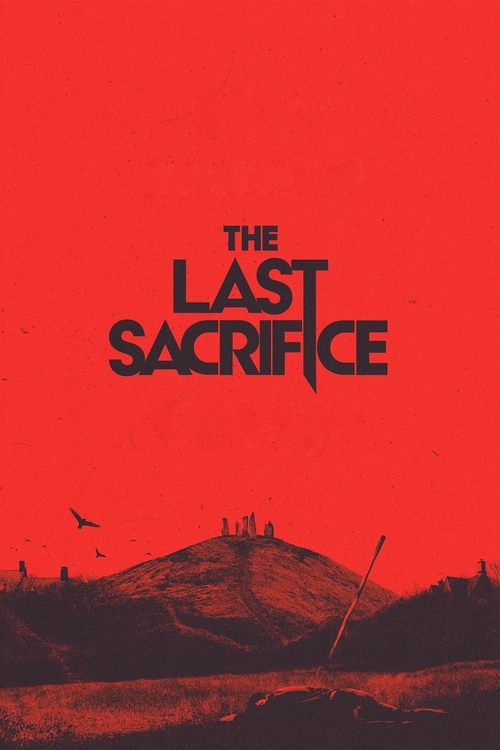
The Last Sacrifice delves into the real-life 1945 witchcraft killing of Charles Walton—the terrifying event that inspired The Wicker Man and birthed the folk horror genre. This unsettling true-crime interrogation probes into the eerie, enigmatic cultural undercurrents that shaped 1970s folk horror genre, leaving an indelible mark on cinema and public psyche.
2021
1922
2015
2015
2022
1978
2021
2019
No reviews yet. Be the first to share your thoughts on this movie!
Use the rating form above to leave a star rating and optional review.