An Exorcism of Evil
2013
No user ratings available yet
Diversity score: 2.7 out of 10
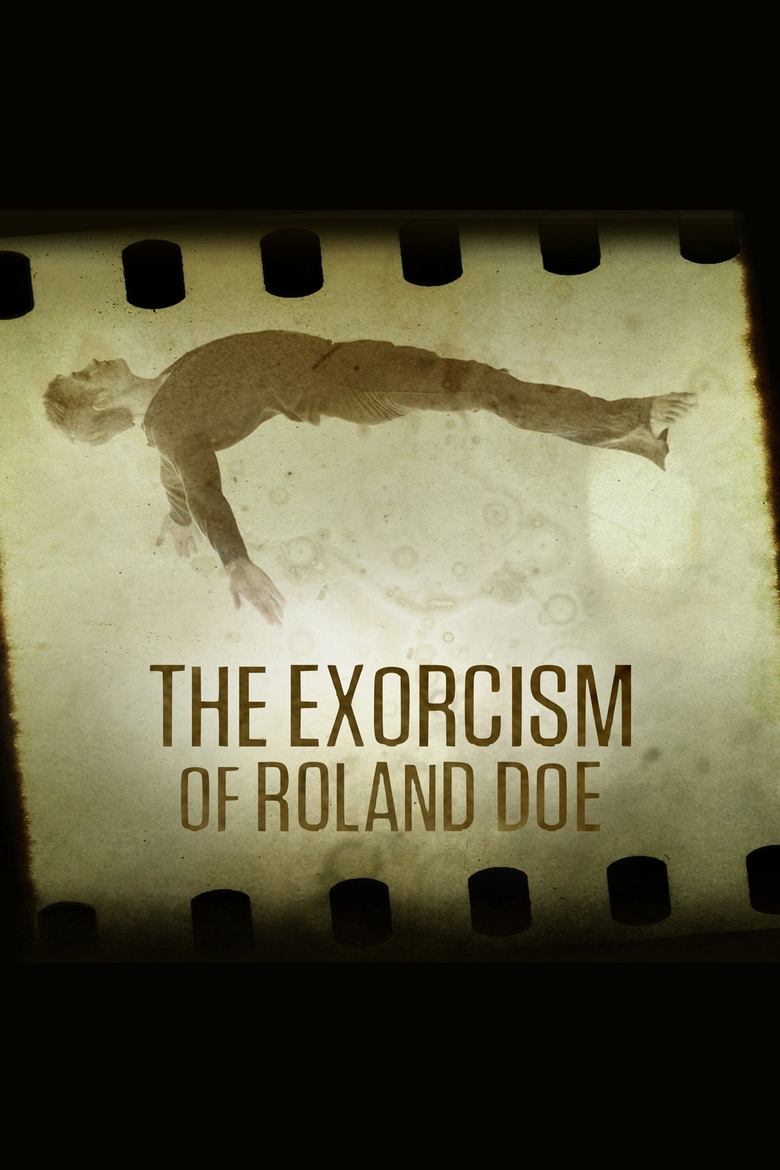
2021
Director
Tom Jennings
Runtime
84 minutes
Average Rating
No ratings yetSynopsis
The Exorcist has terrified audiences since 1973, but few know the story is true. For the first time on television, investigators expose shocking secrets about the real-life exorcism of a 13-year-old boy that inspired an iconic horror film.
Overall Score
Fair
Category Breakdown
LGBTQ+ Representation
The film centers on a historical case involving a 13-year-old boy. There is no explicit evidence of LGBTQ+ characters or narratives within the primary investigation.
Gender Representation
The narrative focuses on investigators and historical figures. Women appear primarily in secondary roles or within a historical context, though the film challenges patriarchal religious authority.
Racial & Ethnic Diversity
The story remains centered on a homogeneous Western social structure. It does not prioritize racial or ethnic intersectionality, focusing instead on mid-century American religious culture.
Religious & Cultural Diversity
The documentary disrupts religious dogma by using a secular, investigative lens. It treats traditional religious responses as subjects of scrutiny rather than absolute truths.
Disability Representation
The central subject involves a boy experiencing profound psychological or neurological distress. The film attempts to examine his lived reality beyond supernatural tropes.
Strengths
Areas for Improvement
AI Analysis
The documentary prioritizes intellectual deconstruction over demographic variety. It functions as an investigative tool to challenge religious and cinematic myths rather than a showcase for diverse identities. Its strength lies in its skeptical approach to established institutions. By examining the intersection of faith and medical history, it moves away from traditional supernatural tropes toward a more secular inquiry. However, the film's narrow historical focus limits its breadth. The narrative remains largely confined to a specific mid-century Western milieu, resulting in low scores for racial and LGBTQ+ representation.
2013
2016
2022
2015
2017
1985

2000
2013

2018

2020
2016
2010
No reviews yet. Be the first to share your thoughts on this movie!
Use the rating form above to leave a star rating and optional review.