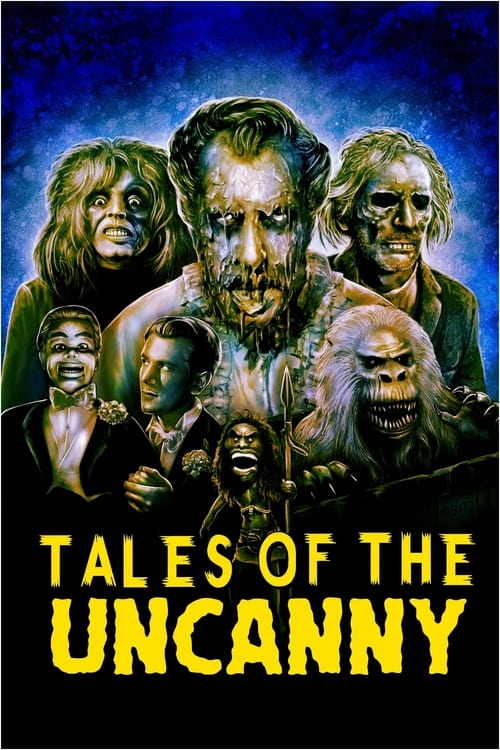
Tales of the Uncanny
2020
No user ratings available yet
Representation score: 5.0 out of 10
Representation Score
Excellent
2021
Director
Kier-La Janisse
Runtime
193 minutes
Average Rating
No ratings yetNew Showbiz Analysis
Kier-La Janisse delivers a sophisticated scholarly examination that actively deconstructs traditional Western hierarchies. The documentary expands the folk horror conversation beyond its British origins to include global perspectives. The film excels in its treatment of gender and cultural spirituality, using the genre to critique patriarchal and organized religious structures. It effectively uses genre clichés to challenge oppressive social and religious institutions. While the theoretical framework touches on themes of alienation and the 'other,' the film lacks specific, direct representation of physical disability and intimate queer narratives. It remains primarily an intellectual, rather than a character-driven, exploration.
Category Breakdown
The film explores how non-traditional identities have been historically coded within the folk horror genre. It offers space for queer interpretations of genre clichés but lacks direct depictions of intimacy.
The documentary uses the witch archetype to challenge traditional gender hierarchies. It analyzes how the genre uses feminine roles to question patriarchal structures and undermine masculine authority.
The analysis looks beyond Anglo-Saxon roots to examine global expressions of the genre. It highlights how diverse cultures use landscapes and folklore to convey unique identity-based stories.
The film focuses on paganism and non-Christian spiritualities. It frames the tension between organized religion and folk belief as a conflict between oppressive institutions and organic identities.
The exploration of psychological alienation provides a basis for understanding neurodivergence. However, the film lacks explicit, dedicated segments addressing physical or sensory disabilities.
Present on Screen
Limited or Absent
Official Synopsis
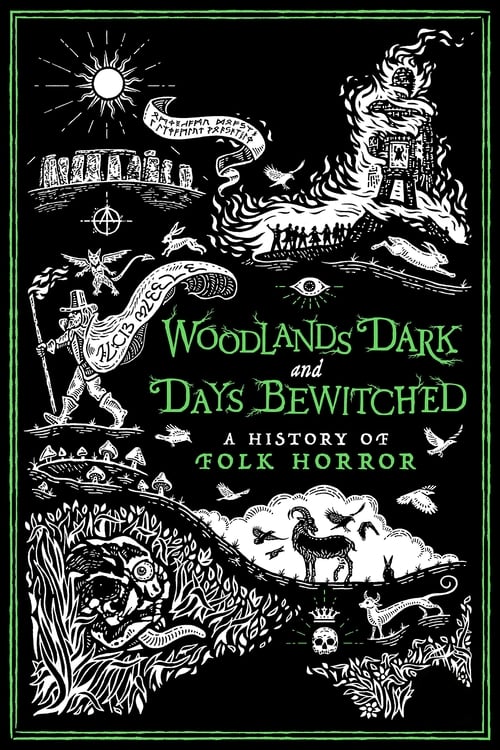
An exploration of the cinematic history of the folk horror, from its beginnings in the UK in the late sixties; through its proliferation on British television in the seventies and its many manifestations, culturally specific, in other countries; to its resurgence in the last decade.
2020
1922
2017
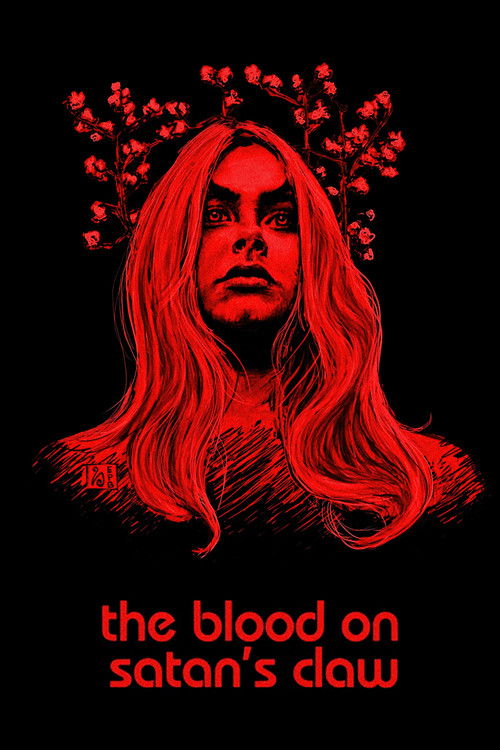
1971
2014
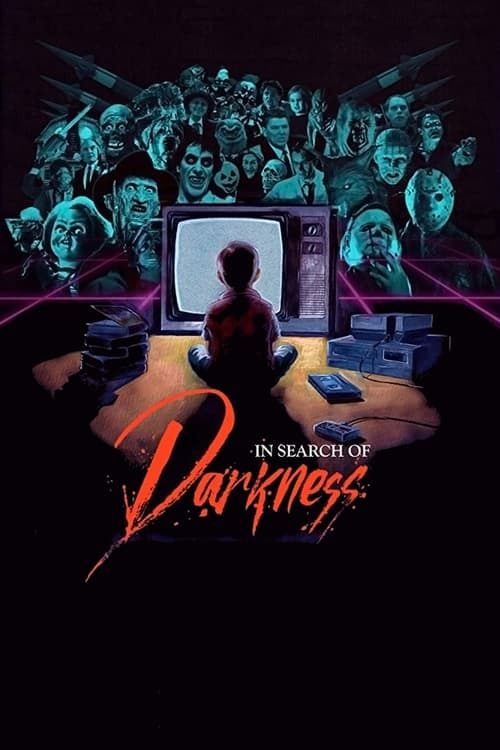
2019
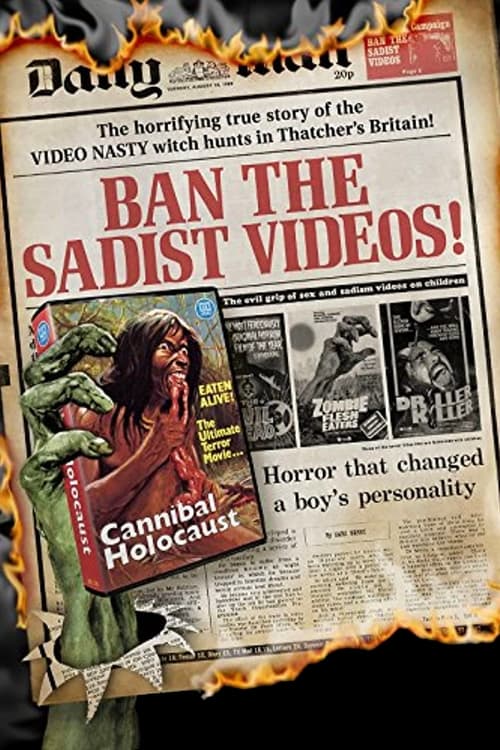
2005
2015
No reviews yet. Be the first to share your thoughts on this movie!
Use the rating form above to leave a star rating and optional review.