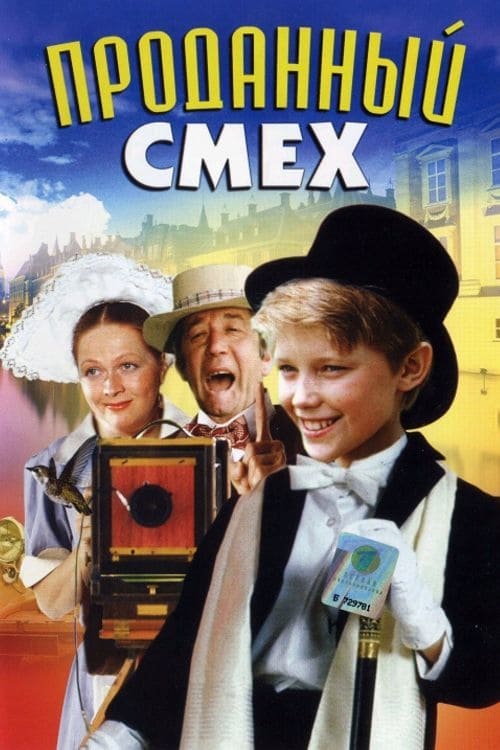
Sold Laughter
1981
No user ratings available yet
Representation score: 2.4 out of 10
Representation Score
Limited
1949
Director
Astrid Henning-Jensen
Runtime
24 minutes
Average Rating
No ratings yetNew Showbiz Analysis
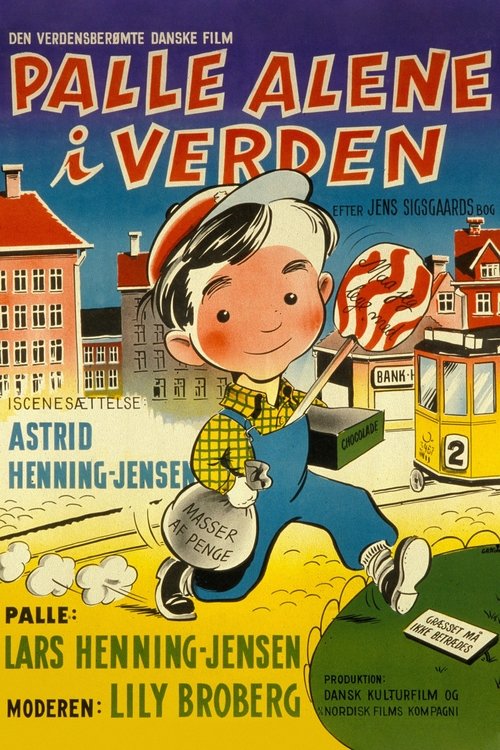
Palle Alone in the World is a character-driven film set in mid-century Europe, focusing on the internal life and experiences of a child. The film centers on a single protagonist, emphasizing personal growth and environmental challenges. Given its 1949 Danish setting, the production reflects the demographic homogeneity of that time and place. The narrative does not aim to challenge the social or racial norms of the period. Ultimately, the film serves as a singular exploration of childhood innocence and environmental peril, lacking the frameworks needed to engage with diverse identities.
Category Breakdown
The film does not include any identifiable LGBTQ+ characters or narratives. It stays within the social norms of its mid-century Danish setting.
The story revolves around a male protagonist and follows traditional gender roles. While it avoids overtly negative portrayals of women, there is little emphasis on women's empowerment or ability to act in the adventure.
The film portrays a homogeneous population reflective of its 1949 rural Danish setting. It does not challenge Eurocentric norms or offer diverse representation.
The narrative emphasizes childhood loneliness and the natural world rather than religious themes. It highlights personal experiences over societal structures.
The film does not significantly address physical or neurodivergent disabilities. The protagonist's vulnerability is portrayed through the lens of childhood innocence rather than disability.
Present on Screen
Limited or Absent
Official Synopsis
A young boy wakes up to find all other people have gone, leaving him free to do whatever he wants.
1981
1987
1960
1970

2008
1974

1994
1966
No reviews yet. Be the first to share your thoughts on this movie!
Use the rating form above to leave a star rating and optional review.