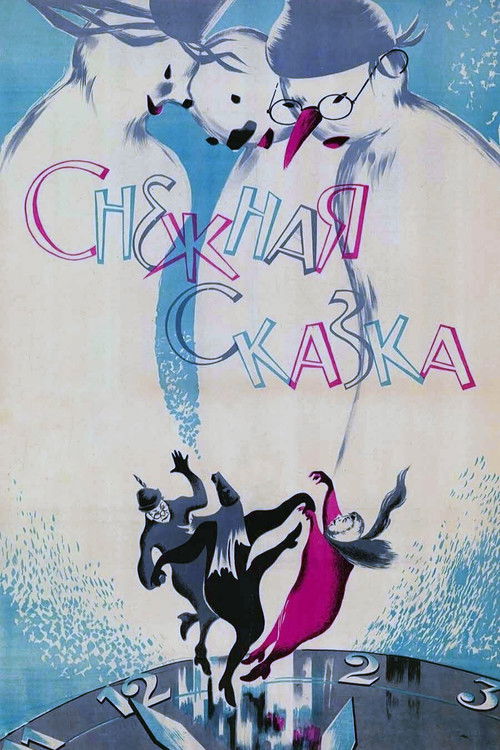
A Snow Fairy Tale
1960
No user ratings available yet
Representation score: 3.1 out of 10
Representation Score
Limited
1981
Director
Leonid Nechayev
Runtime
140 minutes
Average Rating
No ratings yetNew Showbiz Analysis
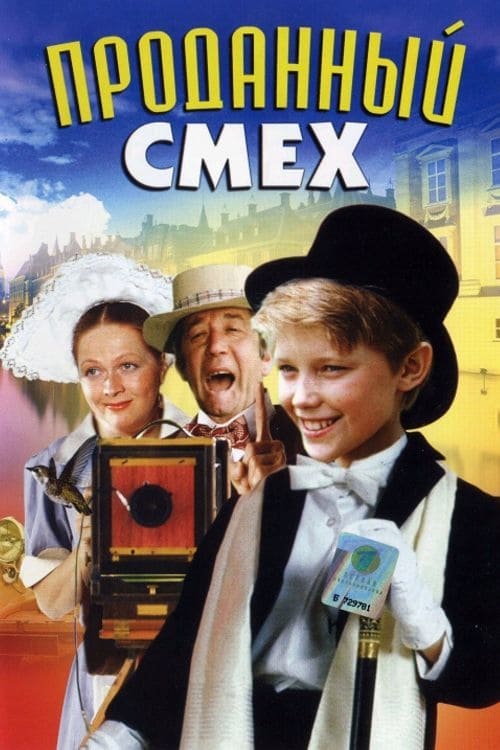
Sold Laughter operates as a traditional moral allegory centered on a Faustian bargain. The story emphasizes philosophical themes of greed and innocence rather than modern identity-driven representation. While the film lacks diverse social identities such as LGBTQ+, race, or gender roles, it subtly critiques materialist hierarchies. The narrative suggests that power and victory do not necessarily lead to fulfillment.
Category Breakdown
The film does not include any representations of LGBTQ+ identities or non-binary gender expressions.
The story revolves around male characters, both the protagonist and the antagonist, and does not challenge traditional gender roles.
The cast is predominantly made up of actors from a similar ethnic background, reflecting a lack of diverse representation.
The narrative criticizes the pursuit of wealth and material success as being spiritually and emotionally empty.
The film does not feature any characters with physical or cognitive disabilities.
Present on Screen
Limited or Absent
Official Synopsis
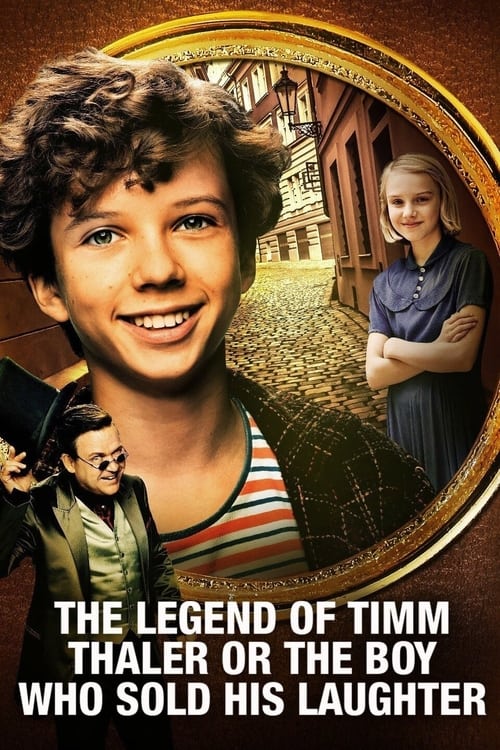
Young boy Timm sells his laughter to Baron Lefuet for the ability to win every wager. Based on the famous book "Timm Thaler" by James Krüss.
1960
2022
1973
2017
1951
1966
2019
1977
No reviews yet. Be the first to share your thoughts on this movie!
Use the rating form above to leave a star rating and optional review.