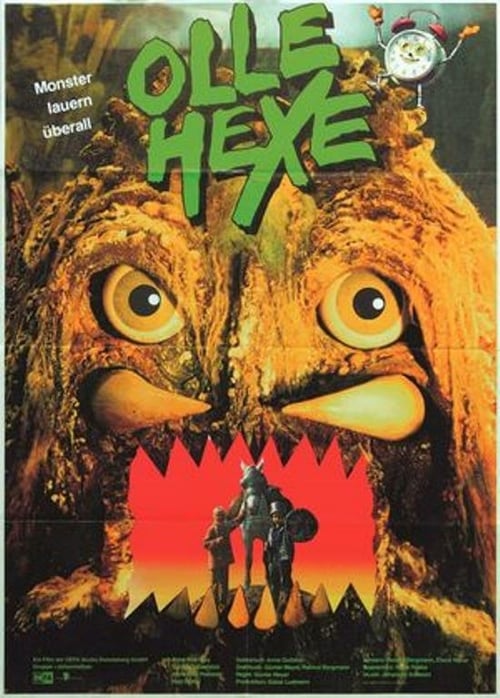
Ol' Witch
1991
No user ratings available yet
Representation score: 6.1 out of 10

Representation Score
Fair
2008
Not RatedDirector
Nicolas Bary
Runtime
133 minutes
Average Rating
No ratings yetNew Showbiz Analysis
Trouble at Timpetill is a conventional fantasy-adventure that finds its strength in thematic disruption rather than diverse representation. By removing adults from a European village, the film challenges traditional authority and social order, providing a mild critique of established institutions. However, the film lacks depth in most diversity categories. The setting suggests a homogeneous demographic, and there is no evidence of LGBTQ+ themes or disability representation. It functions primarily as a genre piece focused on traditional formulas.
Category Breakdown
The film does not explicitly depict LGBTQ+ identities. It maintains a neutral stance typical of family adventures from this era, where such themes are usually absent.
The story centers on a youth-led community, shifting power dynamics. However, it remains unclear if the film challenges gendered expectations or follows conventional roles.
Set in a small European mountain village, the film likely depicts a homogeneous population. There is no evidence of a diverse or non-Anglo-Saxon majority cast.
The narrative critiques traditional Western social structures by removing adults from the equation. This premise explores social reorganization and youth autonomy over established hierarchies.
There is no information regarding the inclusion or portrayal of characters with physical, sensory, or neurodivergent disabilities.
Present on Screen
Limited or Absent
Official Synopsis
The children of a small European mountain village end up being its only residents, soon after the adults cannot take their behavior any longer.
1991
1984

2012
2009
2007
1998
1949
1987
No reviews yet. Be the first to share your thoughts on this movie!
Use the rating form above to leave a star rating and optional review.