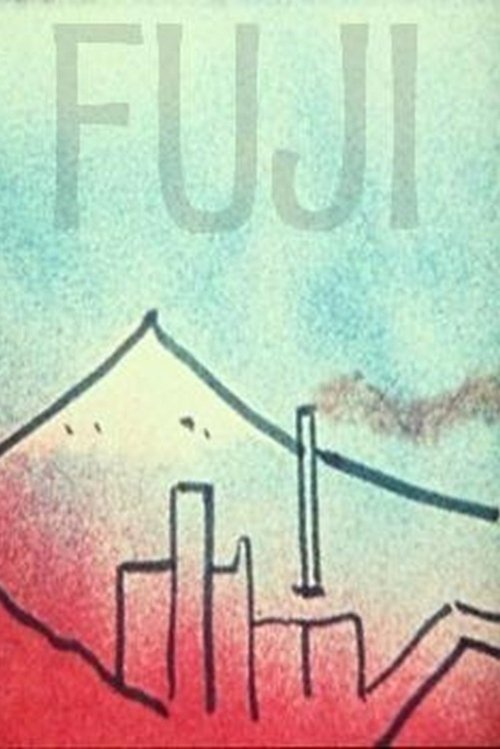
Fuji
1974
No user ratings available yet
Representation score: 1.2 out of 10

Representation Score
Good
1970
Director
Daniel Szczechura
Runtime
6 minutes
Average Rating
No ratings yetNew Showbiz Analysis
Journey is a work of formalist experimentation that finds its value in structural subversion rather than demographic inclusion. By deconstructing the 'hero's journey,' the film replaces traditional ability to act with a focus on rhythm and environment. The film's minimalist approach allows it to bypass many traditional social hierarchies, though it lacks intentional representation of diverse identities. It functions primarily as a critique of goal-oriented, capitalist narrative structures. Ultimately, the film's impact lies in its refusal to adhere to mainstream cinematic hierarchies, favoring the subjective passage of time over conventional plot progression.
Category Breakdown
The film does not include explicit depictions of sexual orientation or gender identity. The story focuses solely on the internal experience of a solitary traveler, creating a neutral space without conventional romantic subplots.
The film uses a minimalist approach to characterization through a single, nondescript male figure. This avoids reinforcing traditional masculine archetypes like the hero or provider. The protagonist's journey is defined by mundane necessity rather than dominance.
The film features a homogeneous cast with no evidence of a diverse group of characters. The focus remains on atmospheric and rhythmic qualities rather than social or ethnic diversity.
Szczechura challenges Western cinematic emphasis on progress and productivity by presenting a journey where nothing happens. The film prioritizes a subjective, meditative experience over traditional notions of purpose or success.
There is no explicit evidence regarding the protagonist's physical or mental state. The focus on memory and repetitive rhythms could be interpreted as an exploration of cognitive experiences, though this remains speculative.
Present on Screen
Limited or Absent
Official Synopsis
Seemingly, nothing happens in the film; At most, a man forgets something at home and must return. The viewer watches his train journey, the rhythm of the soundtrack determined by pylons whooshing by his cabin window.
1974

2016

1980
1985
1969

2006
1974
1972
No reviews yet. Be the first to share your thoughts on this movie!
Use the rating form above to leave a star rating and optional review.