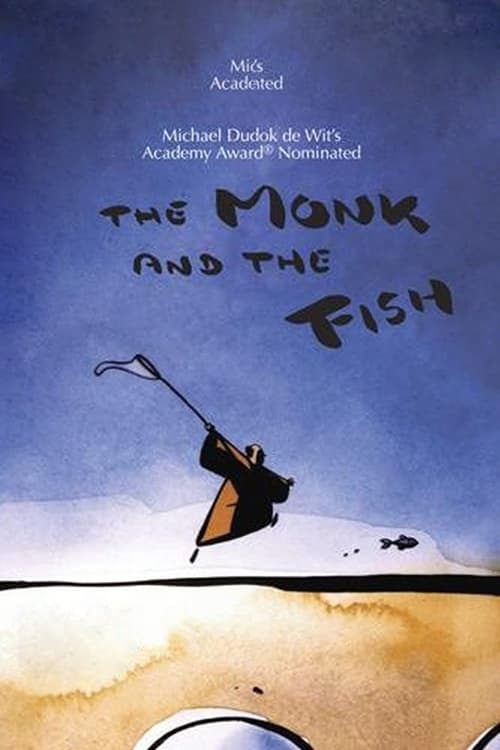
The Monk and the Fish
1994
No user ratings available yet
Representation score: 4.4 out of 10

Representation Score
Minimal
2006
Director
Michael Dudok de Wit
Runtime
3 minutes
Average Rating
No ratings yetNew Showbiz Analysis
The film explores universal themes through rhythm and light, using non-representational forms like a traveling sphere. It avoids traditional demographic representation by focusing on abstract concepts. While it sidesteps stereotypical casting, it also lacks the character-driven arcs needed for a higher progressive score. The film aims to convey universal human experiences through metaphor rather than direct sociopolitical messaging.
Category Breakdown
Since the film uses abstract concepts, it doesn't depict any characters or interpersonal dynamics related to gender identity or sexual orientation.
The story uses geometric spheres instead of human figures, so there's no reinforcement or subversion of gender roles.
The film exists in a non-human, metaphorical space where there are no human figures to assess racial or ethnic diversity.
The film focuses on a universal spiritual journey without specific religious references, avoiding singular religious morality.
There is no depiction of physical, sensory, or neurodivergent traits as the abstract visuals don't represent disabilities.
Present on Screen
Limited or Absent
Official Synopsis
The Aroma of Tea is a 2006 Dutch animated short film made by Michaël Dudok de Wit. It shows how a small sphere travels in a determined and rhythmical manner through landscapes, emerging at the end into a larger sphere of white light. Both the graphic brushstroke and the music, with its haunting rhythms, are strikingly simple and direct. The theme of the film, a quest followed by a union, is as old as time and recognizable despite its limitless variations.
1994
2006
1963
1985
2001
1994
1965
1970
No reviews yet. Be the first to share your thoughts on this movie!
Use the rating form above to leave a star rating and optional review.