The Phantom Inventory
2004
No user ratings available yet
Diversity score: 6.3 out of 10
1969
Director
Stefan Schabenbeck
Runtime
7 minutes
Average Rating
No ratings yetSynopsis
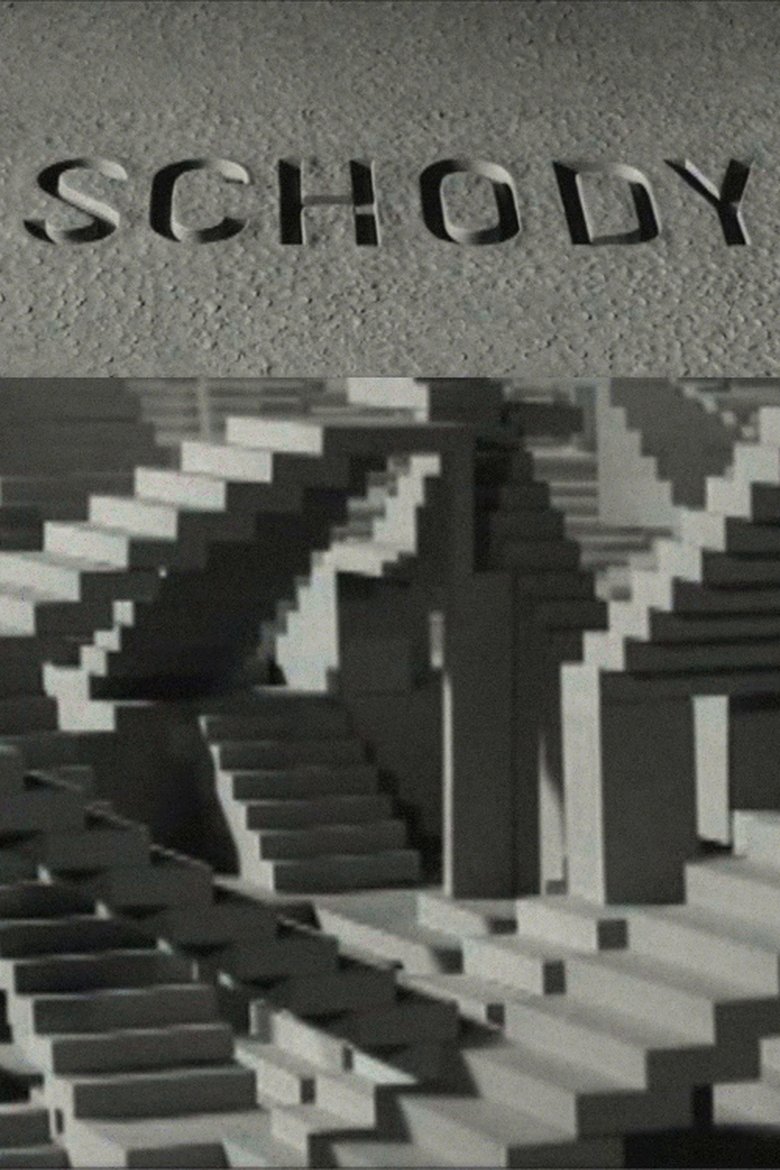
A figure wanders through a world of endless stairs, seeking purpose to his monotonous existence.
Overall Score
Limited
Category Breakdown
LGBTQ+ Representation
The film lacks any discernible presence of queer narratives or non-cisnormative identities. Its minimalist focus on a solitary male figure precludes the exploration of sexual orientation.
Gender Representation
The narrative centers almost entirely on a single male protagonist. It lacks female characters, preventing any engagement with gendered power dynamics or diverse perspectives.
Racial & Ethnic Diversity
A highly abstracted setting de-emphasizes physical characteristics, avoiding stereotypes but also lacking intentional racial diversity. The visual scope remains largely homogeneous.
Religious & Cultural Diversity
The film offers a sophisticated critique of systemic confinement and institutional structures. It uses repetitive architecture to symbolize the alienation of modern existence.
Disability Representation
No characters with diagnosed disabilities are featured. The protagonist's cyclical struggle serves as a metaphor for psychological distress rather than representing lived experience.
Strengths
Areas for Improvement
AI Analysis
Stefan Schabenbeck’s *The Stairs* is a minimalist, allegorical work that prioritizes philosophical inquiry over character-driven tropes. Because the film focuses on a solitary figure in an abstract landscape, it lacks the interpersonal dynamics necessary for demographic representation. While the film fails to provide diverse identities regarding gender, race, or sexuality, it succeeds as a postmodernist critique of social structures. It effectively uses its environment to explore the friction between an individual and an oppressive, impersonal system. Ultimately, the film is an intellectual exercise in existentialism. It trades social breadth for depth in its commentary on systemic stagnation and the constraints of modern life.
No reviews yet. Be the first to share your thoughts on this movie!
Use the rating form above to leave a star rating and optional review.