Animals United
2010
No user ratings available yet
Representation score: 3.4 out of 10
Representation Score
Limited
1995
Director
Bruce Morris
Runtime
13 minutes
Average Rating
No ratings yetNew Showbiz Analysis
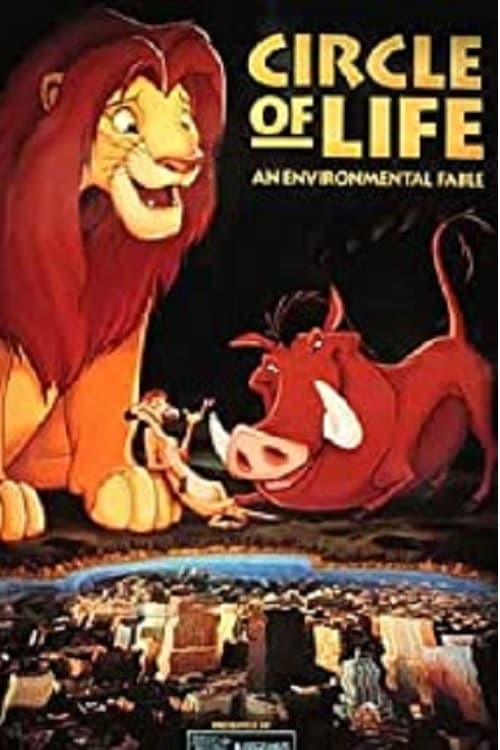
This environmental fable focuses on ecological ethics rather than social identity politics. While it uses familiar characters to convey a message about nature, it lacks the depth of storytelling that reflects multiple aspects of identity. The conflict centers on the tension between anthropocentric development and ecological preservation. By framing village construction as harmful, the film critiques traditional notions of progress. Ultimately, the film's narrow focus on environmental stewardship results in a low diversity score, as it does not engage with broader human social identities.
Category Breakdown
The film does not include any characters or stories related to LGBTQ+ identities or those who do not identify with their assigned gender at birth. The focus is solely on environmental themes.
Gender roles are not a central theme. While Simba serves as a positive influence, the story emphasizes ecological responsibility over challenging traditional gender roles.
The use of anthropomorphic characters adds a metaphorical layer, but the narrative does not explicitly address racial or ethnic identity. It adheres to established demographic norms.
The film strongly critiques expansionist development by framing village construction as ecological destruction. It challenges the traditional celebration of settlement and progress.
There is no mention of characters with visible or invisible disabilities. The narrative does not include any representation of neurodivergent individuals.
Present on Screen
Limited or Absent
Official Synopsis
Timon and Pumbaa from The Lion King are chopping down trees and clogging up rivers to build the Hakuna Matata Lakeside Village. Simba comes to them and explains how their actions are harmful to nature.
2010
1992
1997
1994
1975
1993
1978
1984
No reviews yet. Be the first to share your thoughts on this movie!
Use the rating form above to leave a star rating and optional review.