Delhi Safari
2012
No user ratings available yet
Representation score: 3.3 out of 10
Representation Score
Limited
2010
GDirector
Reinhard Klooss, Holger Tappe
Runtime
93 minutes
Average Rating
No ratings yetNew Showbiz Analysis
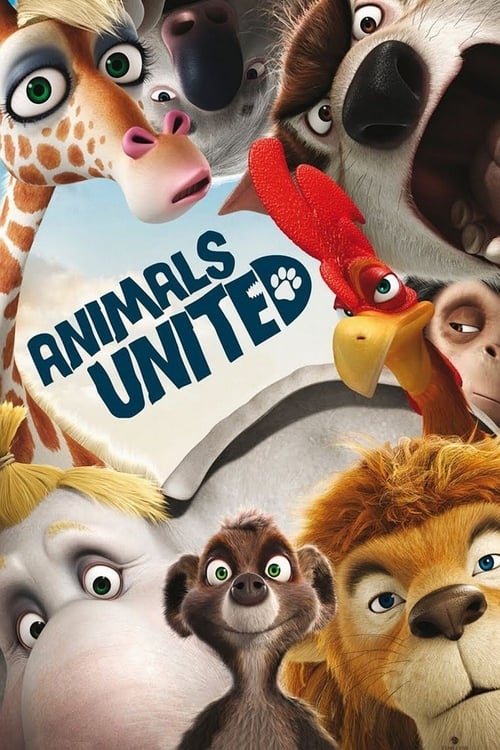
Animals United functions as an ecological fable that uses non-human metaphors to critique industrial expansion. By centering the narrative on a collective of species fighting for their habitat, the film avoids traditional human-centric power structures and racial hierarchies. However, the film remains limited in its exploration of individual identity. The absence of LGBTQ+ representation and the reliance on standard anthropomorphic archetypes prevent a deeper subversion of social norms. The human presence is treated as a singular, external threat rather than a diverse group of people. Ultimately, the film's strength lies in its cultural critique of capitalism and industrialism. It succeeds as a moral imperative for environmental preservation, even if it lacks nuance in personal identity representation.
Category Breakdown
The film focuses entirely on an interspecies ecological struggle and does not include any LGBTQ+ representation or same-sex intimacy among the animal characters.
The character dynamics rely on established anthropomorphic archetypes, avoiding traditional patriarchal structures but lacking a significant subversion of gender roles.
The non-human cast uses animal metaphors to bypass traditional human racial hierarchies, but humans are depicted as a monolithic force rather than a diverse ethnic group.
The narrative critiques industrial expansion and capitalist development, prioritizing a collective view of environmental harmony over the perceived progress of modern civilization.
The film does not focus on visible or invisible disabilities. Characters are defined by their species and ecological roles rather than physical or neurodivergent traits.
Present on Screen
Limited or Absent
Official Synopsis
A group of animals waiting for the annual flood they rely on for food and water discover that the humans, who have been destroying their habitats have built a dam for a leisure resort. The animals endeavour to save the delta and send a message to the humans not to interfere with nature.
2012
1994
2011
2015
2012
1992

2012
2001
No reviews yet. Be the first to share your thoughts on this movie!
Use the rating form above to leave a star rating and optional review.