
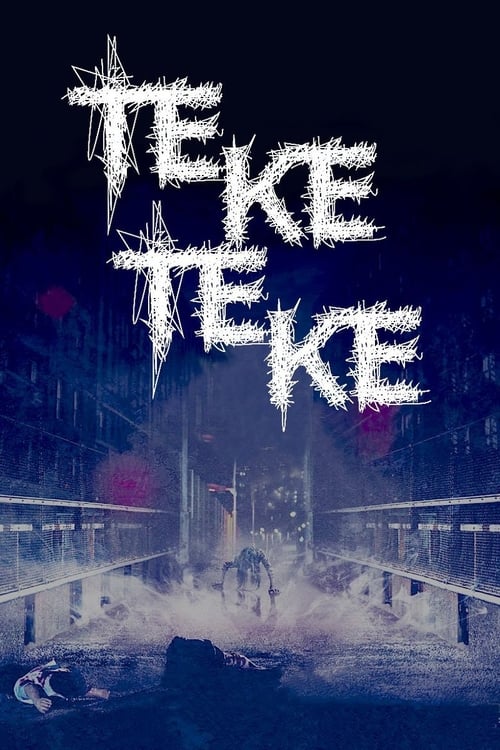
Teke Teke 2
2009
No user ratings available yet
Representation score: 2.5 out of 10
Representation Score
Limited
2009
Director
Koji Shiraishi
Runtime
70 minutes
Average Rating
No ratings yetNew Showbiz Analysis
Teke Teke is a traditional Japanese horror film that emphasizes atmospheric suspense and urban legends over social complexity. It adheres to established genre conventions, focusing on the inevitability of fate rather than systemic critique. The film maintains a conventional social framework. While it features a central female figure who play a significant role in driving the story, this ability to act is expressed through a supernatural archetype rather than challenging gender power structures. Overall, the narrative lacks multi-layered depth. It presents a singular cultural environment and uses physical impairment primarily as a horror device, missing opportunities for meaningful representation.
Category Breakdown
The film doesn't include any LGBTQ+ characters or narratives. The character interactions focus on traditional social groups within a student population.
A strong female character drives the plot, using her power through fear. Male characters react to her actions, and the female role follows a vengeful spirit archetype.
The cast is culturally uniform, reflecting the local Japanese setting. While it avoids stereotypes, the film doesn't include diverse ethnic perspectives or multi-layered casting.
The story depends on folklore and superstition rather than political critique. It presents typical social settings without addressing systemic issues or institutional corruption.
The protagonist's physical mutilation serves as a supernatural horror element. This portrayal focuses on horror clichés rather than exploring the lived experience of disability.
Present on Screen
Limited or Absent
Official Synopsis
The upper torso of a female, claws her way around Japan searching for her lower half. The person's lower half was severed in a train accident in Hokkaido. Anyone that hears of this story will see Teke-Teke's upper half walking aimlessly around the countryside within three days.
2009
2000
2015

2007
2007
2005
2004
2015
No reviews yet. Be the first to share your thoughts on this movie!
Use the rating form above to leave a star rating and optional review.