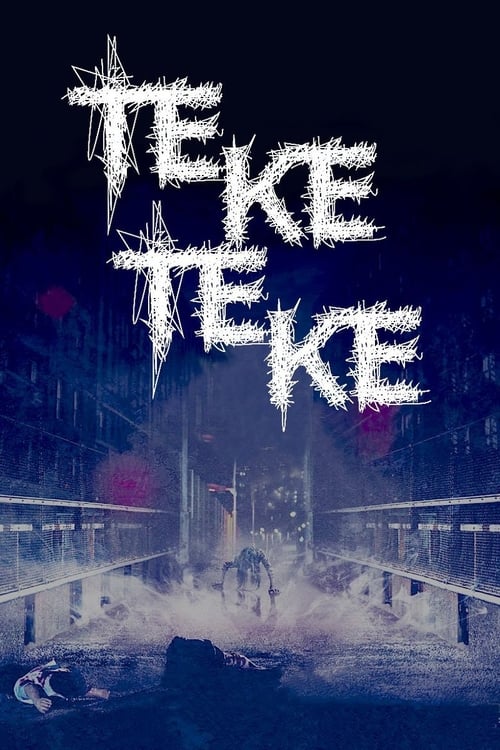
Teke Teke
2009
No user ratings available yet
Representation score: 3.5 out of 10

Representation Score
Limited
2009
Director
Koji Shiraishi
Runtime
73 minutes
Average Rating
No ratings yetNew Showbiz Analysis
Teke Teke 2 is a genre-driven horror film that emphasizes the execution of a supernatural legend over social commentary. While the central female entity provides a strong driving force, she functions more as a supernatural force than a complex character. The film adheres to conventional genre expectations, focusing on the mechanics of a supernatural hunt. It does not challenge social hierarchies or provide meaningful characters who reflect more than one aspect of diversity. Ultimately, the narrative focuses on fulfilling the requirements of the J-horror subgenre, using folklore and physical terror rather than deconstructing systemic identity or social norms.
Category Breakdown
There are no LGBTQ+ characters or non-cisgender identities in the film. It follows typical straight-focused social structures found in modern Japanese horror.
A strong female spirit drives the plot, serving as a central female presence. However, the supporting cast of teenagers relies on traditional gender roles commonly seen in teen horror films.
The cast is predominantly made up of people from similar backgrounds, reflecting the demographics of its Japanese setting. There is no indication of diverse racial or ethnic representation.
The story draws from Japanese folklore and urban legends, operating within a traditional framework focused on vengeance. It does not explore broader religious or cultural critiques.
The main character's physical disability is used as a source of fear and a visual cliché. It serves as a plot device rather than a realistic portrayal of living with a disability.
Present on Screen
Limited or Absent
Official Synopsis
The story of Teke Teke, the ghost woman with no legs, continues. Conflict arises between a group of high school classmates, and Teke Teke starts hunting them down one by one.
2009
2000
2004
2003
2016
1996
1998
2011
No reviews yet. Be the first to share your thoughts on this movie!
Use the rating form above to leave a star rating and optional review.