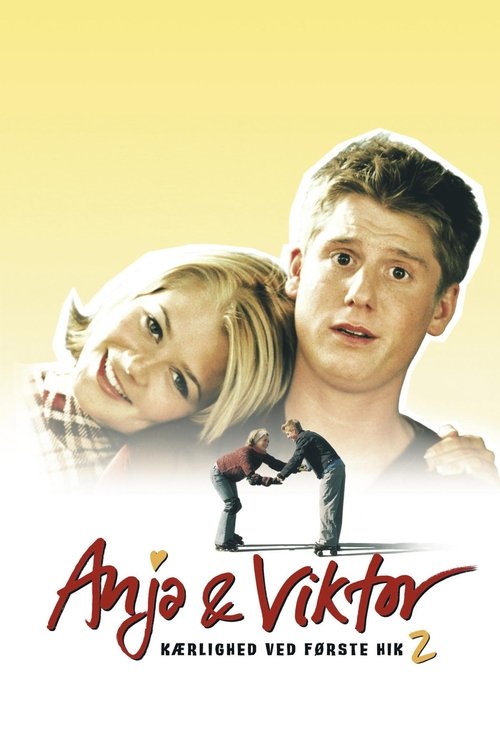
Anja & Viktor
2001
No user ratings available yet
Representation score: 4.1 out of 10
Representation Score
Fair
1972
Director
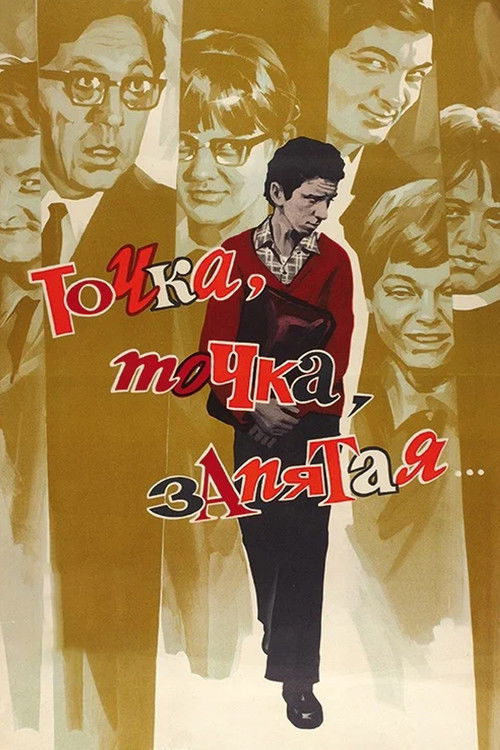
Aleksandr Mitta
Runtime
84 minutes
Average Rating
No ratings yetNew Showbiz Analysis
Point, Point, Comma... is a character study of adolescence that prioritizes the internal lives of youth. It functions as a lyrical comedy, focusing on the nuances of human relationships and the transition from childhood to adolescence. The film lacks overt efforts to challenge systemic hierarchies or utilize a multi-layered approach. Its narrative structure aligns with the standard social structures of its 1972 Soviet production context. Ultimately, the work finds its strength in subjective emotional reality rather than social subversion. It offers a departure from didactic storytelling by centering on the individual experiences of its young protagonists.
Category Breakdown
The film follows traditional coming-of-age stories focused on first love. There is no explicit depiction of LGBTQ+ identities or same-sex relationships.
The story centers on the social dynamics of eighth-grade students. Female characters do not play a significant role in driving the plot.
The cast likely reflects the demographic makeup of the Soviet Union in 1972. The narrative suggests a relatively homogeneous social environment among the schoolchildren.
The lyrical comedy format emphasizes personal emotional truths over grand institutional narratives. This shifts the focus from state or religious dogma to the micro-politics of peer relationships.
The synopsis does not mention any characters dealing with physical, sensory, or neurodivergent conditions.
Present on Screen
Limited or Absent
Official Synopsis
A lyric comedy about eight-graders, their life and first love...
2001
1980
1982
1962
1989
2002
1983
1958
No reviews yet. Be the first to share your thoughts on this movie!
Use the rating form above to leave a star rating and optional review.