
Cry of the City
1948
No user ratings available yet
Diversity score: 2.6 out of 10
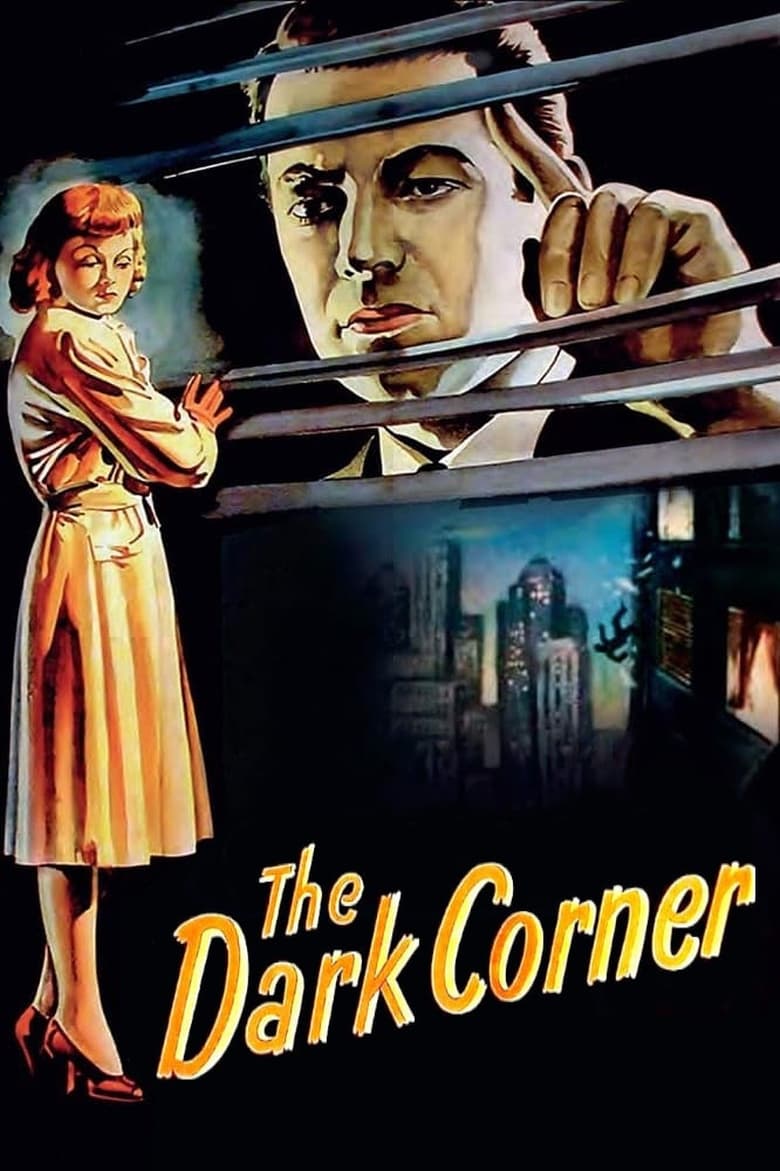
1946
NRDirector
Henry Hathaway
Runtime
99 minutes
Average Rating
No ratings yetSynopsis
Ex-con turned private investigator Bradford Galt suspects someone is following him and maybe even trying to kill him. With the assistance of his spunky secretary, Kathleen Stewart, he dives deep into a mystery in search of answers.
Overall Score
Minimal
Category Breakdown
LGBTQ+ Representation
The film follows a conventional heteronormative framework. There are no depictions of non-cisnormative identities or same-sex intimacy.
Gender Representation
Kathleen Stewart is a spunky secretary, but her role remains secondary. The narrative reinforces traditional hierarchies where the male lead drives the investigation.
Racial & Ethnic Diversity
The cast is largely homogeneous, reflecting standard 1940s studio productions. There is no evidence of significant racial blending or characters of color with high agency.
Religious & Cultural Diversity
The story adheres to post-war Western moral frameworks. It focuses on individual justice and social order rather than critiquing systemic institutions.
Disability Representation
There are no discernible depictions of physical or neurodivergent disabilities. Disability is not used as a narrative device or for character development.
Strengths
Areas for Improvement
AI Analysis
The Dark Corner is a quintessential mid-century noir that prioritizes genre suspense over social representation. It relies heavily on established archetypes and traditional power dynamics common to the era. The film functions as a closed-loop mystery that reinforces the status quo. It lacks any attempt to challenge the prevailing social or cultural hierarchies of the 1940s. Ultimately, the production adheres to standard studio-system craftsmanship, focusing on narrative tension rather than the subversion of cultural norms.
1948
1946
1946
1949
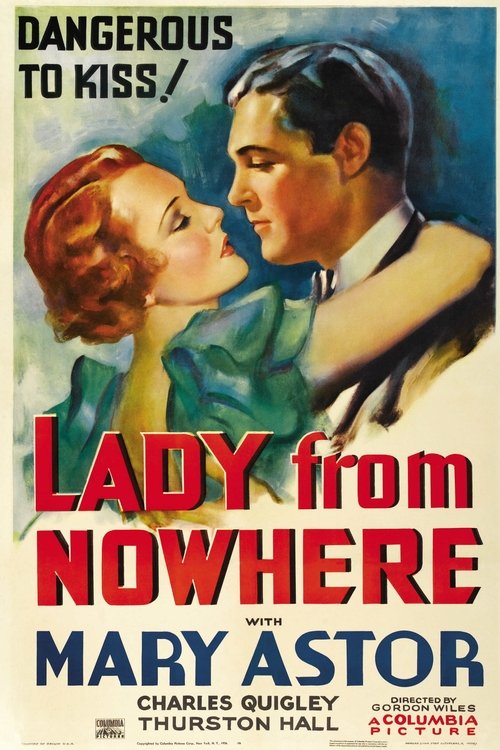
1936
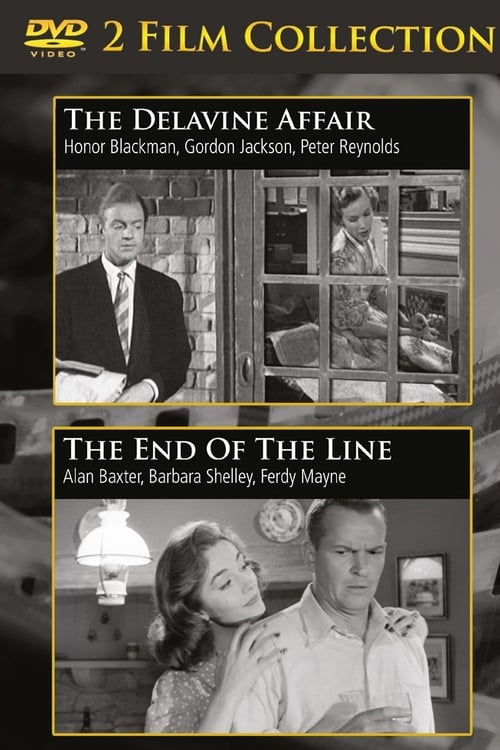
1955
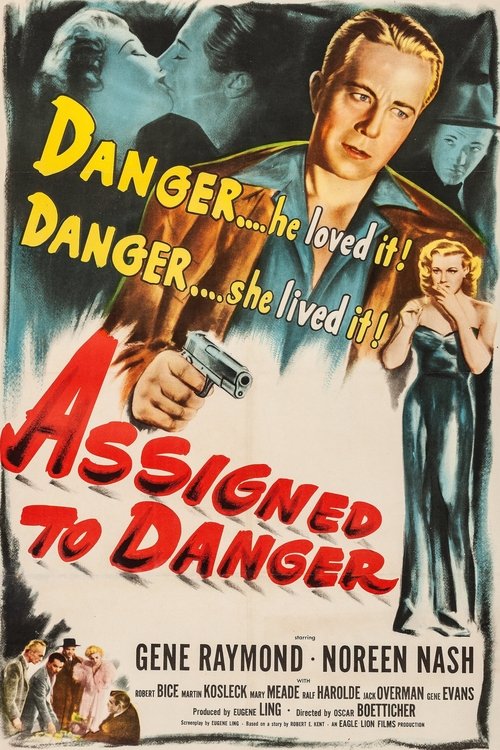
1948
1949
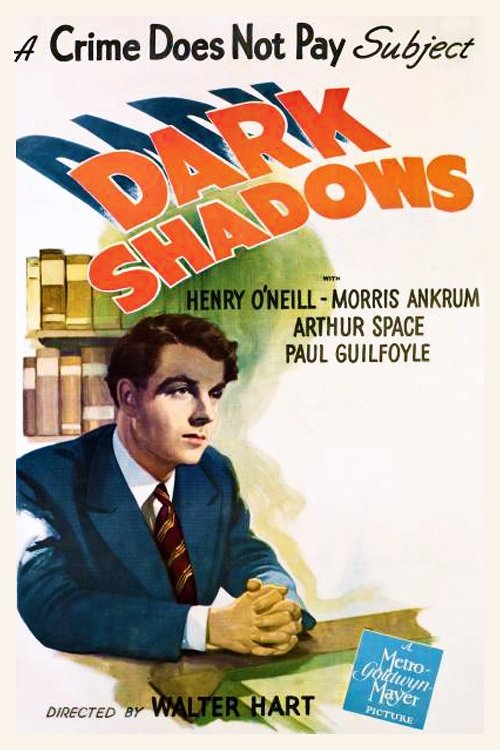
1944
1954
1946
1945
No reviews yet. Be the first to share your thoughts on this movie!
Use the rating form above to leave a star rating and optional review.